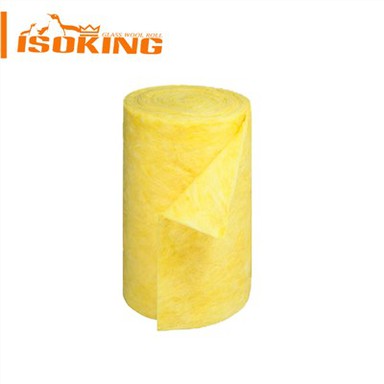
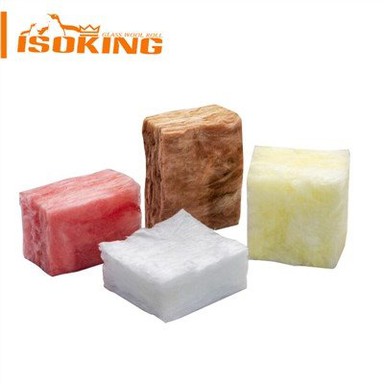
Faced Glass Wool in Rolls
Length: 1 m
Inner Diameter: 20-529mm
Thickness: 30-100mm
Density: 40-80kg/m3
- Fast Delievery
- Quality Assurance
- 24/7 Customer Service
Product Introduction
The term "faced" refers to an extra layer, usually made of kraft paper, foil, or other materials, applied to one side of the glass wool. This facing material serves multiple purposes, including vapor control, added durability, and easier handling and installation. Faced glass wool is an advanced form of fiberglass insulation, painstakingly crafted from fine glass fibers that are bound together to form a dense, flexible mat.
production process
The production process of faced glass wool in rolls involves several stages, including the preparation of raw materials, fiber formation, binder application, curing, facing application, and packaging.
Preparation of Raw Materials
- Two of the main ingredients used to make glass wool are recycled glass and silica sand, which are both carefully chosen and ready for melting.
- Additives: Tiny amounts of additional materials are added to the glass to change its characteristics, like soda ash, limestone, and borax.
Melting
- Furnace: The raw ingredients are heated to a temperature of around 1400°C (1600°F) in a high-temperature furnace.
- Glass Melt: The end product is a combination of molten glass that is prepared for fiber creation.
Fiber Formation
- The centrifugal process involves feeding molten glass into a spinner that quickly spins it through tiny holes into fine fibers.
- Air Blowing: The filaments are further attenuated and shaped into a mat of fine glass wool using high-speed air jets or steam.
Binder Application
- Binder Spray: A binder solution, often a thermosetting resin, is sprayed onto the glass fibers while they are forming. The binder gives the finished product structural rigidity and aids in the bonding of the fibers.
Forming the Mat
- Fiber Collection: A loose mat of glass wool is created by gathering the fibers, which are now coated with binder, on a moving conveyor belt.
- Layering: To obtain the appropriate thickness and density, several fiber layers may be merged.
Curing
- Curing Oven: The binder is thermally set in a curing oven through which the loose mat is run. The glass wool mat acquires its ultimate shape and firmness as a result of the binder curing and bonding the fibers together under the heat.
- Temperature Control: To guarantee adequate bonding without causing damage to the fibers, the curing temperature is meticulously regulated.

Testing
Glass wool in rolls, commonly used for thermal and acoustic insulation, must undergo a series of rigorous tests to ensure it meets safety, performance, and quality standards.
Testing for thermal conductivity:
- The goal is to gauge the material's heat-conductive capacity.
- Standards: ISO 8301, ASTM C518.
- Method: To find the glass wool's thermal resistance (R-value) and thermal conductivity (λ-value), use a heat flow meter or a guarded hot plate.
Testing Acoustic Performance:
- Assessing the qualities of sound insulation and absorption is the goal.
- Standards: ISO 354; ASTM C423.
- Method: Reverberation chambers and impedance tubes are used to measure the noise reduction coefficient (NRC) and the sound transmission class (STC).
Testing for Fire Resistance:
- The purpose is to assess how the material behaves in a fire.
- Standards: EN 13501-1, ASTM E84.
- Method: Using techniques similar to the Steiner tunnel test, tests are performed to determine surface burning properties, flame spread, and smoke generation.
Testing of Mechanical Properties:
- The goal is to ascertain the material's structural integrity and physical durability.
- Standards: ISO 29469, ASTM C165.
- Method: Applying varied mechanical loads to test for flexibility, tensile strength, and compressive strength.
Testing for Moisture Absorption and Resistance:
- The purpose of the measurement is to determine how the material behaves when wet and whether mold can grow on it.
- Standards: EN 12087, ASTM C1104/C1104M.
- Method: Determine the proportion of moisture absorption by exposing the glass wool to humid circumstances.
Testing for Dimensional Stability:
- The goal is to make sure the material keeps its size and shape in a variety of environmental situations.
- ISO 29470 is the standard.
- Method: Measuring any changes in dimensions while exposing the glass wool to cycles of temperature and humidity.
Testing for Chemical Resistance:
- The goal is to ascertain the material's resistance to any chemicals that it may come into contact with during installation or use.
- Standards: ISO 8990, ASTM C795.
- Method: Samples are exposed to different chemicals, and any resulting chemical or physical changes are evaluated.
Testing for Emissions:
- Measuring the discharge of potentially hazardous substances and volatile organic compounds (VOCs) is the goal.
- Standards: ISO 16000-9, ASTM D5116.
- Method: To identify and measure emissions, air samples from a controlled environment containing glass wool are analyzed.

characteristics
Faced glass wool in rolls is a popular insulation material known for its versatility, efficiency, and ease of installation.
Thermal Insulation Properties
- Low Thermal Conductivity: The air is trapped by the thin glass fibers, which lessens the flow of heat and keeps the inside temperature constant.
- Energy Efficiency: The provision of an adequate thermal barrier lowers heating and cooling expenses and contributes to energy savings.
Acoustic Insulation Properties
- Sound Absorption: Noise transmission between rooms and from outside sources is decreased by the dense, fibrous structure's effective absorption of sound waves.
- Increased Acoustic Comfort: Perfect for soundproofing applications like homes, businesses, and studios.
Fire Resistance
- Made from glass fibers, which are naturally non-combustible, this product adds an extra degree of safety to buildings.
- Fire safety: Assists in containing flames and increases the structure's overall resistance to fire.
Moisture and Vapor Control
- Faced Material: The facing, which is frequently formed of foil, plastic film, or kraft paper, aids in moisture management and deters condensation.
- Mold and Mildew Prevention: Prevents the growth of mold and mildew by keeping the insulation's interior dry.
Durability and Handling
- Strength: The facing increases the insulation's robustness and resistance to tearing during installation by adding durability.
- Simple Installation: Even in confined or uneven areas, it is simple to handle, cut, and install thanks to the roll format and facing material.
Versatility
- Application Flexibility: Adaptable to a variety of surfaces, such as roofs, attics, floors, walls, and ceilings.
- Versatile for usage in residences, workplaces, schools, hospitals, factories, and other structures; suitable for residential, commercial, and industrial applications.

How to identify the quality of faced glass wool in rolls
The process of determining the quality of facing glass wool in rolls entails assessing a number of crucial elements that affect the material's overall performance and appropriateness for particular insulating uses.
Thermal Resistance (R-Value)
Definition: The resistance of a material to heat flow is measured by its R-value. Better thermal insulation performance is indicated by higher R-values.
Verify the Label: Check the R-value that is listed on the product's package or label. Make sure it satisfies the specifications for the specific use you have in mind (e.g., walls, ceilings, floors).
Density and Thickness
Density: Greater densities typically translate into more durable and effective insulation. Additionally, it helps to improve acoustic insulation.
Thickness: The glass wool's thickness has to be constant and adhere to the manufacturer's recommendations.
Verification: Measure the thickness with a caliper or ruler and compare the result to the manufacturer's claimed value.
Uniformity of Fibers
Consistency: The roll's glass fibers have to be evenly spaced apart. Inadequate insulating performance might result from unequal distribution.
Visually examine the roll to ensure that the density and dispersion of fibers are consistent.
Quality of the Facing Material
Material Type: Kraft paper, aluminum foil, or plastic film are all options for the face material. Make sure it fits your unique requirements, such as vapor control or moisture resistance.
Adhesion: There shouldn't be any spaces, bubbles, or spots where the facing is peeling off; instead, it should be firmly adhered to the glass wool.
Examine the face material for any tears, punctures, or other flaws.
Our Factory
in one-stop service
IKING GROUP was founded in 1995 and has 120,000 square meters of production space. It is a reputable Chinese producer and supplier of rubber foam insulation products, glass wool, rock wool, and ceramic fiber wool. The company has 8 manufacturing lines for rock mineral wool insulation materials, 10 production lines for rubber foam insulation materials, 16 production lines for ceramic wool insulation materials, and 13 production lines for glass wool insulation materials after more than 25 years of development. At present, we collaborate with over 130 nations and possess four proprietary brands: ISOKING, FIRSTFLEX, PERFECTWOOL, and KINGWOOL. Our global popularity stems from our cheap rates and superior quality items.One of the biggest seaports in northern China, Tianjin City, is home to our headquarters and offers a favorable external environment for the growth of our business. Currently, Tianjin, Langfang, Shijiazhuang, and other places have joint-stock industries.

Certifications


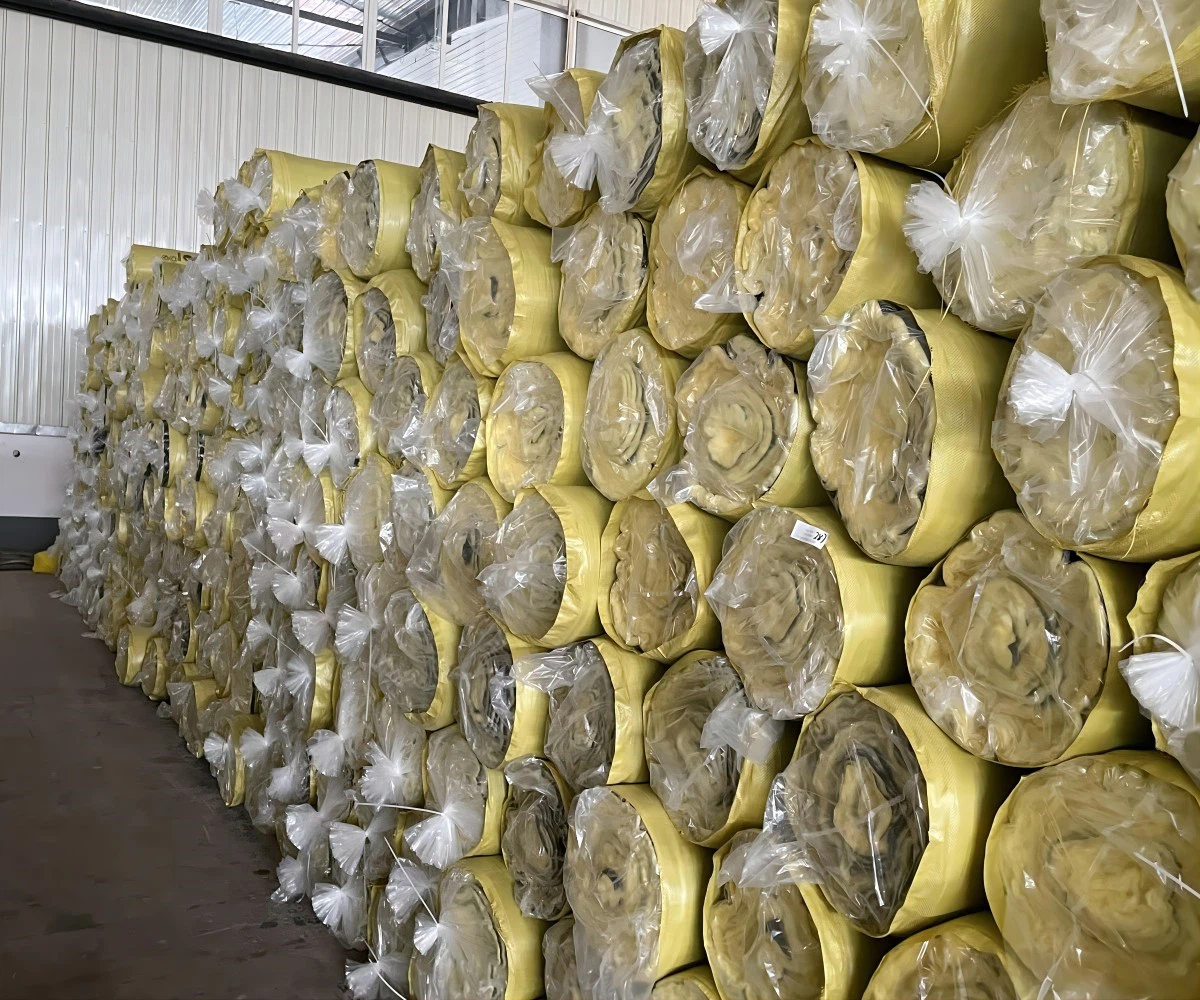
packing