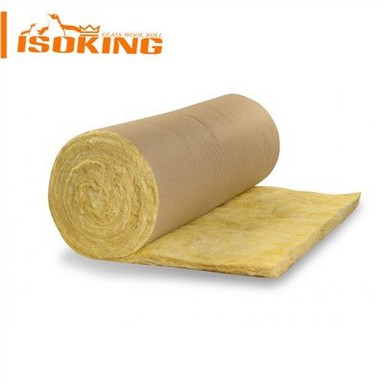
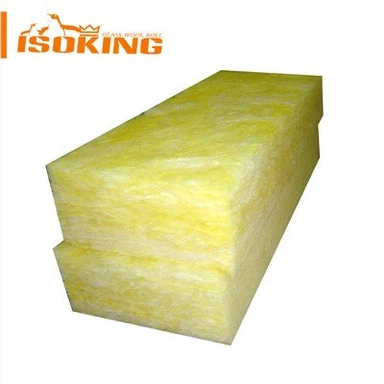
Resin Bonded Glass Wool
Width: 1.200m ( 0.4m,0.6m,1.150m are also available)
Length: 5-30m.
Thickness: 25-200mm
Density: 10-50kg/m3
Facing: None, Alum Foil, Kraft, Black Glass Tissue(BGT)
- Fast Delievery
- Quality Assurance
- 24/7 Customer Service
Product Introduction
Resin-bonded glass wool is made through a detailed and meticulous manufacturing process that transforms raw materials into efficient, versatile insulation products. The process exploits the physical properties of glass and the chemical properties of the bonding resin to produce insulation that is effective, durable and suitable for a wide range of applications.
Production Process
Raw materials and ingredients
The first step involves gathering and preparing raw materials. The main ingredient is silica sand, combined with other materials such as soda ash, limestone and recycled glass. The ingredients are carefully measured and mixed to ensure consistency and high quality of the final product.
Melt
The batch of material is then transferred to a furnace where it is heated to temperatures in excess of 1,500°C. This intense heat melts the mixture, turning it into a homogeneous molten glass.
Fibrosis
Next, the molten glass is processed through a fiberizer. This can be accomplished through a centrifugal spinning process, in which molten glass is forced through small holes in a rapidly rotating disk or cylinder, forming tiny fiber bundles. Alternatively, a blowing process can be used, in which high-pressure air or steam is used to blow molten glass through a fine nozzle to achieve similar fiber results. As the fibers are spun or blown, they are simultaneously sprayed with a resin binder, which will help the fibers stick together after cooling.
Form wool pad
The resin-coated fiber bundles are then collected onto a conveyor belt or forming chamber and laid out in a random but controlled pattern to form the mat. The thickness of the mat can be adjusted based on the desired density and R-value (thermal resistance) of the final product.
Cure
The resin-coated fiberglass mat is then passed through an oven. Here, heat is applied to cure the resin, a process that hardens it and permanently bonds the fibers together. The curing process not only solidifies the structure of glass wool but also gives it its final properties, including shape, density and heat resistance.
Cutting and packaging
Once cured, bonded glass wool mats can be cut into rolls, batts, or other shapes depending on the intended use. The final product is then compressed (if necessary), packaged, and labeled for distribution.


glass wool sound proof Testing
1.Why is glass wool soundproof?
Glass wool is an effective soundproofing material primarily due to its structure and material properties that contribute to its ability to absorb and dampen sound. Here's a detailed explanation of why glass wool is effective in soundproofing:
- Porous Structure: Glass wool is made up of a network of intertwined fibers with a high number of interconnected pores. This structure allows sound waves to penetrate the material rather than being reflected. When sound waves enter glass wool, they encounter the fibers and pores, which disrupt and absorb the sound energy.
- Energy Dissipation: As sound waves travel through the dense fibrous structure of glass wool, the energy of the sound waves is converted into a small amount of heat. This conversion happens because the sound waves cause the fibers to vibrate, and the friction between the fibers and the air dissipates the sound energy as heat. This process significantly reduces the intensity of the sound waves.
- Density and Thickness: The effectiveness of glass wool in soundproofing also depends on its density and thickness. Thicker and denser glass wool can absorb lower frequencies of sound more effectively, which are typically harder to block. This makes it suitable for a wide range of applications, from industrial to residential.
- Acoustic Impedance Mismatch: Glass wool provides a mismatch of acoustic impedance between the air and the material itself. Acoustic impedance is a measure of how much resistance an area offers to the transmission of sound through it. The impedance mismatch helps in reducing the amount of sound that can pass through by reflecting some of the sound energy at the interface and absorbing the rest within the material.
- Damping: Glass wool not only absorbs sound but also dampens vibrations. This prevents sound waves from transmitting through structures like walls, floors, and ceilings, further reducing the ability of sound to travel through these elements.
These properties make glass wool an ideal material for reducing noise pollution and improving acoustic comfort in various environments, from recording studios and theaters to offices and homes. Its effectiveness in soundproofing, coupled with thermal insulation properties, makes it a popular choice in building construction and renovations.

2.How to test whether glass wool is soundproof?
Testing the soundproofing capabilities of glass wool involves measuring how well it can absorb or block sound. The effectiveness of glass wool in sound insulation can be quantified in a laboratory setting using several specific methods. Here's a detailed look at how these tests are typically conducted:
1. Sound Absorption Test
This test measures how much sound is absorbed by the glass wool rather than being reflected back into the environment. The key metric derived from this test is the Noise Reduction Coefficient (NRC), which ranges from 0 (no absorption) to 1 (complete absorption).
Testing Method:
Reverberation Room Method: This is one of the common methods where the glass wool sample is placed in a reverberation chamber. The reverberation time (the time it takes for sound to decay by 60 decibels) is measured both with and without the sample in the chamber. A shorter reverberation time with the sample indicates higher sound absorption.
2. Sound Transmission Class (STC) Test
STC measures how well glass wool can block sound from passing through it. This is particularly relevant for assessing the effectiveness of glass wool as a soundproofing material in walls, ceilings, and floors.
Testing Method:
Laboratory Measurement: The glass wool is installed in a test fixture between two highly isolated rooms. Sound is generated in one room (source room) and the level of sound is measured in both the source room and the receiving room. The difference in sound levels, adjusted for the reverberation characteristics of the receiving room and the area of the test specimen, gives the STC rating.
3. Field Sound Transmission Test
Similar to the STC test but performed on-site, this test evaluates the sound insulation performance of glass wool in an actual installation rather than under controlled laboratory conditions.
Testing Method:
Field Sound Transmission Class (FSTC): Measurements are taken in actual rooms rather than test labs. It considers the real-world factors affecting sound transmission, such as flanking paths (where sound bypasses a sound barrier via adjoining structures).
4. Impact Insulation Class (IIC) Test
This test measures the ability of glass wool to reduce impact noise transmission through a floor/ceiling assembly (useful for multi-story buildings).
Testing Method:
Lab Testing: An impact sound (like footsteps or dropped objects) is generated on a floor assembly containing the glass wool. Below the floor, in a controlled environment, sound levels are measured. The IIC rating is calculated based on the sound levels measured below the floor compared to the baseline levels.
Equipment Used
Sound Level Meters: To measure the decibel levels in different tests.
Reverberation Time Meters: To assess how long it takes for a sound to decay.
Omnidirectional Speakers and Microphones: Used to generate and measure sound across different frequencies.
These tests provide comprehensive data on the soundproofing properties of glass wool, enabling manufacturers and builders to verify its effectiveness for various applications. By obtaining these metrics, one can ensure that the glass wool meets the required standards for building codes or specific noise reduction needs in commercial and residential environments.
Feature
Fire Resistance
Resin-bonded glass wool stands out for its superior fire resistance capabilities, making it an excellent choice for enhancing building safety. Composed from non-combustible materials, this insulation type does not ignite easily and plays a pivotal role in slowing the spread of flames. In the unfortunate event of a fire, it exhibits a minimal smoke production. This is crucial, as high levels of smoke can impede evacuation efforts and are often more dangerous than the flames themselves. Glass wool's ability to resist fire provides additional time for emergency response and evacuation, significantly reducing the risk to life and property. Its fire-resistant properties also help in maintaining the structural integrity of the building during fires, preventing the collapse of fire-affected areas and thereby mitigating potential losses.
Lightweight Nature
Glass wool insulation is renowned not only for its effective thermal properties but also for its surprisingly lightweight nature. This quality makes glass wool exceptionally easy to handle, transport, and install, reducing labor and equipment needs during construction. Its light weight also means that it imposes minimal structural load on buildings. This is particularly advantageous in large-scale or high-rise projects where weight can significantly impact structural calculations and construction techniques. Additionally, the ease of installation helps in reducing the overall time and cost associated with building projects, making glass wool a cost-effective choice for both residential and commercial construction.
Chemical Stability
One of the lesser-discussed but equally important advantages of resin-bonded glass wool is its chemical stability. This material is inert, meaning it does not react with the majority of chemicals. This non-reactive nature makes it ideal for use in environments where exposure to harsh chemicals is common, such as in industrial settings or in applications involving corrosive substances. The chemical stability of glass wool ensures that it does not degrade or lose its insulative properties over time due to chemical exposure, which is a critical consideration in selecting materials for long-term durability and performance.

Advantages
- Fire resistance: Resin-bonded glass wool is non-flammable and can withstand high temperatures without catching fire, enhancing the fire safety of buildings.
- Lightweight and easy to handle: Its lightweight nature makes it easy to transport, handle and install, reducing construction time and costs.
- Environmentally Friendly: Made from recycled materials, glass wool is an environmentally sustainable option. Its thermal efficiency also helps reduce energy consumption and carbon emissions.

Application
Building insulation
Exterior walls: Improve thermal efficiency and sound insulation in residential and commercial buildings.
Interior Partitions: Enhance sound insulation between rooms or office spaces.
Attics and lofts: Reduce heat loss from the roof, significantly increasing the energy efficiency of your building.
Basements and crawl spaces: Provides insulation and helps control humidity.
Flooring: Provides sound insulation between floors in multi-story buildings and thermal insulation over unheated spaces.
HVAC system
Duct Insulation: Reduces heat loss or gain in air conditioning and heating ducts, improving energy efficiency and comfort.
Pipe Insulation: Minimizes heat loss or heat gain in hot and cold pipes, saving energy and preventing freezing.
Industrial applications
Boilers and Furnaces: Thermal insulation of industrial boilers and furnaces improves efficiency and worker safety by controlling surface temperatures.
Process Equipment: Thermal insulation of tanks, vessels, and other process equipment to maintain process temperatures and protect personnel.
Sound Insulation: In environments where mechanical noise is an issue, glass wool can be used to reduce noise levels and improve working conditions.
Why does glass fiber expand at high temperatures
The statement that fiberglass thickness may expand due to exposure to heat in the range of 45-100 degrees Celsius refers to the thermal expansion properties of the materials involved in fiberglass composites. To understand why and how this happens, it is necessary to delve into the properties of fiberglass and the principles of thermal expansion.
Fiberglass components
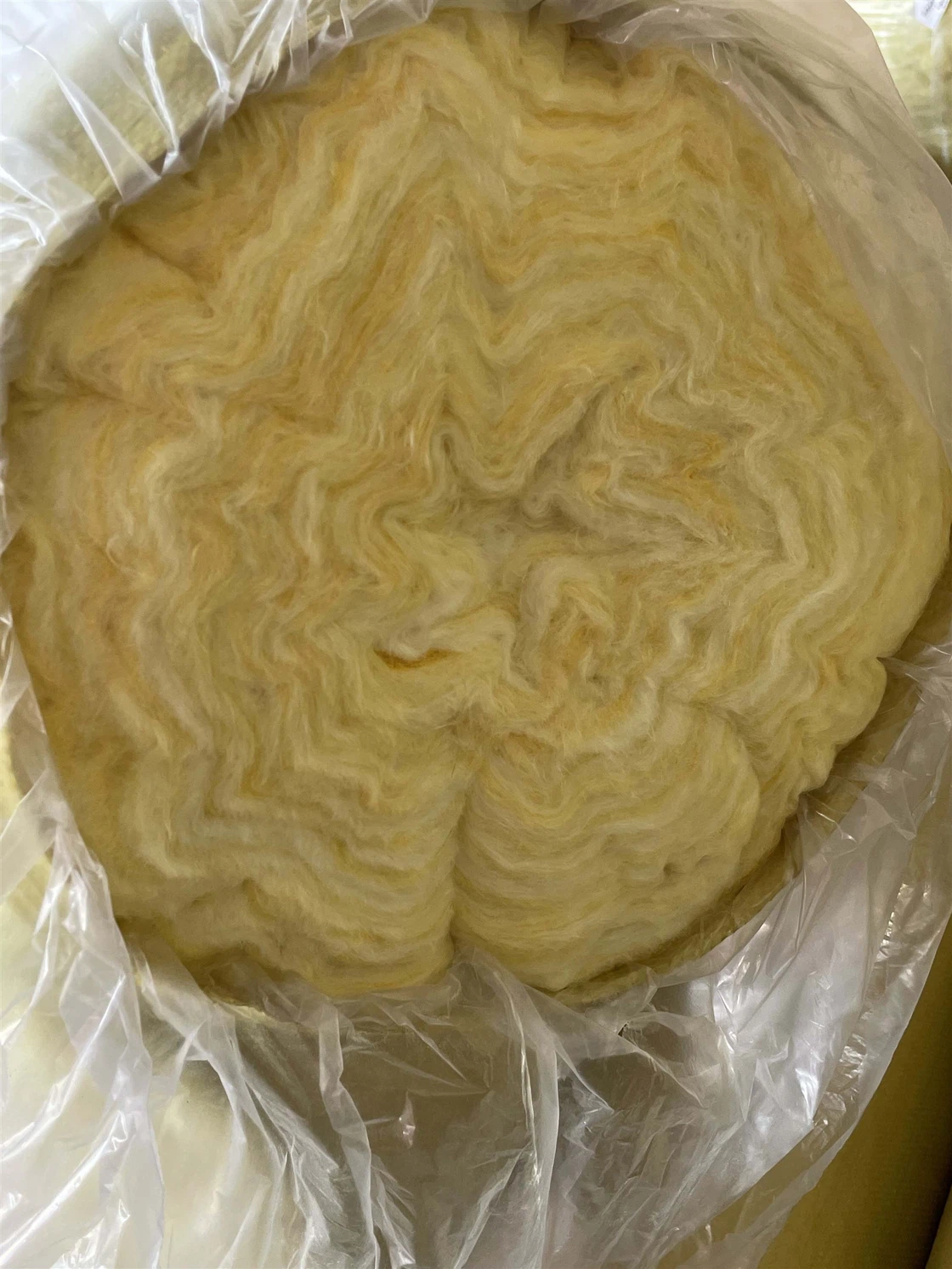
Fiberglass is a composite material made of extremely fine glass fibers. These fiberglass fibers are often woven into fabrics and then combined with various types of resins to form a strong and durable material that has a wide range of applications, from boat hulls and car bodies to insulation.
Thermal expansion
Thermal expansion is a physical property of a material that describes how its dimensions, including thickness, length, and width, change when it experiences temperature changes. Most materials expand when heated and shrink when cooled, but the rates of expansion or contraction vary widely between materials.
The expansion mechanism of glass fiber
- Fiberglass expansion: Fiberglass itself can expand with heat. Glass is known for its relatively low coefficient of thermal expansion compared to metals, but it can still expand when heated within a certain temperature range. Assuming even heat distribution, the degree of expansion is usually small and uniform.
- Resin Expansion: The resin matrix to which the fiberglass is bonded is generally more susceptible to thermal expansion than the fiberglass itself. Resins are organic polymers and their thermal expansion coefficients are generally higher than those of glass. When heated, the resin matrix expands to a greater extent than fiberglass. This difference in expansion rates results in an increase in the overall thickness of the fiberglass material.
- Moisture Absorption and Evaporation: Fiberglass materials can absorb moisture from the environment. When heated, any moisture remaining within fiberglass will expand or turn into vapor, putting pressure on the fiberglass structure and possibly causing expansion, especially in thicknesses where there may be more room for such expansion to occur without causing damage.
- Thermal Stress: The difference in thermal expansion rates between fiberglass and resin can introduce stress within the material. These stresses may result in microcracks or other structural changes that may not directly equate to "swelling" in the classical sense, but may result in increases in volume or changes in dimensions (including thickness).
Practical impact
Understanding the thermal expansion behavior of glass fibers is critical in applications where precise dimensions are required or where the material withstands a wide temperature range. For example, in aerospace, automotive or marine applications, designers must consider the thermal expansion properties of fiberglass composites to ensure structural integrity and performance under varying temperature conditions.
our Factory
in one-stop service
Established in 1995, IKING GROUP has grown into a premier manufacturer and exporter of insulation materials, including glass wool, rock wool, ceramic fiber wool, and rubber foam. Based in China, the company boasts a substantial factory footprint of 120,000 square meters. Over the past 25+ years, IKING GROUP has expanded its production capabilities significantly, now operating 13 production lines for glass wool, 8 for rock wool, 10 for rubber foam, and 16 for ceramic wool insulation materials.
Our products, which are marketed under our own brands-ISOKING, FIRSTFLEX, PERFECTWOOL, and KINGWOOL-serve customers in over 130 countries, attesting to our global reach and the high quality of our offerings. Competitive pricing combined with consistent product excellence has cemented our popularity worldwide.
IKING GROUP is headquartered in Tianjin City, one of northern China's largest seaports, which enhances our logistical operations and supports our company's growth. Additionally, we maintain joint-stock factories in various strategic locations including Tianjin, Langfang, and Shijiazhuang, further bolstering our production and distribution capabilities.

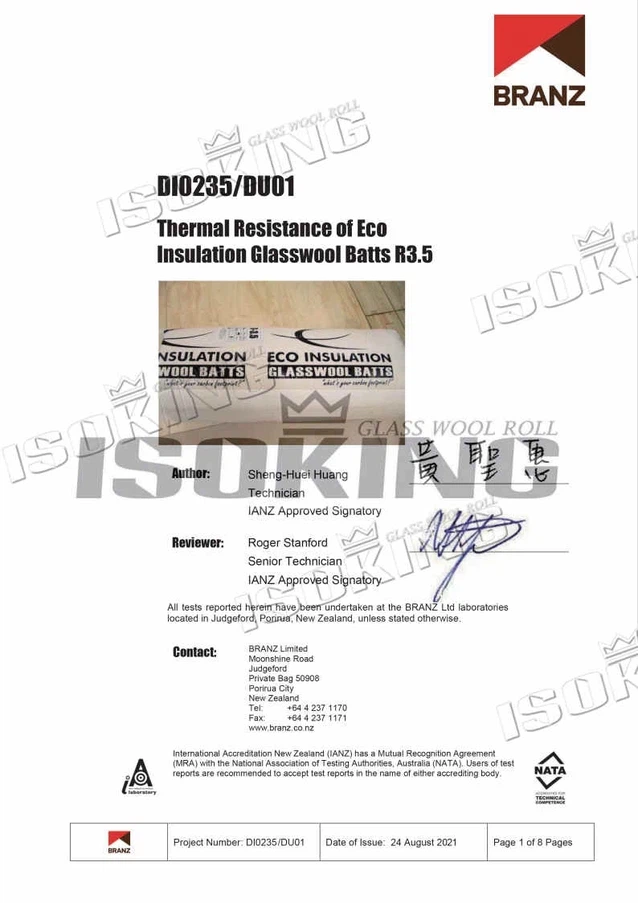
Certifications

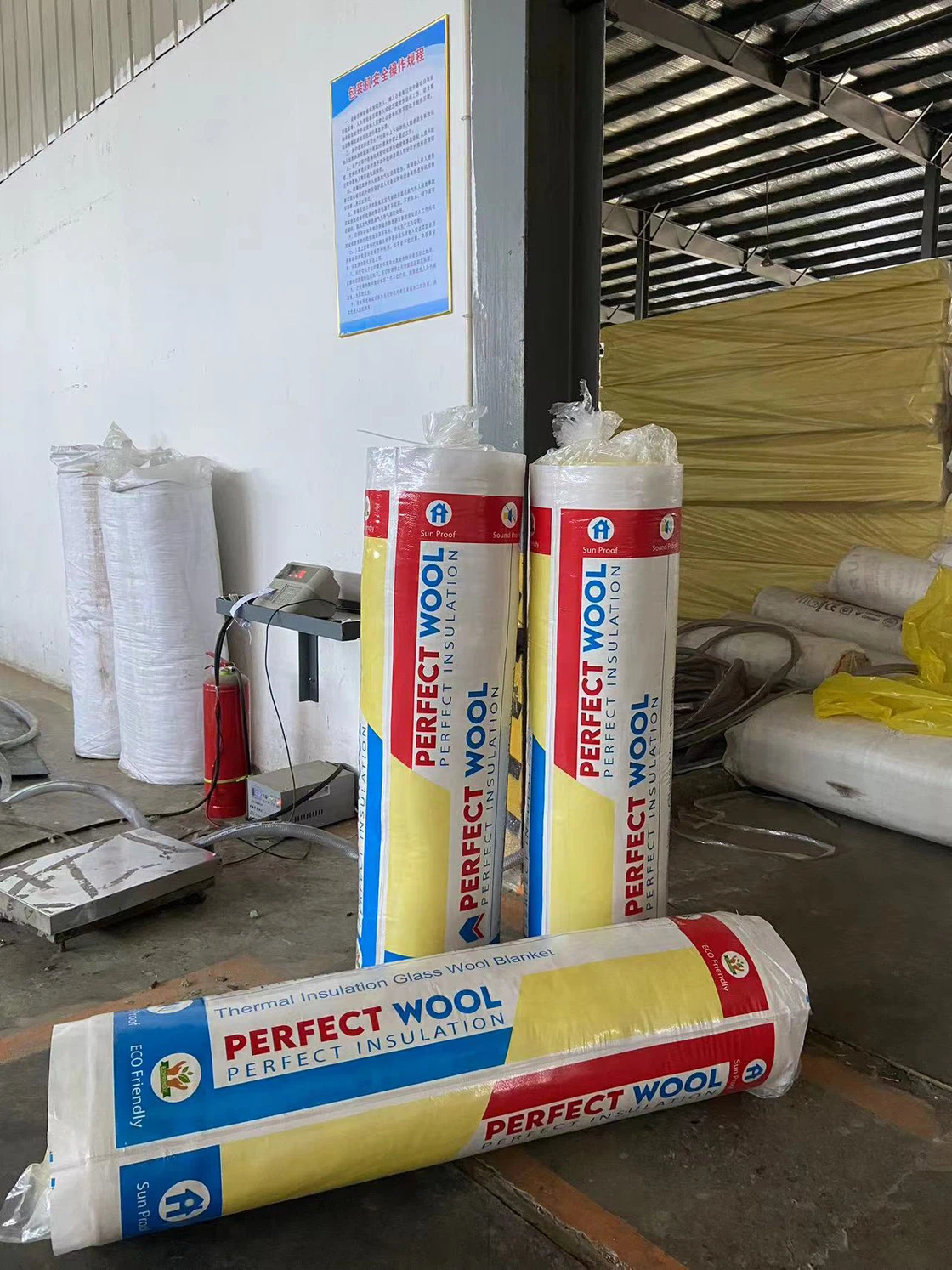
Packing

FAQ

01.Are you a manufacturer or a trading company ?
02.Can you accept neutral packing & OEM ?
03.Can you provide the sample for free ?
04.What's the lead time?