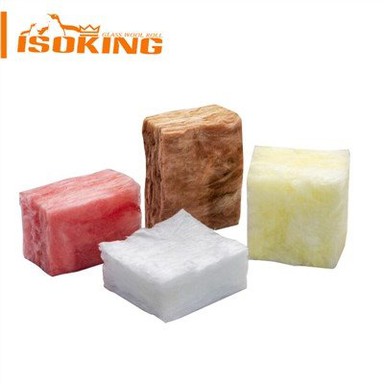
Acoustic Glass Wool Insulation
Width: 0.6m-1.2m.
Length: 0.6-2.4m
Thickness: 25-100mm
Density: 24-96kg/m3
Facing: FSK, Kraft, BGT
- Fast Delievery
- Quality Assurance
- 24/7 Customer Service
Product Introduction
Acoustic glass wool insulation is a cutting-edge material designed to mitigate unwanted noise and improve acoustic comfort in any space. Made from fine fiberglass, this insulation has a powerful combination of sound-absorbing and thermal insulation properties, ensuring not only tranquility but also energy efficiency.

Features
Sound absorption
One of the key features of acoustic glass wool insulation is its excellent sound absorption capabilities. The material's fibrous structure dissipates sound energy, reducing reverberation and echo, and effectively reduces the transmission of noise through walls, ceilings and floors.
Thermal insulation
In addition to its acoustic properties, glass wool is an excellent thermal insulator. The fibers trap air inside, reducing the flow of heat in and out of the space. This helps keep indoor temperatures consistent and reduces reliance on heating and cooling systems, saving energy and costs.
Fire resistance
IGlass wool insulation is inherently fire-resistant. It does not act as a fuel source and can withstand high temperatures, slowing the spread of flames in the event of a fire. This makes it a safe choice for a variety of applications.
Moisture resistance
Although not waterproof, glass wool insulation is moisture-resistant, meaning it is less likely to absorb water. This property prevents deterioration in its insulating properties and reduces the risk of mold growth, helping to create a healthier indoor environment.
Light and flexible
The material is lightweight and easy to transport and handle during installation. Its flexibility allows it to fit snugly between studs, joists and around irregular spaces without compromising its performance, ensuring thorough coverage and insulation.
Environmental sustainability
Acoustic glass wool insulation is typically made from recycled glass and sand, a sustainable resource. This, together with its durability and contribution to energy efficiency, underlines its environmentally friendly image.
Chemical stability
It is chemically inert, meaning it will not corrode or react with other materials. This stability ensures that it does not degrade over time, providing long-lasting insulating properties.
Easy to install
The material can be cut to fit a variety of spaces and is generally easy to install. However, protective gear should be worn during installation to avoid irritation from fine fibers.
Cost-effectiveness
Due to its durability, performance and the fact that it can be produced from abundant or recycled materials, glass wool insulation is a cost-effective solution for soundproofing and thermal insulation needs.
Advantage
Enhanced comfort and well-being
By creating a tranquil acoustic environment, this insulation creates a sense of tranquility, promoting relaxation, concentration and an overall sense of well-being. Enjoy greater comfort and productivity in your living or work space without unnecessary noise disruption.

Energy Efficiency
In addition to its acoustic benefits, acoustic glass wool insulation can act as a thermal barrier, minimizing heat transfer and increasing energy efficiency. Maintain consistent temperatures year-round, lower heating and cooling costs, and reduce environmental impact.

Durable And Sustainable
Made from recycled glass materials, acoustic glass wool insulation not only provides superior performance but also aligns with eco-conscious values. Its durable construction ensures longevity, providing long-lasting acoustic comfort while minimizing environmental impact.
Product Specifications
|
Model |
Density (Kg/m3) |
Thickness (mm) |
Width (mm) |
Length (mm) |
|
IK-GWB24 |
24 |
50 |
600 |
1200 |
|
100 |
||||
|
IK-GWB32 |
32 |
30 |
600 |
1200 |
|
50 |
||||
|
100 |
||||
|
IK-GWB16 |
48 |
25 |
600 |
1200 |
|
50 |
||||
|
100 |
||||
|
IK-GWB24 |
64 |
25 |
600 |
1200 |
|
50 |
||||
|
IK-GWB32 |
80 |
25 |
600 |
1200 |
|
50 |
Technical Parameters
|
Item |
Unit |
Index |
Measured value |
Remarks |
|
Bulk density |
kg/m3 |
70-96 |
10-96 |
GB/T 13350-2000 |
|
Average diameter of fibers |
m |
< 8.0 |
4.0-6.0 |
GB/T 13350-2000 |
|
Moisture resistivity |
% |
> 98 |
> 98.5 |
JISA9512-2000 |
|
Thermal conductivity |
W/m.k |
0.049-0.042 |
0.045-0.032 |
GB/T 13350-2000 |
|
Incombustibility |
Incombustible |
Up to standard (Grade A) |
GB/T 13350-2000 |
|
|
Sound absorption coefficient |
1.03product reverberation positioning 24kg/m3 2000HZ |
GB/J47-83 |
||
|
Max. working temperature |
400 |
410 |
GB/T 13350-2000 |
Why does glass wool expand at high temperatures?
Fiberglass is a common composite material consisting primarily of fine glass fibers woven into a fabric and bonded together with resin. When exposed to high temperatures, especially temperatures between 45 and 100 degrees Celsius, fiberglass expands for several basic reasons:
Thermal expansion of fiberglass: Fiberglass, like most materials, expands when heated. This expansion is due to an increase in the kinetic energy of the molecules within the glass, causing them to vibrate more vigorously and take up more space. Although glass is generally considered a poor thermal expander compared to metals, it still exhibits significant expansion when subjected to significant temperature changes.
Thermal expansion of the resin matrix: The resin matrix bonded to glass fibers is more significantly affected by heat. Most resin types, such as polyester or epoxy, will expand more than the fiberglass itself because organic polymers generally have a higher coefficient of thermal expansion. The difference in expansion rates between resin and fiberglass affects the overall expansion behavior of the composite.

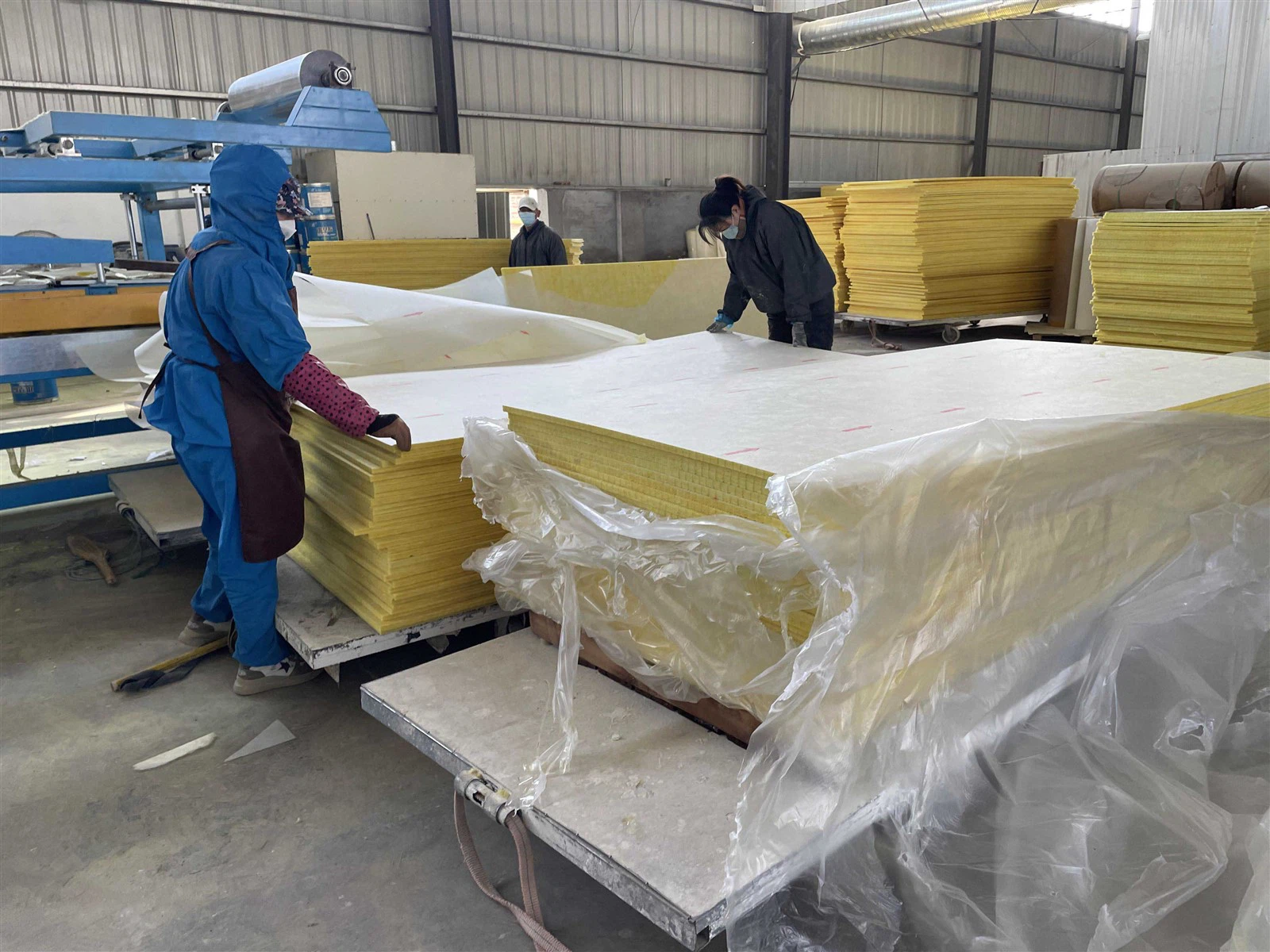
our factory
in one-stop service
IKING GROUP was founded in 1995 and has since developed into one of the leading producers and exporters of insulating products, such as rubber foam, glass wool, rock wool, and ceramic fiber wool. The corporation, which is based in China, has a sizable 120,000 square meter plant. IKING GROUP has considerably increased its production capacity over the previous 25+ years; at present, it runs 13 manufacturing lines for glass wool, 8 for rock wool, 10 for rubber foam, and 16 for ceramic wool insulation materials.
Customers in more than 130 countries have purchased our products, which are sold under our own brands, ISOKING, FIRSTFLEX, PERFECTWOOL, and KINGWOOL. This attests to both the excellent caliber of our products and our worldwide reach. Our global renown has been solidified by our consistently excellent products at competitive prices.

Certifications


packing