


What is glass wool pipe ?
Glass wool pipe is an insulating material made of fiberglass that is formed into a cylindrical shape to insulate pipes. It is commonly used to reduce heat loss in heating, ventilation, and air conditioning (HVAC) systems and industrial piping. Fiberglass traps air, providing excellent insulation against heat, cold and sound. Glass wool tubes are lightweight, fire-resistant, and moisture-resistant, making them suitable for a variety of applications requiring thermal and sound insulation.
-
![Glass Wool Tube]()
Length: 1 m
Inner Diameter: 20-529mm
Thickness: 30-100mm
Density: 40-80kg/m3Add to Inquiry -
![Glass Wool Insulation Pipes]()
Length: 1 m
Inner Diameter: 20-529mm
Thickness: 30-100mm
Density: 40-80kg/m3Add to Inquiry -
![Glass Wool Pipe Insulation]()
Length: 1 m
Inner Diameter: 20-529mm
Thickness: 30-100mm
Density: 40-80kg/m3Add to Inquiry


Features
1. Thermal Insulation
- Specific Aspects: Low Thermal Conductivity
- Reflection: The primary function of glass wool pipe is to provide thermal insulation, preventing heat loss or gain in the duct system. The fibers trap air, which is a poor conductor of heat, reducing heat transfer. This makes glass wool pipe ideal for hot or cold duct systems, such as HVAC systems or industrial processes, helping to maintain the desired temperature of the fluid within the duct.
2. Sound Insulation
- Specific Aspects: Noise Absorption
- Reflection: The porous structure of glass wool absorbs sound waves, making it an effective material for reducing noise levels in systems where vibration and noise are common, such as industrial facilities or HVAC systems. It helps minimize operating noise by dampening the sound that travels through the duct.
3. Fireproofing
- Specific Features: High Melting Point, Non-Flammable
- Reflection: Glass wool is inherently non-flammable due to its high melting point (approximately 1,000°C or 1,832°F). This property reflects its fireproofing capabilities, preventing flames from spreading through insulated ducts in the event of a fire. It complies with fire safety regulations, ensuring the safety of facilities in industrial and commercial environments.
4. Moisture resistance
- Specific aspects: Waterproofing and resistance to water vapor absorption
- Reflection: Glass wool pipe is usually treated with water-repellent to ensure that it does not absorb moisture from the surrounding environment. This is critical in applications where condensation may cause corrosion of the pipe or degradation of insulation performance. Its moisture resistance ensures the longevity of the insulation layer and the pipe itself, especially in damp or humid environments.
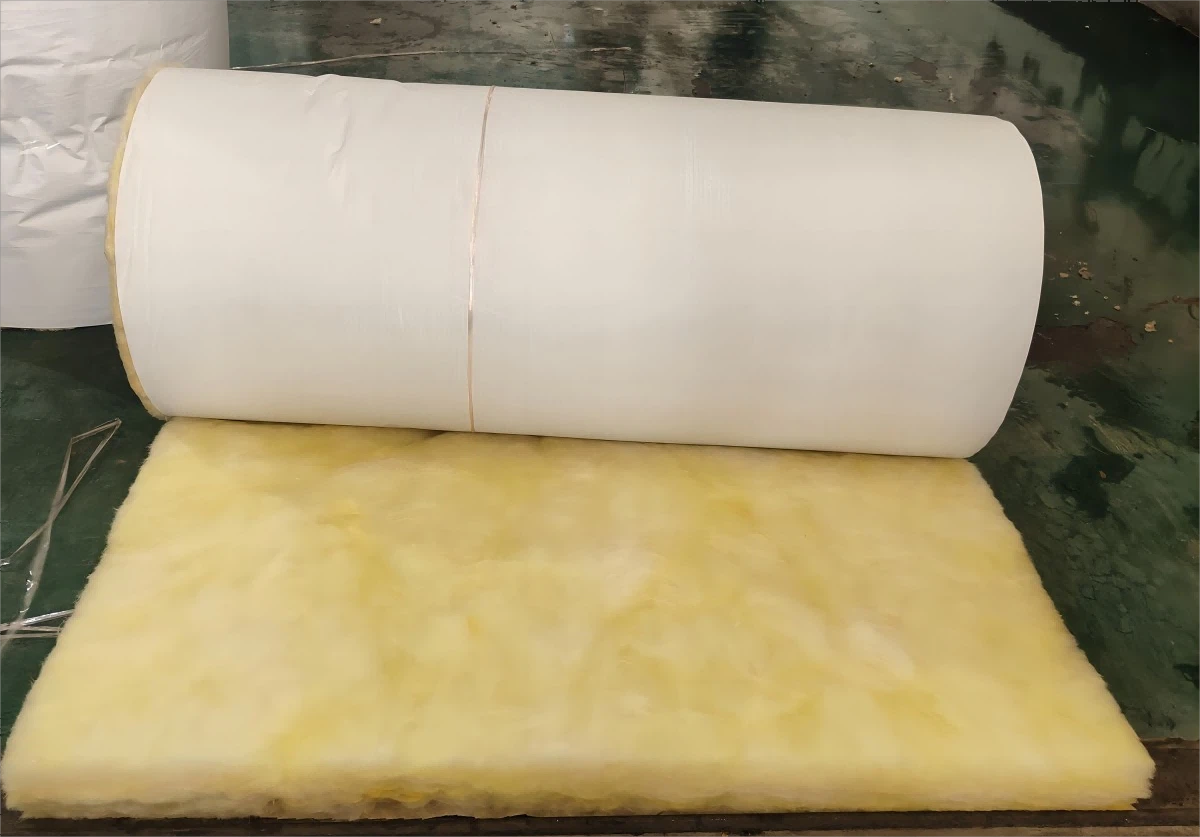
5. Lightweight and easy to handle
- Specific aspects: Low density and flexible form
- Reflection: Glass wool pipe is lightweight and easy to transport and install. The flexibility of this material allows it to be cut and shaped to fit pipes of various diameters and configurations, reducing installation time and labor costs. This feature is reflected in its widespread use in large industrial projects and small commercial or residential installations.
6. Durability and mechanical strength
- Specific aspects: Resistance to compression and handling
- Reflection: Glass wool is lightweight but has good mechanical strength and elasticity. It can withstand the rigors of installation and maintenance without losing its insulating properties. The fibers are bonded together with resins, making the material durable and able to maintain its shape and effectiveness for a long time.
7. Corrosion resistance
- Specific aspects: Chemically inert material
- Reflection: Glass wool is chemically inert, meaning it does not react with most substances it comes in contact with, including metals. This property is critical to preventing corrosion in metal pipes, especially in industrial settings where chemicals or moisture may otherwise cause corrosion in less corrosion-resistant insulation materials.
8. Environmentally friendly
- Specific aspects: Made from recycled glass and sustainable materials
- Reflection: Glass wool is often manufactured using recycled glass, making it a more environmentally friendly choice compared to some other insulation materials. Its sustainability is also reflected in its long service life, reducing the need for frequent replacement and saving energy by making the insulation system more efficient.

9. Wide operating temperature range
- Specific aspects: Suitable for high and low temperatures
- Reflection: Glass wool pipe insulation is effective over a wide temperature range, typically from -200°C to +450°C (-328°F to +842°F). This makes it suitable for a variety of applications, including cryogenics (extremely low temperatures) and high-temperature industrial processes. Its ability to maintain insulation performance under extreme conditions is a key manifestation of this feature.
application
1. Heating, Ventilation, and Air Conditioning (HVAC) Systems
Application Areas: Residential, Commercial, and Industrial Buildings
Specific Functions:
Thermal Insulation: In HVAC systems, glass wool pipes are often used to insulate pipes that carry hot or cold air. This ensures minimal heat loss or gain, thereby improving the efficiency of heating and cooling systems, reducing energy consumption, and maintaining indoor comfort.
Sound Insulation: Glass wool also helps to attenuate the noise generated when air passes through pipes and tubes, reducing noise pollution in buildings.
Condensation Control: In air conditioning systems, glass wool pipes prevent condensation on cold surfaces, preventing corrosion and mold growth. By keeping the surface dry, it extends the service life of pipes and insulation materials.
2. Industrial Process Pipes
Application Areas: Chemical, Petrochemical, Oil and Gas, Power Generation Industries
Specific Functions:
High-Temperature Insulation: Glass wool pipes are used to insulate process pipes that operate at high temperatures. This helps maintain the necessary process temperature, reduces energy loss, and improves the efficiency of the entire system. For example, it is used to insulate steam pipes in power plants or hot oil pipes in refineries.
Corrosion protection: Glass wool’s resistance to moisture and chemicals prevents pipes from corroding in the presence of harsh chemicals or humid environments.
Safety and fire protection: Due to its non-flammable properties, glass wool has a certain degree of fire protection, which can reduce the spread of flames in industrial facilities where the risk of fire is higher.
3. Refrigeration and cryogenic applications
Application areas: Food processing, pharmaceuticals, liquefied gas storage
Specific functions:
Cryogenic insulation: In refrigeration systems or cryogenic applications (such as the storage of liquefied gases such as LNG), glass wool pipes can effectively insulate pipes that transport extremely low temperature substances. This prevents heat gain and helps maintain the sub-zero temperatures required for these processes.
Prevents frost formation: By insulating the pipes, glass wool prevents the formation of frost, which can reduce the efficiency of the system and cause equipment damage.
Energy efficiency: It reduces the need for additional cooling, thereby saving energy and reducing operating costs for facilities where continuous cooling is critical.
4. Piping systems
Application areas: Residential, commercial and industrial piping
Specific functions:
Hot and cold water insulation: Glass wool pipes are used to insulate hot water pipes to reduce heat loss and ensure that the water remains warm before reaching the end user. For cold water pipes, it prevents condensation, which can otherwise cause corrosion or mold growth.
Energy saving: In residential and industrial piping, insulating pipes helps save energy because it maintains water temperature, reduces the need for reheating, and prevents water damage.
5. Ships and offshore facilities
Application areas: Ships, offshore oil rigs and marine structures
Specific functions:
Pipe insulation: In marine environments, glass wool pipes are used to insulate pipes that transport hot and cold fluids, thereby reducing energy loss and improving system efficiency.
Corrosion resistance: The moisture resistance of glass wool prevents damage caused by the salty and humid marine environment, thereby reducing maintenance and replacement costs.
Fire protection: Given the high fire protection standards of marine and offshore facilities, the non-combustibility of glass wool helps prevent the spread of fire in confined spaces such as ships or oil rigs, thereby ensuring safety.
6. District Heating and Cooling Networks
Application Areas: Heating and Cooling of Urban Infrastructure Buildings
Specific Functions:
Thermal Insulation: Glass wool pipes are widely used in district heating and cooling systems, where large pipes carry hot water, steam or chilled water over long distances. It ensures minimal heat loss or gain, thereby optimizing network efficiency.
Prolonging System Life: The insulation provided by glass wool helps protect pipes from external environmental factors such as extreme temperatures or humidity, thereby extending the life of the network.

7. Power Plants and Energy Infrastructure
Application Areas: Thermal Power Plants, Nuclear Power Plants, Renewable Energy Facilities
Specific Functions:
Thermal Insulation of Steam Pipes: In thermal and nuclear power plants, glass wool is used to insulate high-temperature steam pipes, ensuring minimal heat loss and maintaining turbine efficiency.
Sound Insulation: Glass wool can also provide sound insulation for energy plants, as the flow of steam and other fluids generally generates higher noise levels.
Fire Safety: Given the urgent need for fire safety during power generation, the fire resistance of glass wool can add an extra layer of protection in high-risk environments.
8. Petrochemical and Refineries
Application Areas: Petrochemical Plants, Refineries, Gas Processing Facilities
Specific Functions:
High Temperature Insulation: Glass wool pipes are used to insulate pipes that carry hot fluids or gases in petrochemical facilities, ensuring that processes run efficiently and without heat loss.
Chemical Resistance: The chemical inertness of glass wool makes it suitable for environments with frequent contact with harsh chemicals, as it will not degrade or react with such substances.
Fire and Safety Compliance: Refineries and petrochemical plants have high fire safety requirements, and glass wool helps meet these requirements by providing a non-combustible insulation layer that can withstand extreme conditions.
9. Agriculture and Food Processing
Application Areas: Greenhouses, Dairies, Food Processing Plants
Specific Functions:
Temperature Control: In agricultural environments such as greenhouses or dairies, glass wool pipes help regulate the temperature of water or air flowing through pipes, ensuring optimal conditions for plant growth or livestock welfare.
Sanitary Insulation: In food processing plants, glass wool provides sanitary insulation to prevent contamination, condensation, and mold growth on pipes that carry food and beverage production fluids.

10. Building and Construction
Application Areas: Residential and Commercial Building Insulation Systems
Specific Functions:
Thermal and acoustic insulation of pipes: Glass wool pipes are used to insulate pipes and heating systems within buildings, improving energy efficiency and acoustic comfort.
Moisture and fire resistance: In construction, glass wool also has moisture and fire resistance properties, which can protect building structures by preventing moisture damage and adding a layer of fire protection.
production process
1. Raw material preparation
Materials used:
Silicon dioxide (SiO2): The main raw material, derived from sand, makes up the majority of glass wool.
Recycled glass: Typically, a large portion of the raw materials is recycled glass (cullet), which helps achieve sustainability and cost-effectiveness.
Other additives: Materials such as limestone (calcium carbonate) and soda ash (sodium carbonate) are added to lower the melting point and improve the working properties of the molten glass. Alumina (Al2O3) may also be added to increase strength and heat resistance.
Process:
The raw materials are carefully weighed and mixed to form a uniform batch, ensuring consistency in the final product. This mixture is typically composed of 60% recycled glass and 40% virgin materials such as sand, soda ash, and limestone.
2. Melting glass
High temperature furnace:
The raw material mixture is fed into a large furnace and heated to a temperature between 1,300°C and 1,600°C (2,372°F and 2,912°F). At this temperature, the raw materials melt and form molten glass. The exact temperature is carefully controlled to achieve the viscosity required to form the fibers.
The molten glass is constantly stirred to eliminate air bubbles and ensure uniform composition.
3. Fiberization Process
Fiber Formation (Centrifugal Process):
After the glass is melted, it is transferred to a fiberization unit. The most common method for glass wool production is the spin fiberization process:
The molten glass is poured onto a rapidly rotating spinner or centrifugal wheel that has tiny holes around its perimeter.
As the wheel spins at high speeds (thousands of revolutions per minute), centrifugal force causes the molten glass to eject from the holes, forming fine fibers.
During the spinning process, air jets are used to further attenuate (stretch and thin) the fibers, increasing their length and reducing their diameter to a range of 2-7 microns.
Binder Application:
During the fiber formation process, a fine layer of binder (usually phenolic resin) is sprayed onto the fibers. This binder helps to bind the fibers together in subsequent steps and ensure structural integrity.
The fibers, now coated with resin, are collected on a conveyor belt in the form of a loose, fluffy mat, where they are cooled by air flow.

4. Forming the Glass Wool Blanket
Fiber Collection and Layering:
Glass wool fibers are collected onto a moving conveyor belt to form a continuous, uniform blanket of fibers. The blanket is still soft and flexible at this stage, and its thickness is controlled by adjusting the height of mechanical rollers above the conveyor belt.
Depending on the intended use of the glass wool tube, the fiber blanket can be layered or compressed to achieve the desired density and thickness.
5. Curing the Binder
Curing Oven:
The fiber blanket is then fed into a curing oven where the binder is heat cured. The curing oven operates at temperatures ranging from 200°C to 300°C (392°F to 572°F), curing the resin and bonding the fibers together to give the glass wool its final shape and strength.
During the curing process, the fibers become rigid and the blanket develops its characteristic insulating properties, including thermal resistance, sound absorption, and durability.
6. Tube Forming
Tube Forming (Preforming):
After curing, the blanket is cut to specific sizes and the material is then fed into a forming machine. The forming process includes:
Cutting the blanket into strips or segments that match the required diameter and length of the pipe.
The segments are rolled into a cylindrical or tubular shape to fit over the pipe. Specialized machines use rollers to compress the wool and mold it into the segments.
The segments are usually pre-cut so they can be easily applied around the pipe being insulated.

7. Final Coating and Jacketing (Optional)
Protective Layer:
Depending on the intended use, the glass wool pipe segments can be coated with a protective outer layer. Common jacketing materials include:
Aluminum Foil: Provides additional moisture protection and enhances the durability of the insulation.
PVC or Plastic Coating: Provides a durable and weather-resistant surface, especially suitable for outdoor applications.
These jackets are applied using heat, adhesives, or mechanical pressure to create a tight seal around the glass wool pipe, improving its performance and appearance.
8. Quality Control
Testing and Inspection:
Once the glass wool pipe is formed and coated, it undergoes rigorous quality control inspections to ensure that it meets industry standards and specifications. Tests include:
Thermal Conductivity Testing: Ensures that the insulation meets the thermal resistance (R-value) required for the specific application.
Dimensional Accuracy: Confirms that the pipe sections are manufactured to precise dimensions for easy installation.
Fire Resistance and Flame Spread Testing: Verifies the fire resistance of the glass wool material.
Mechanical Strength Testing: Ensures that the glass wool pipe can withstand handling and installation without losing its structural integrity.
9. Cutting and Packaging
Final Cut:
Once the pipe sections pass quality control, they are cut to the required lengths and prepared for packaging. In some cases, the pipes may be produced in standard sizes, while custom sizes may be available upon customer request.
Packaging:
The glass wool pipe sections are packaged in protective plastic or shrink wrap to ensure that they remain clean and free from moisture or damage during storage and transportation. They are usually bundled together for bulk shipping.

10. Distribution and Delivery
Logistics and Delivery:
After packaging, the glass wool pipes are distributed to wholesalers, retailers, or directly to construction sites, industrial plants, or HVAC installers for installation.
