


What is glass wool blanket
A glass wool blanket, often referred to as fiberglass insulation, is a type of thermal insulation material made from fine fibers of glass. This insulation product is widely used in various construction and industrial applications due to its excellent thermal and acoustic insulating properties.
Advantages of Glass Wool Blanket
Excellent Thermal Insulation
Efficiency: Glass wool blankets provide superior thermal insulation, reducing heat transfer and maintaining stable indoor temperatures. This efficiency helps in reducing energy consumption for heating and cooling, leading to lower utility bills.
Year-Round Comfort: By keeping interiors warm in winter and cool in summer, glass wool contributes to a comfortable living and working environment throughout the year.
Effective Acoustic Insulation
Noise Reduction: Glass wool has excellent sound-absorbing properties, making it effective at reducing noise transmission through walls, ceilings, and floors. This is particularly beneficial in multi-family housing, office buildings, and industrial facilities where noise control is important.
Improved Acoustics: In environments like recording studios, theaters, and auditoriums, glass wool helps in controlling reverberation and echo, improving sound quality.
Fire Resistance
Non-Combustible: Glass fibers, which are used to make glass wool, are resistant to fire and high temperatures. Building safety is increased by this fire-resistant feature since it prevents the spread of flames.
Building Code Compliance: Glass wool is a recommended insulation option because of its fire resistance, which frequently satisfies strict building codes and safety requirements.
Moisture and Mold Resistance
Hydrophobic Nature: The moisture-resistance of glass wool aids in inhibiting the formation of mold and mildew. This is essential for preserving both the structural integrity of buildings and the quality of the air indoors.
Durability: The insulation's resistance to moisture helps it last longer, assuring its long-term effectiveness and resilience.
Lightweight and Easy to Install
Handling: Because glass wool blankets are flexible and lightweight, they are simple to handle, transport, and install. They can be trimmed to fit around pipes, ducts, and structural elements, making installation easier.
DIY-Friendly: Glass wool is a cost-effective choice for homeowners and contractors, since it can be easily installed, saving on labor expenses and installation time.
Cost-Effectiveness
Cost-effective: Glass wool offers an economical option for both thermal and acoustic insulation when compared to other insulation materials.
Energy Savings: The long-term financial advantages of glass wool insulation are frequently outweighed by the energy savings attained through increased thermal efficiency.
Environmental Benefits
Recycled Content: Glass wool frequently contains a sizable portion of recycled glass, which lessens the manufacturing process's negative environmental effects and encourages the use of sustainable resources.
Energy Efficiency: Glass wool supports environmental sustainability initiatives by improving buildings' energy efficiency, which lowers greenhouse gas emissions.
Versatility
Numerous Uses: Glass wool blankets can be used for a wide range of purposes, such as floor insulation, wall insulation, attic and roof insulation, and HVAC duct insulation. They are the preferred option for a variety of insulating applications due to their adaptability.
Adaptability: The material's versatility across various circumstances is demonstrated by its employment in industrial settings, new construction, and retrofitting existing buildings.
Health and Safety
Safe Composition: To reduce health hazards, modern glass wool products are made with low-itch and low-dust variations produced by numerous manufacturers to improve safety during handling and installation.
Protective Measures: It is safer to work with when the proper protective gear is worn, such as gloves, masks, and long sleeves, as this significantly lowers the risk of irritation or respiratory problems.
-
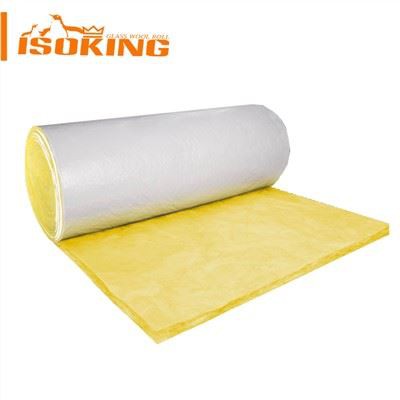
![Glass Wool Blanket Insulation]()
Length: 5-30m.
Width: 0.4-1.2m.
Density: 10-50kg/m3.
Thickness: 25-200mm.
Facing: None, FSK, Kraft, BGT (Black Glass Tissue).Add to Inquiry -
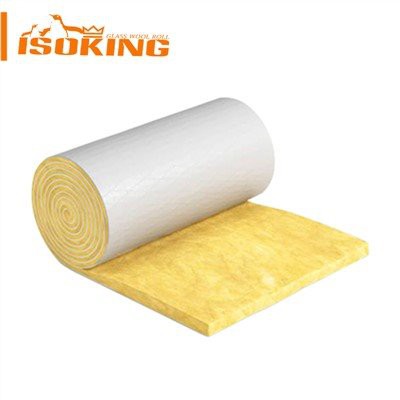
![Glass Wool Insulation Blanket]()
Width: 1.200m ( 0.4m,0.6m,1.150m are also available)
Length: 5-30m.
Thickness: 25-200mm.
Density: 10-50kg/m3
Facing: None, Alum Foil, Kraft, Black Glass Tissue(BGT).Add to Inquiry -
![Glass Wool Blanket with Aluminum Foil]()
Glass Wool Blanket with Aluminum Foil
Length: 5000-30000mm
Width: 1200mm ( 400mm,600mm,1150mmis available)
Thickness: 25-200mm
Density: 10-50kg/m3Add to Inquiry -
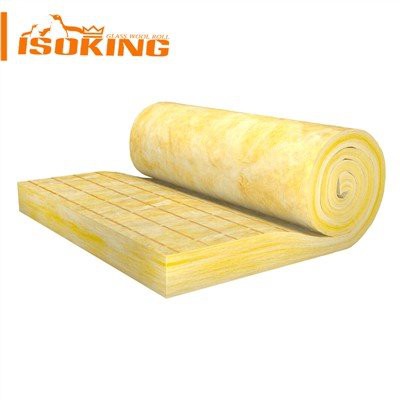
![Glass Wool Insulation Roll]()
Length: 5000-30000mm
Width: 1200mm ( 400mm,600mm,1150mm are available)
Thickness: 25-200mm
Density: 10-50kg/m3
Facing: None, FSK, Kraft, BGT.Add to Inquiry -
![Glass Wool for Sound Insulation]()
Glass Wool for Sound Insulation
Density :16~80kg/m3
Thickness :25~200mm
Width :300/400/600/1200mm
Length :5000-30000mm
Facing: None, FSK, White Polypropylene,Perforated aluminum foil, Kraft paper facingAdd to Inquiry -
![Glass Wool for Soundproofing]()
Density :10kg/m3 to 48kg/m3
Thickness :Normally 50/75/100mm
Width :Normally 50/75/100mm
Length :10000-30000mmAdd to Inquiry -
![Acoustic Glass Wool]()
Density:10kg/m3-48kg/m3
Thickness:25mm-180mm
Width:Normally 1200mm
Length:5000mm-30000mmAdd to Inquiry -
![Glass Wool Insulation for Roof]()
Glass Wool Insulation for Roof
Density:10-48kg/m3
Thickness:25-200mm
Length:5-30m
Width:1.2m /0.6m /1.15m /1.22mAdd to Inquiry -
![100mm Glass Wool Insulation]()
Width: 0.4-1.2 m.
Length: 5-30m.
Thickness: 25-200mm.
Density: 10-50kg/m3
Facing: None, FSK, Kraft, white vinyl, metallized polyester, black glass tissue to meet...Add to Inquiry -
![50mm Glass Wool Insulation]()
Length: 5000-30000mm
Thickness: 25-200mm
Density: 10-48kg/m3
Width: 1200mm ( 400mm,600mm,1150mmis available)
Facing: None, FSK, Kraft, Blank Glass Tissue(BGT).Add to Inquiry -
![Building Material Industry Sound Heat Thermal Insulation Glass Wool Blanket]()
Building Material Industry Sound Heat Thermal Insulation Glass Wool Blanket
Length: 5-30m.
Width: 0.4-1.2m.
Density: 10-50kg/m3.
Thickness: 25-200mm.
Facing: None, FSK, Kraft, BGT (Black Glass Tissue).Add to Inquiry -
![Glass Wool Panel For Marine]()
IKING can not only produce glass wool blanket used in the field of steel structures, but also glass wool panels in the field of ships can be perfectly completed. Our ISOKING glass wool panel are...
Add to Inquiry




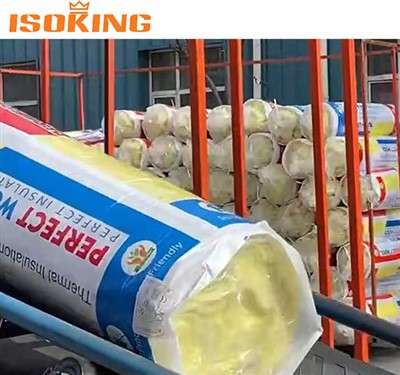

production process
The production process of glass wool blankets involves several carefully controlled steps to transform raw materials into the final insulation product.

Raw Material Selection and Preparation
Materials: Sand, limestone, soda ash, and recycled glass (cullet) are the main raw materials used in the creation of glass wool. These substances were picked because when they melt, they can make glass.
Batching: The ingredients are precisely measured and combined in exact amounts. The mixing, referred to as the batch, is essential to getting the required qualities in the finished product.
Melting
Furnace: The combined batch is put into a furnace and heated to a temperature between 2,552 and 2,732 degrees Fahrenheit (1,400 to 1,500 degrees Celsius). The raw ingredients melt at this high temperature, forming molten glass.
Continuous Process: To guarantee a steady supply of material for the following step, raw materials are introduced and molten glass is taken off at a consistent pace during the continuous melting process.


Fiber Formation
Fiberizing: After that, the molten glass is sent to a fiberizing machine, which turns it into fine fibers. There are two common ways to go about doing this:
● Rotary Process: Glass is supplied into a rotor, or rotating disc, which uses centrifugal force to spin the molten glass into thin fibers.
● Blowing Process: The melted glass is blown into fine fibers using high-pressure steam or air.
Application of Binding Agent: A binding agent (often a thermosetting resin) is applied to the glass fibers while they are being produced. This binder gives the finished product the required rigidity and toughness while also aiding in holding the fibers together.
Forming the Blanket
Gathering: The coated fibers are gathered into a loose mat by means of a moving conveyor belt. By adjusting the conveyor's speed and the rate of fiber deposition, the mat's thickness and density may be changed.
Curing: The binding agent is cured by heating the loose mat to a certain temperature in a curing oven. By solidifying the mat, this technique gives it the necessary mechanical qualities and structural integrity.


who choose us?
Since its founding in 1995, IKING GROUP has grown to become one of the top manufacturers and exporters of insulating materials. The company, with its headquarters in China, operates a massive plant spanning 120,000 square meters. Over the course of the preceding twenty-five years, IKING GROUP has significantly expanded its production capacity. Currently, it operates thirteen production lines for glass wool, eight for rock wool, ten for rubber foam, and sixteen for ceramic wool insulation materials. Our items have been purchased by customers in more than 130 countries.
Certifications


Why Glass Wool Blankets Withstand High Temperatures
Material
Glass Fibers: The fine glass fibers used to make glass wool are mostly silica (silicon dioxide). Glass has a high melting point; depending on the type, it can melt at 1,400 to 1,600°C (2,552 to 2,912°F). Glass fibers can withstand high temperatures without melting or deteriorating because of their high melting point.
The non-flammability of glass fibers is a given. Glass wool is a great material for thermal insulation in high-temperature applications since it does not catch fire or promote combustion. This characteristic results from the chemical makeup and intrinsic stability of glass.

Manufacturing
Melting and Fiberizing: To create molten glass, the raw materials (such as limestone, soda ash, and sand) are melted at extremely high temperatures throughout the production process. After that, the molten glass is fiberized to produce fine glass fibers, usually by blowing or rotating the glass. Because the fibers are created at high temperatures under regulated conditions, they are naturally suited to withstand higher temperatures as they come to be.
Binding Agents: A thermosetting resin that is cured at high temperatures is commonly used as a binding agent to fuse glass fibers together. These binding agents are chosen to add to the final product's thermal stability because of their capacity to tolerate high temperatures without degrading.

High temperature resistance factors
1. Inherent characteristics of glass
Thermal stability:Glass as a material has excellent thermal stability, meaning it can withstand significant temperature fluctuations without physical or chemical changes. This stability is the fundamental reason why glass wool can withstand high temperatures.
Chemical resistance:Fiberglass is chemically inert to most substances and does not react with them, which helps maintain its structural and insulating properties at high temperatures.
2. Structural integrity of fibers
Fiber structure:The fine structure of fiberglass increases surface area, helping to evenly distribute heat and prevent localized hot spots that can cause damage. The high surface area to volume ratio also helps to effectively prevent heat transfer.
Density and thickness:Higher density and thicker glass wool blankets provide better insulation and can withstand higher temperatures for longer periods of time. The density and thickness of the blanket can be adjusted during the manufacturing process to meet specific heat resistance requirements.
3. Quality of binder
High temperature resin:The adhesives used in glass wool mats are chosen for their ability to withstand high temperatures without breaking down. These agents ensure that the fibers remain bonded together, maintaining the blanket's structural integrity and insulating properties even under high thermal stress.
4.Furnishing materials
Heat Resistant Finish:The surface material of some glass wool blankets can also withstand high temperatures. For example, foil-faced glass wool can reflect radiant heat, further enhancing the blanket's heat resistance. For applications where the insulation surface may be exposed to high temperatures, the choice of facing material is very important.

1. Unprocessed Materials
Glass Quality: The end result is significantly impacted by the quality of the glass used as the main raw material. Glass wool with exceptional mechanical and thermal qualities is produced from high-quality glass that has a consistent chemical composition and purity.
Binder Quality: A high-quality, glass-fiber-compatible binding agent should be employed to hold the fibers together. The total strength, longevity, and condition of the glass wool are enhanced by the binder's resilience to external factors.
2. Properties of Fibers
Fiber Diameter: The glass wool's insulating qualities are directly related to the diameter of the glass fibers. While bigger fibers might give greater mechanical strength, finer fibers perform better in terms of heat resistance and sound absorption.
Fiber Length: The loftiness and density of the finished product are determined by the length of the glass fibers. Longer fibers can improve an insulation material's thermal and acoustic performance by making it more homogeneous and robust.
Fiber Distribution: For constant performance, the insulation material's fibers must be distributed uniformly throughout. Inadequate distribution of fibers can lead to inefficient sound and heat transfer blockers as well as unequal insulation.
3. Manufacturing Process Fiberization process: The quality and properties of glass wool are influenced by the process used to turn molten glass into fibers, such as centrifugal or rotary spinning, blowing, or centrifugal blowing. The performance of the finished product is affected by the characteristics of the fibers produced by each fiberization technique.
Curing Procedure: The strength and integrity of the glass wool depend on the curing, also known as bonding, process, which involves treating the glass fibers with a binding agent and curing them. An insulating material that is stable and long-lasting is formed when the fibers are firmly bound together through proper curing.
Quality Control: To ensure uniformity and high-quality products, strict quality control procedures must be followed throughout the manufacturing process.Quality control procedures include testing raw materials, monitoring production parameters, and conducting rigorous testing on the final product to verify performance and compliance with standards.
4. Density and Layering
Density: The mechanical, thermal, and sound-absorbing qualities of glass wool are influenced by its density, which is expressed in kilograms per cubic meter (kg/m3). Higher-density glass wool may be more costly and less flexible, but it usually performs better as insulation.
Thickness: The thermal resistance and acoustic qualities of glass wool insulation are influenced by its thickness. Higher degrees of insulation are often provided by thicker insulation materials, however installation may need more room.
5. Materials for Facing
Vapor Retarders: To prevent moisture transmission, some glass wool goods are faced with vapor-retardant materials like foil or kraft paper. The total robustness and efficiency of the insulating system are influenced by the caliber and potency of the face material.
