


What does glass wool insulation consist of?
Glass wool insulation is made from recycled glass and sand, a sustainable practice that helps reduce waste and consumption of raw materials. Additionally, the energy savings it achieves throughout its use help reduce your overall carbon footprint.
-
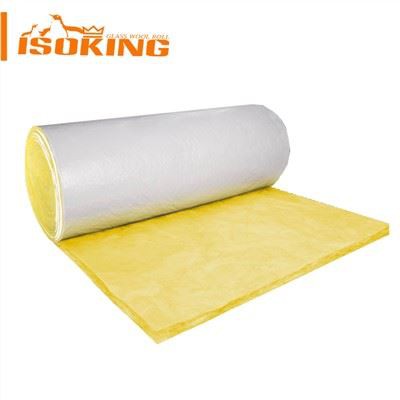
![Glass Wool Blanket Insulation]()
Length: 5-30m.
Width: 0.4-1.2m.
Density: 10-50kg/m3.
Thickness: 25-200mm.
Facing: None, FSK, Kraft, BGT (Black Glass Tissue).Add to Inquiry -
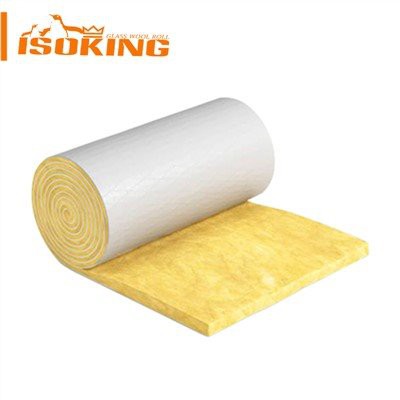
![Glass Wool Insulation Blanket]()
Width: 1.200m ( 0.4m,0.6m,1.150m are also available)
Length: 5-30m.
Thickness: 25-200mm.
Density: 10-50kg/m3
Facing: None, Alum Foil, Kraft, Black Glass Tissue(BGT).Add to Inquiry -
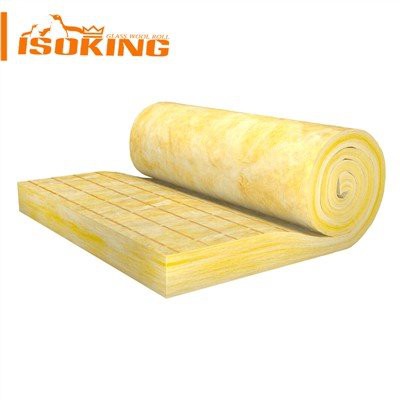
![Glasswool Insulation Board]()
Width: 0.6m-1.2m.
Length: 0.6-2.4m.
Thickness: 25-100mm.
Density: 24-96kg/m3
Facing: FSK, Kraft, BGT.Add to Inquiry -
![Glass Wool Insulation Sheet]()
Width: 0.6m-1.2m.
Length: 0.6-2.4m.
Thickness: 25-100mm.
Density: 24-96kg/m3
Facing: FSK, Kraft, BGT.Add to Inquiry -
![Glass Wool Blanket with Aluminum Foil]()
Glass Wool Blanket with Aluminum Foil
Length: 5000-30000mm
Width: 1200mm ( 400mm,600mm,1150mmis available)
Thickness: 25-200mm
Density: 10-50kg/m3Add to Inquiry -
![Glass Wool Insulation Roll]()
Length: 5000-30000mm
Width: 1200mm ( 400mm,600mm,1150mm are available)
Thickness: 25-200mm
Density: 10-50kg/m3
Facing: None, FSK, Kraft, BGT.Add to Inquiry -
![Glass Wool for Sound Insulation]()
Glass Wool for Sound Insulation
Density :16~80kg/m3
Thickness :25~200mm
Width :300/400/600/1200mm
Length :5000-30000mm
Facing: None, FSK, White Polypropylene,Perforated aluminum foil, Kraft paper facingAdd to Inquiry -
![Glass Wool for Soundproofing]()
Density :10kg/m3 to 48kg/m3
Thickness :Normally 50/75/100mm
Width :Normally 50/75/100mm
Length :10000-30000mmAdd to Inquiry -
![Acoustic Glass Wool]()
Density:10kg/m3-48kg/m3
Thickness:25mm-180mm
Width:Normally 1200mm
Length:5000mm-30000mmAdd to Inquiry -
![Glass Wool Insulation for Roof]()
Glass Wool Insulation for Roof
Density:10-48kg/m3
Thickness:25-200mm
Length:5-30m
Width:1.2m /0.6m /1.15m /1.22mAdd to Inquiry -
![100mm Glass Wool Insulation]()
Width: 0.4-1.2 m.
Length: 5-30m.
Thickness: 25-200mm.
Density: 10-50kg/m3
Facing: None, FSK, Kraft, white vinyl, metallized polyester, black glass tissue to meet...Add to Inquiry -
![50mm Glass Wool Insulation]()
Length: 5000-30000mm
Thickness: 25-200mm
Density: 10-48kg/m3
Width: 1200mm ( 400mm,600mm,1150mmis available)
Facing: None, FSK, Kraft, Blank Glass Tissue(BGT).Add to Inquiry




What is Glass Wool Insulation ?
Glass wool insulation is produced using sand and recycled glass, which is a sustainable method that lowers waste and raw material use. Furthermore, the energy savings it generates during use contribute to lowering your carbon impact overall.
A common thermal and acoustic insulation solution in a range of building types is glass wool insulation, a fibrous substance produced from fiberglass. Its main purpose is to slow down the movement of heat between various environments, which makes it a crucial part of household and commercial building energy efficiency.
Glass, which is frequently recycled, is melted at a high temperature along with sand and other raw materials to create fibers for glass wool manufacture. After being coated with a binder, the fibers are formed into rolls or sheets with different densities and thicknesses to fit different purposes. The fibrous structure of the material produces a large number of microscopic air pockets that reduce or interrupt the transfer of sound, heat, or both.
The thermal characteristics of glass wool insulation are among its key benefits. Glass wool helps to keep indoor temperatures constant, which can eventually result in significant energy savings by lowering the demand on heating and cooling systems. It also reduces temperature swings, making the interior environment more comfortable.
Glass wool not only regulates temperature well but also has superior sound absorption qualities. It is perfect for usage in high-noise environments or buildings where soundproofing is essential, such as recording studios, schools, and residential areas, as it helps minimize the transmission of sound between rooms and from external sources.
Because it is lightweight and portable, glass wool is simple to install. It can be shaped and sized irregularly to accommodate a range of installation requirements, such as basement walls and attic spaces.
Why Choose Us?
Wide Scope Of Cooperation
Our company has long-term and stable cooperative relationships with more than 130 countries
Private Label
We have four brands: ISOKING, FIRSTFLEX, PERFECTWOO
Our Advantage
Our products are cheap and of high quality
Location
Our headquarters is located in Tianjin, which provides a good external environment for our business development
Advantages of glass wool insulation materials
Thermal Efficiency
Glass wool insulation is very effective at reducing heat transfer between the interior and exterior of a building. This helps maintain consistent indoor temperatures and reduces energy costs by minimizing the need for heating and cooling systems to work overtime.
Environmental Sustainability
Typically made from recycled glass and sand, glass wool is an environmentally friendly choice. Not only does it utilize waste materials efficiently, but it also helps save energy throughout the building’s lifecycle, thereby reducing the building’s carbon footprint.
Fire Resistance
Glass wool is non-flammable and can withstand high temperatures, contributing to the overall fire safety of the building. It does not act as a fuel source and can help contain the spread of fire.
Versatility
Glass wool can be used in a wide range of applications, from residential to commercial and industrial buildings, for new construction and retrofitting of existing structures.
Moisture Resistance
After being treated with waterproofing chemicals, glass wool can resist the absorption of moisture. This helps prevent mold growth and maintains its insulating properties even in humid conditions.
Sound Absorption
Due to its fiber structure, glass wool has excellent sound absorption properties. This reduces the transmission of noise through walls, floors and ceilings, improving the acoustic comfort of the space.
Chemical Stability
Glass wool is chemically inert and will not corrode metals. This property makes it suitable for use with a variety of building materials without the risk of chemical reactions.
Cost-Effectiveness
Compared to other forms of insulation, glass wool is generally less expensive and provides a high return on investment through energy savings.
Low Thermal Conductivity
The air pockets within the fiberglass structure provide excellent resistance to heat flow, giving it superior thermal insulation properties.
Application of glass wool insulation materials
Glass wool insulation is used in a wide variety of applications due to its excellent thermal and acoustic properties, versatility and cost-effectiveness. Here are some of the main applications for glass wool insulation:
building insulation
Glass wool is widely used to insulate roofs, walls, floors and ceilings in residential and commercial buildings. It helps keep indoor temperatures constant, reduces energy consumption for heating and cooling, and lowers utility costs.
Sound insulation
Due to its fibrous nature, glass wool effectively absorbs sound, making it an excellent material for soundproofing walls, ceilings, and floors. It is often used in partition walls, office spaces, studios, theaters and other areas with high sound insulation requirements.
Pipe insulation
Glass wool wraps or preformed pipe sections are used to insulate pipes to prevent heat loss from hot pipes and condensation from cold pipes. This is important for maintaining the efficiency of ductwork in industrial applications, central heating systems and buildings.
Industrial applications
In industrial settings, glass wool is used to insulate boilers, ovens, refrigeration units, storage tanks and other equipment requiring temperature control. This insulation helps maintain process temperatures and protect equipment.
transportation
Glass wool is also used in the transportation sector, especially cars and ships, for thermal and sound insulation.
Fireproof
The non-combustible properties of glass wool make it suitable for fire protection applications. It can be used in fire doors, fire panels and fire protection systems to suppress the spread of flames and smoke within buildings.
prefabricated insulated panels
Glass wool is often encased in panels or boards for quick, clean installation. These are commonly used in system construction, including modular homes and office units.
Geothermal and power generation
The thermal properties of glass wool make it suitable for use in insulating equipment for power generation and geothermal energy extraction.
the types of glass wool insulation materials
Batts And Rolls
These are the most common forms of glass wool insulation. Batts are pre-cut insulating panels that fit standard spacing in building frames and are ideal for insulating walls, floors and ceilings. Roll stock, on the other hand, can be cut to length on site, allowing for custom applications and less waste. Both are easy to handle and install between joists and studs in building structures.
Loose Fill Insulation
This type of glass wool comes in the form of loose fibers that can be blown into the space using special equipment. It's especially useful for attics, or for filling irregular spaces and around obstructions where batts or rolls may not fit properly. Loose fill glass wool effectively fills gaps and cracks, providing a comprehensive insulation solution that enhances thermal performance and sound insulation.
Rigid Boards
Glass wool can also be made into rigid or semi-rigid boards or panels. They are used to insulate flat surfaces such as roof and floor assemblies, as well as in exterior wall insulation systems. Rigid panels are often surfaced with a foil or plastic layer that acts as a vapor barrier or radiant barrier, adding additional thermal performance.
Pipe Insulation
Glass wool pipe insulation is designed in a hollow cylindrical shape and is suitable for installation on pipes. This form helps prevent heat loss from hot pipes and condensation from cold pipes, thereby maintaining energy efficiency in industrial, commercial and residential environments.
Acoustic Panels
Specially designed glass wool acoustic panels are used in buildings and rooms where sound control is critical, such as studios, theaters and conference rooms. These panels are engineered with high sound absorption to control reverberation and reduce transmitted noise.
Insulation Blanket
Similar to a roll, but usually of higher density, insulation blankets can come with or without a facing. It is used in large industrial applications in equipment, large diameter pipes or duct systems that require temperature and sound control.
how to install glass wool insulation
Preparation
Measure the area where insulation will be installed to determine how much material is needed.
Clear the space of any debris or old insulation that may affect the effectiveness of the new insulation.
Make sure the area is dry to prevent any mold problems.
Cut the insulation layer
Measure and cut the glass wool to fit the space between the joists or studs. Use a sharp utility knife and ruler or a special insulated cutting knife. It is recommended to cut on a flat, stable surface.
Install insulation
For walls and ceilings: Starting at the top and working your way down, install batting or roll tightly between studs or joists. Make sure there are no gaps; even small gaps can significantly reduce the effectiveness of the insulation.
For attics: Spread insulation perpendicular to the joists, or use loose-fill insulation that can be blown in to evenly cover the area.
Ensure insulation:If necessary, use wire fasteners or insulating brackets to hold the batt or roll in place, especially in overhead or vertical applications.
Add additional layers:In an attic, adding additional insulation perpendicular to the first layer of insulation may help increase the R-value.

How to maintain glass wool insulation materials daily
Displacement Or Clearance
Regularly inspect accessible areas where glass wool insulation is installed, such as attics or crawl spaces. Look for signs of shifting or sagging insulation. This can create gaps that compromise the insulation.If you notice any shifting or compression, reposition or add more insulation as needed to maintain coverage and performance.
01
Moisture Check
Check for any signs of moisture or water damage. Glass wool insulation that becomes damp will lose its insulating properties and can also lead to mold growth.If a moisture problem is detected, find the source of the water ingress and fix it. Replace any damp insulation as once saturated, it cannot dry effectively.
02
Pest Inspection
Check for signs of pest infestation. Rodents and insects may nest in or damage the insulation, reducing its effectiveness.If you see signs of pests, treat the area for pests and repair or replace damaged insulation. Consider taking pest control measures to prevent future infestations.
03
Dust And Debris Control
Keep the environment around the insulator clean and free of debris to avoid contamination. Accumulated dust and dirt can affect indoor air quality and may ultimately harm the performance of your insulation.
04
Adequate Ventilation
Make sure insulated areas are well ventilated, especially attics and crawl spaces. This helps prevent moisture from building up, which can reduce insulation properties and lead to mold problems.
05
