


What are Insulation Batts?
Pre-cut panels or strips of insulating material, called insulation batts, are intended to fit in between a building's wall studs, floor joists, and ceiling rafters. By preserving a constant temperature, they help to decrease heat transmission, increase energy efficiency, and improve indoor comfort. Fiberglass, mineral wool, cotton, and cellulose are just a few of the materials that can be used to make insulation batts. Each has its own advantages, such as soundproofing, fire resistance, and thermal insulation. They are a well-liked option for both professional builders and do-it-yourself projects due to their simple installation.

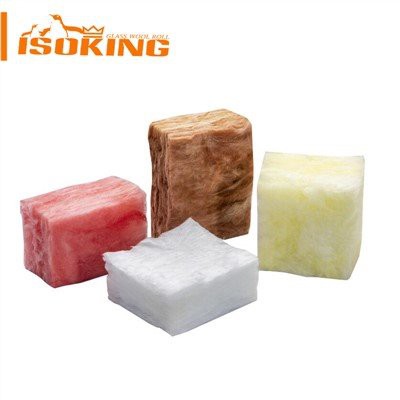

The most popular material for insulation batts is fiberglass, which is made from tiny glass strands woven into a mat. Mineral wool, also known as rock wool or slag wool, is made from natural minerals or industrial byproducts like slag and provides excellent fire resistance and sound absorption. Cotton is recycled from denim scraps or other cotton fibers and is a sustainable and non-toxic option. Sheep's wool is a natural, renewable material that is moisture-resistant and biodegradable. Cellulose is made from recycled paper products and is fire retardant for safety.
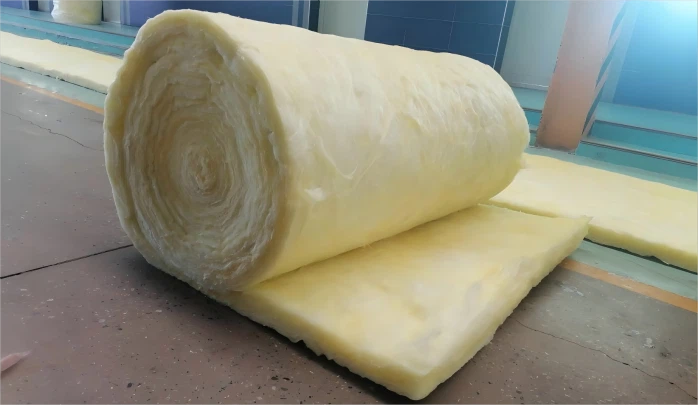
Method of Production
Getting the Raw Materials Ready
- Glass is heated and then extruded into tiny fibers to create fiberglass.
- Slag or rocks are melted and spun into fibers to create mineral wool.
- Cotton: After being cleaned, recycled cotton is turned into fibers.
- Wool from sheep is washed, carded, and shaped into batts.
- Cellulose: Fire retardants are applied after recycled paper is shred.
Putting the Batts Together
- A thick, dense mat is created by gathering and layering the fibers.
- After that, the mat is cut and compressed into pre-sized pieces for simple installation.
Connecting and Maintaining
- The fibers may be held together by the use of binder or adhesive.
- To maintain their shape and longevity, the batts are cured in an oven.
Slicing and Packing
- In order to suit standard wall, floor, and ceiling cavities, the batts are trimmed to standard sizes.
- After that, they are prepared for distribution, frequently being wrapped in plastic to guard against moisture and damage while being transported and stored.
How to Use Insulation Batts
Using insulation batts is a straightforward process that can significantly improve the energy efficiency and comfort of your home. Here’s a brief guide on how to install them
Getting Ready
Measure the Space: The spaces where the batts will be installed between wall studs, floor joists, or ceiling rafters should be measured for height and width.
Assemble Equipment: A utility knife, straight edge, tape measure, gloves, safety goggles, and a dust mask are required.
Slicing the Batts
Cut to Size: Use a utility knife and a straight edge to cut the batts to meet the measured dimensions if they are not already precisely cut to size. Make sure the batts are compressed-free and fit snugly.
Setting up the Batts:
Install the insulation batts into the cavities to complete the fit. Make sure there are no spaces between them and the sides of the rafters, joists, or studs. The insulating effectiveness of the batts can be lowered by compression, so avoid doing so.
Fill Small Gaps: To guarantee full coverage, use smaller pieces of insulation or spray foam around electrical boxes or pipes.
Securing the Batts:
Support in Ceilings and Floors: Use wire supports, insulation hangers, or staples to retain the batts in place, especially in overhead or vertical applications where they might sag or fall out.
Sealing and Finishing
Seal Gaps: After the batts are installed, use caulk or expanding foam to seal any gaps around windows, doors, and other penetrations to prevent air leaks. Install Vapor Barrier (if necessary): In some climates or for certain applications, a vapor barrier may be required on the warm side of the insulation to prevent moisture buildup.
Clean Up
Dispose of Waste: Clean up any scraps of insulation and dispose of them properly. Store Remaining Batts: If you have any remaining insulation batts, store them in a dry, protected area for future use.
Detailed Introduction to the Application Scenarios of Insulation Batts
Insulation batts are extensively utilized in a wide range of construction applications to improve soundproofing, comfort, and energy efficiency. Here's a thorough examination of several situations in which insulation batts are used:
1. Wall Insulation:
Exterior Walls:
- The goal of insulating outside walls is to keep interior rooms cool in the summer and lessen heat loss in the winter. This raises the building's total energy efficiency.
- Application: Prior to installing the interior wall covering (such as drywall), batts are put between wall studs. A more constant interior temperature is achieved and drafts are avoided with adequate insulation in external walls.
Walls within:
- The purpose of inside wall insulation is to lessen noise transmission between rooms by aiding in soundproofing. It also aids in maintaining various temperature zones inside a structure.
- Application: To improve acoustic performance and seclusion, batts are placed between the studs of internal walls. This makes them perfect for cinema rooms, bedrooms, and home offices.

2.Attic Insulation
Purpose:
- It's crucial to insulate attics in homes with unconditioned attic spaces to stop heat from escaping through the roof. This lowers energy costs and contributes to maintaining a constant interior temperature.
- Application: Prior to installing the interior wall covering (such as drywall), batts are put between wall studs. A more constant interior temperature is achieved and drafts are avoided with adequate insulation in external walls.
Walls within:
- The purpose of inside wall insulation is to lessen noise transmission between rooms by aiding in soundproofing. It also aids in maintaining various temperature zones inside a structure.
- Application: To improve acoustic performance and seclusion, batts are placed between the studs of internal walls. This makes them perfect for cinema rooms, bedrooms, and home offices.
3. Floor Insulation:
Batts are installed between floor joists in basements, crawl spaces, or over unheated spaces. Appropriate installation guarantees that the batts fit snugly and are supported to prevent sagging. The purpose of floor insulation is to reduce heat loss to unconditioned spaces, such as basements or crawl spaces. It also helps to maintain comfort by preventing cold floors and reducing noise transmission between floors.
4. Basement and Crawl Space Insulation
- Purpose:Crawl spaces and basements are frequently chilly and damp places. Insulating these spaces can help regulate moisture, stop heat loss, and improve overall comfort.
- Use:In crawl spaces, batts can be put between joists or on basement walls. They are often positioned between the joists in crawl spaces and on the inside side of the foundation walls in basements.

5.Insulation for Roofs
- Goal:The purpose of roof insulation is to keep the interior temperature of the building constant while minimizing heat loss through the roof. It is especially crucial in houses with vaulted or slanted ceilings.
- Use:In a vaulted ceiling, batts are inserted between the ceiling joists and the rafters of the roof space. Achieving gap-free, full covering is essential for efficient thermal performance.
6.Applications for Soundproofing
- Goal:Insulation batts improve a building's acoustic comfort by effectively minimizing noise transmission from outside sources or between rooms.
- Use:Using batts in the walls, floors, and ceiling helps to reduce noise in the space. They are frequently placed in offices, music rooms, home theaters, and other spaces where noise control is crucial.
7.Energy-Saving Renovations
- Goal:Insulating existing walls, attics, and floors using batts can increase thermal performance and make older structures more energy-efficient.
- Use:Batts are added to the existing insulation in attics and floors, or they are put in open wall cavities. The energy efficiency of the building is increased by this retrofitting, which lowers the cost of heating and cooling.
8.New Building
- Goal:Insulation batts are used in new construction to guarantee that the structure satisfies energy efficiency requirements and offers a comfortable interior atmosphere right from the start.
- Use:In the building stage, batts are put in between ceiling rafters, floor joists, and wall studs. In order to achieve targeted energy performance and compliance with building codes, they are a component of the conventional building process.
Fiberglass Batts for Insulation
Maximum Temperature
It can normally tolerate temperatures as high as 1000°F (538°C).
Reason
Fine glass strands with a high melting point are used to make fiberglass. Fiberglass insulation is appropriate for places where temperatures may periodically rise, like attics and the areas surrounding chimneys, because the glass fibers stay stable at high temperatures.


why choose us
We are a reputable Chinese manufacturer and exporter of rubber foam insulation products, glass wool, rock wool, and ceramic fiber wool. The company has 8 manufacturing lines for rock mineral wool insulation materials, 10 production lines for rubber foam insulation materials, 16 production lines for ceramic wool insulation materials, and 13 production lines for glass wool insulation materials after more than 25 years of development. At present, we collaborate with over 130 nations and possess four proprietary brands: ISOKING, FIRSTFLEX, PERFECTWOOL, and KINGWOOL. Our global popularity stems from our cheap rates and superior quality items.
