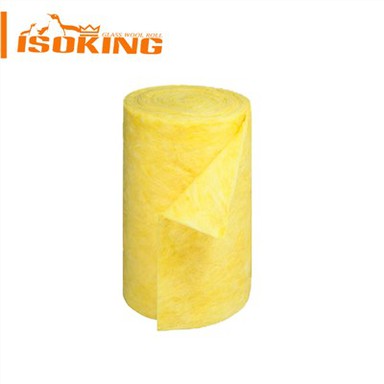
Do You Really Understand Glass Wool?
May 27, 2024
● Is Fiberglass Actually Made Of Glass?
● What Are The Pros And Cons Of Glass Wool Insulation?
● How Do You Keep Fiberglass Insulation From Sagging?
● Does Fiberglass Insulation Lose R-value If Compressed?
● Does Air Flow Through Fiberglass Insulation?
● Can You Put Insulation Directly Against Roof?
1.Is fiberglass actually made of glass?
Fiberglass, also known as glass wool, is a material used across a variety of industries and is prized for its versatility and insulating properties. But what exactly is fiberglass? Is it really made of glass? The answer is yes, fiberglass is indeed made of glass. Let's take a closer look at fiberglass's material composition, production process, and the origins of the term "glass wool."
Fiberglass Basics
Fiberglass, also known as fiberglass wool, is made from extremely fine glass fibers. It is a versatile material known for its strength, durability, and lightweight properties. The production of fiberglass involves melting glass and then extruding it through ultra-fine holes to form filaments. These filaments can be woven into fabrics for use in composite materials, or made into mats and blankets for insulation.
Glass wool composition
The main component of acoustic glass wool insulation is silica (SiO2), which is also the main component of traditional glass. However, a variety of other materials can be included in its composition to enhance its properties:
Silica (SiO2): The skeleton of glass wool, providing the basic structure.
Aluminum Oxide (Al2O3): Increases strength and durability.
Calcium oxide (CaO) and magnesium oxide (MgO): improve the chemical stability of glass fiber.
Boron oxide (B2O3): lowers the melting point of the glass mixture, making the production process more energy efficient.
Sodium oxide (Na2O) and potassium oxide (K2O): also help lower the melting point and improve the workability of the glass.
Limestone (CaCO₃): Acts as a stabilizer and accounts for about 20-30% of the mixture.
Soda ash (Na₂CO₃): used to lower the melting point of silica, accounting for about 10-20%

These raw materials are melted together in a furnace at over 1700°C (3090°F) to form molten glass. The acoustic roll insulation is then extruded or spun into fine fibers, which are then cooled and collected to form a mat of fibers called glass wool.
Glass wool production process
The process of converting molten glass into fibers can be accomplished by a variety of methods, but the two most common are rotation and flame decay.
1. Rotary process: In this method, the molten glass is fed into a rapidly rotating rotor. Centrifugal force causes the molten glass to drain through small holes around the rotor, forming thin bundles of glass fibers. The fibers are then cooled by an air stream or gas and collected on a conveyor belt to form a continuous mat.
2. Flame drawing process: This method involves spraying molten glass with a high-temperature flame to draw it into thin fibers. The flame stretches the glass into fine fibers, which are then collected in a similar manner to the spinning process.
Once formed, fibers can be processed into various forms depending on their intended use. Common forms of fiberglass include batts, rolls, and loose fill, often used for acoustic roll insulation in buildings. It can also be woven into fabrics or used to reinforce plastics in products such as boats, car bodies and sports equipment.
Production Process
Melting
Mix the raw materials and heat them in a furnace to about 1,400°C (2,552°F). High temperatures melt the raw materials to form molten glass.
Fiber formation
The molten glass is then extruded through a fine nozzle to form fine fibers.
Spinning
Molten glass is squeezed through tiny holes in a rapidly rotating machine, which elongates and cools the fibers.
Blowing
Using high-speed air or steam jets to blow molten glass into fibers.
Bonding and Curing
The fiberglass is coated with an adhesive to help them stick together and form a mat. The mat is then heated to cure the adhesive, allowing the structure to solidify.
Cutting and packaging
The final product is cut into rolls or sheets of varying thicknesses and densities ready for use in insulation and other applications.

The origin of the name "glass wool"
The name "glass wool" comes from its wool-like appearance and texture, which is reminiscent of natural wool. The term "wool" in this article is used to describe the fibrous, fluffy nature of the material and is not intended to imply any organic origin. Just like wool is made up of many interlocking fibers that form a cohesive and insulating mat, glass wool is made up of large numbers of fine glass fibers that have similar insulating properties.
The development of glass wool dates back to the 1930s, when researchers were looking for new ways to use glass for thermal insulation. The breakthrough came when it was discovered that molten glass could be spun into fine fibers, a material that was lightweight, fireproof and highly insulating. The resulting material has a wool-like texture, hence the name "glass wool."
History background
The concept of drawing glass into thin fibers dates back centuries, but it wasn't until the 1930s that modern fiberglass as we know it was developed. Owens-Illinois Glass Company (later became part of Owens Corning) pioneered the commercial production of fiberglass. Their innovations led to widespread adoption of fiberglass products, including acoustic glass wool insulation, across a variety of industries.
2.What are the pros and cons of glass wool insulation?
When it comes to insulating homes and buildings, acoustic glass wool insulation is a popular choice because of its effectiveness, affordability, and versatility. However, like any building material, glass wool insulation has its pros and cons.

Advantages of glass wool insulation materials
1. Excellent thermal insulation performance: Acoustic glass wool insulation can effectively reduce heat transfer, help maintain a comfortable indoor temperature and save energy costs.
2. Sound absorption: The fiber structure of glass wool can also effectively absorb sound, reducing noise transmission between rooms and floors.
3. Fire resistance: Glass wool is non-flammable and can withstand high temperatures, providing additional safety in the event of a fire.
4. Affordable: Glass wool insulation is relatively inexpensive compared to other types of insulation, making it an affordable option for homeowners and builders.
5. Easy to install: Glass wool insulation is lightweight and easy to handle, and can be easily installed on walls, ceilings and floors.
6. Durability: Glass wool insulation will not degrade over time and is resistant to moisture, mildew, and insects, ensuring long-term performance.
Disadvantages of glass wool insulation materials
● Skin and Respiratory System Irritation: One of the major disadvantages of glass wool insulation is that it can cause irritation to the skin, eyes, and respiratory system during installation. Tiny acoustic roll insulation can become airborne and inhaled, causing discomfort and health problems.
● Hygroscopicity: Although glass wool itself is moisture-resistant, if it becomes wet, it will lose its insulating properties and become a breeding ground for mold and mildew.
● Settling over time: In some applications, particularly in attics and walls, glass wool can settle or compress over time. This settlement reduces its insulating effectiveness, leading to cold spots and reduced energy efficiency.
Strategies to Improve Glass Wool Insulation Performance
Protective Equipment
To mitigate the health risks associated with handling glass wool insulation, workers should wear appropriate protective equipment, including gloves, goggles, and masks. Providing appropriate training in safe operating practices is also critical.
Moisture-proof measures
To prevent performance degradation due to moisture, it is critical to address potential sources of water intrusion. Proper sealing and waterproofing of the area before installing glass wool can prevent water damage. In areas with high humidity, using a vapor barrier and ensuring adequate ventilation can help maintain the effectiveness of insulation.


Prevent settlement
Using high-density glass wool products reduces the likelihood of long-term settling. Additionally, laying insulation in a way that avoids compression (such as using mesh or other support systems) can help maintain its structure and performance.
Regular maintenance and inspections
Regularly inspecting insulation areas for signs of damage, moisture, or settling can help detect problems early. Maintenance, such as adding more insulation or fixing leaks, can extend the life and effectiveness of glass wool insulation.
3.How do you keep fiberglass insulation from sagging?
Acoustic glass wool insulation is a popular choice for insulating homes and buildings because it is affordable, effective, and easy to install. However, a common problem with fiberglass insulation is that it sag over time, which affects its performance and energy efficiency. In this blog, we will explore the causes of fiberglass insulation sagging and discuss effective ways to prevent and resolve this problem.
Understand why fiberglass insulation sag
Fiberglass insulation can sag for a number of reasons, including:
- Hygroscopicity: Fiberglass insulation can absorb moisture from the air or leaks, causing it to become heavier and warp over time. This hygroscopicity can occur in humid climates or in areas prone to leaks, such as roofs and basements.
- Gravity: Gravity can cause fiberglass insulation to compress and sink over time, especially in vertical installations like walls and ceilings. This compression reduces its effectiveness in blocking heat transfer and creates gaps through which cold air can penetrate.
- Improper installation: Insufficient support or improper installation techniques can also cause fiberglass insulation to sag. If the insulation is not properly secured in place, it may sag or sag over time, especially in areas with high vibration or drafts.
Tips To Prevent Fiberglass Insulation From Sagging
Fortunately, there are several effective strategies to prevent fiberglass insulation from sagging
Proper Installation
Proper installation is key to preventing fiberglass insulation from sagging. Make sure the insulation is cut to the correct size and securely held in place using staples, wire supports, or insulation hangers. Avoid squeezing the insulation as this will reduce its effectiveness and cause sagging./p>
Address moisture issues
Addressing moisture issues in your home, such as leaks or high humidity, can help prevent fiberglass insulation from sagging. Fix any leaks in your roof, walls or pipes, and make sure areas where moisture can accumulate, such as bathrooms and kitchens, are well ventilated.
Use a vapor barrier
Installing a vapor barrier over insulation can help prevent moisture absorption and reduce the risk of sagging. A vapor barrier is usually made of plastic or foil and is installed on the warm side of the insulation to prevent moisture from entering the insulation.
Choose high-density insulation
Choosing high-density fiberglass insulation can help prevent sagging and settling over time. High-density insulation is more resistant to compression and retains its shape better than lower-density alternatives.
Provide adequate support
In areas where fiberglass insulation is installed vertically, such as walls and ceilings, providing adequate support is critical to preventing sagging. Use wire supports or insulation hangers to hold insulation in place and prevent it from sagging over time.
Regular Inspections and Maintenance
Regularly checking your insulation for signs of sagging or compression and addressing any issues promptly will help extend its service life and effectiveness. Replace any damaged or sagging insulation as needed to maintain optimal energy efficiency.

Solve the problem of existing sagging fiberglass insulation
If you notice that the acoustic roll insulation in your home is sagging or compressed, you can take the following steps to fix the problem:
1. Reposition the insulation: If the insulation is sagging only slightly, you can reposition it by gently pushing it back into place and securing it with additional support.
2. Add additional support: Adding additional support, such as wire hangers or insulation supports, can help bring sagging insulation back into place and prevent further sagging.
3. Replace damaged insulation: If the insulation is severely sagging or damaged, it may need to be replaced. Remove damaged insulation and install new insulation following proper installation techniques and bracing methods.
4. Address moisture issues: If moisture is the cause of sagging insulation, address the underlying moisture issue before replacing the insulation. Repair any leaks and improve ventilation to prevent future moisture buildup.
4.Does fiberglass insulation lose R-value if compressed?
Fiberglass insulation is a popular choice for home and building insulation because of its affordability, effectiveness, and versatility. A common concern among homeowners and builders is whether fiberglass insulation will lose its R-value when compressed. In this blog, we'll dive into what the R-value of fiberglass insulation is, the importance of R-value in insulation, whether compression affects R-value, and how to protect and maximize the performance of fiberglass insulation. R-value.

Understand the R-value of fiberglass insulation
An insulation's R-value refers to its thermal resistance, a measure of its ability to resist the flow of heat. The higher the R-value, the better the insulation, which means the material is more effective at preventing heat transfer. For fiberglass insulation, the R-value typically ranges from R-11 to R-38 per inch of thickness, depending on the density and type of insulation.
The role of R-value in fiberglass insulation
The R-value of fiberglass insulation plays a vital role in determining how well it insulates. The higher the R-value, the greater the thermal resistance of the insulation, helping to keep indoor temperatures constant, reducing energy costs and increasing comfort. R-value also affects building code requirements and energy efficiency standards, with certain applications and climates often requiring higher R-values.
Does compression affect the R-value of fiberglass insulation?
Compression does affect the R-value of fiberglass insulation, but the extent of the effect depends on several factors:
1. Degree of compression: Mild compression has little effect on the R-value of fiberglass insulation, while severe compression can significantly reduce its effectiveness. As the acoustic roll insulation is further compressed, the air pockets that provide thermal resistance are squeezed out, causing the R-value to drop.
2. Fiberglass insulation type: Fiberglass insulation type and density affect how it responds to compression. High-density insulation is more resistant to compression and may maintain its R-value better than lower-density alternatives.
3. Installation Techniques: Proper installation techniques, including avoiding excessive compression and ensuring even coverage, can help minimize the impact of compression on the R-value of fiberglass insulation.

How to Protect the R-Value of Fiberglass Insulation
To protect the R-value of fiberglass insulation and maximize its effectiveness, consider taking the following steps:
1. Proper installation: Make sure fiberglass insulation is installed according to the manufacturer's directions and with the correct thickness and density for the intended use. Avoid excessive compression during installation as this can reduce the R-value of the insulation.
2. Avoid exposure to moisture: Moisture can degrade the performance of acoustic roll insulation and lower its R-value. Properly seal and waterproof areas where insulation is installed to prevent moisture penetration and address any leaks or condensation issues promptly.
3. Provide adequate ventilation: Proper ventilation of attics, crawl spaces, and other enclosed areas can help prevent moisture buildup and maintain the R-value of fiberglass insulation. Make sure ventilation systems are properly sized and operating efficiently.
4. Use a vapor barrier: Installing a vapor barrier on the warmer side of fiberglass insulation helps prevent moisture from entering the insulation and protects its R-value. Moisture barriers are especially important in humid climates or areas prone to moisture problems.
Maximize the R-value effect of fiberglass insulation
To maximize the R-value effect of acoustic roll insulation and achieve optimal energy efficiency, consider the following strategies:
1. Layered Insulation: Adding multiple layers of fiberglass insulation can increase the overall R-value and enhance insulation properties. Make sure the layers are installed correctly and do not press against each other.
2. Seal air leaks: Properly sealing air leaks and gaps in the building envelope can supplement the R-value of insulation by reducing convective heat transfer. Seal gaps around windows, doors and penetrations, and consider adding weatherstripping and caulk as needed.
3. Combine insulation types: Combining fiberglass insulation with other types of insulation, such as rigid foam board or spray foam, creates a more comprehensive insulation system with a higher overall R-value. Each insulation material contributes its unique advantages to a building's overall thermal performance.
4. Regular maintenance: Regularly inspecting insulation for signs of damage, compression, or moisture penetration, and addressing any issues promptly, will help maintain its R-value and extend its service life. Replace damaged or degraded insulation as needed to ensure optimal energy efficiency.

5.Does air flow through fiberglass insulation?
Fiberglass insulation is a material widely used to insulate homes and buildings and is prized for its affordability, effectiveness and versatility. However, one question that homeowners and builders often ask is whether air can flow through fiberglass insulation. In this blog, we will explore the properties of acoustic glass wool insulation, how air interacts with it, whether air can flow through fiberglass insulation, and the effect of airflow on insulation performance.
Learn about fiberglass insulation
Fiberglass insulation is made up of fine glass fibers that are usually bonded together with a resin adhesive to form batts, rolls, or loose fill. These fibers create tiny air pockets within the insulation, providing thermal resistance and reducing heat transfer. Acoustic glass wool insulation is commonly used in walls, ceilings, floors, and attics to help maintain comfortable indoor temperatures and increase energy efficiency.
The role of air in fiberglass insulation
Air plays a critical role in the performance of fiberglass insulation. Tiny air pockets in insulation can act as barriers to heat transfer, slowing the movement of heat through the material. This thermal resistance, measured as R-value, determines how effective the insulation is at reducing heat flow and keeping the indoor temperature constant.
that's our services
Lorem ipsum dolor, sit amet consectetur adipisicing elit.

While fiberglass insulation is designed to resist the flow of heat, it is not completely airtight. Air can still pass through the insulation through convection, diffusion and infiltration:
1. Convection: The flow of air through fiberglass insulation can be accomplished by convection, where warm air rises and cold air sinks, creating airflow through the insulation. These convective airflows can transfer heat through the insulation, reducing the effectiveness of the insulation in preventing heat transfer.
2. Diffusion: Moisture vapor can also diffuse through fiberglass insulation, especially in humid environments or areas with high humidity. This moisture penetration degrades the insulation over time and reduces its thermal resistance.
3. Penetration: Gaps, cracks and penetrations in the building envelope allow outside air to bypass the insulation and penetrate into the insulated cavity. This air infiltration can cause thermal bridges and reduce the overall energy efficiency of the building.
Airflow through fiberglass insulation can have a variety of effects on insulation performance:
1. Reduced efficiency: Convection and moisture penetration reduce the thermal resistance of the insulation, resulting in reduced energy efficiency and increased heating and cooling costs.
2. Moisture Damage: Moisture infiltration can cause mold growth, wood rot, and building envelope damage, compromising indoor air quality and structural integrity.
3. Comfort issues: Air leaks and thermal bridges can create drafts, cold spots, and temperature unevenness within a building, causing discomfort to occupants.

6.Can you put insulation directly against roof?
Roof insulation is essential to maintain comfortable indoor temperatures, improve energy efficiency and protect building structures from extreme temperatures. However, there are many factors to consider when insulating your roof, including the type of insulation used and how it is installed. A common question is whether insulation can be installed directly on the roof. In this blog, we'll explore the considerations, pros, cons, and best practices of installing insulation directly on your roof.
Learn about roof insulation
Roof insulation plays a vital role in controlling heat transfer between the inside and outside of a building. It helps keep the interior cooler in the summer and warmer in the winter by reducing the flow of heat through the roof structure. Insulation also helps prevent the accumulation of moisture, condensation and mold growth in the roof cavity, thereby extending the life of the building.

Benefits of installing insulation directly on your roof
1. Improve energy efficiency: Placing insulation directly on the roof minimizes thermal bridging and reduces heat transfer through the roof structure, thereby improving energy efficiency and reducing heating and cooling costs.
2. Enhanced comfort: Effective roof insulation can maintain a constant temperature and reduce temperature extremes within a building, creating a more comfortable indoor environment.
3. Moisture Control: Insulation helps prevent moisture and condensation from building up in the roof cavity, thereby reducing the risk of mold growth, wood rot, and structural damage.
4. Save space: Installing insulation directly on the roof maximizes indoor space because no additional frame or gap is required between the insulation and the roof.
5. Simplify installation: Placing insulation directly on the roof can simplify the installation process, especially in remodeling or renovation projects where space constraints may be a concern.

Direct insulation installation on your roof has numerous advantages, but there are also some disadvantages and things to think about.
1. Moisture control: To avoid condensation, mold growth, and moisture build-up when placing insulation directly on your roof, adequate moisture control is essential. To lessen issues associated to moisture, adequate ventilation, vapor barriers, and suitable waterproofing details are crucial.
2. Roof Deck Compatibility: Direct insulation installation may not be possible with some roofing systems or materials. Certain roof membranes, for instance, could need particular installation techniques or clearances for moisture management and ventilation.
3. Insulation type: Whether or not insulation is appropriate for direct roof installation depends on its type. For this use, some insulating materials-like rigid foam board or spray foam-might be more appropriate than others.
4. Code Compliance: Specific requirements for installing roof insulation, such as insulation type, R-value, and moisture management techniques, may be outlined in building codes and regulations. you guarantee compliance, make sure you review the building rules and ordinances in your area.
5. Roof Warranty: Direct insulation installation on the roof may void the roofing system's and material's warranty. Always find out if this will impact your warranty by contacting the manufacturer or a roofing contractor.
Best practices for installing insulation directly on your roof
To ensure effective and safe installation of insulation directly on your roof, consider the following best practices:
1. Proper ventilation: Make sure there is adequate ventilation within the roof cavity to prevent moisture buildup and maintain air circulation. Use ridge vents, soffit vents, or mechanical ventilation as needed to promote air circulation.
2. Moisture barrier: Install a vapor barrier on the warm side of the insulation to prevent moisture from entering the roof cavity. A vapor barrier helps control humidity levels and reduces the risk of condensation.
3. Flashing details: Use appropriate flashing details around roof penetrations, joints and edges to prevent water penetration and ensure a waterproof seal. Proper flashing is critical to protecting your roof structure and insulation from water damage.
4. Type of insulation: Choose insulation suitable for installation directly on your roof, such as spray foam, rigid foam board or some type of batt insulation. Consider factors such as R-value, moisture resistance, and compatibility with roofing materials.
Alternative roof insulation methods
If installing insulation directly on the roof is not feasible or desirable, there are other ways to insulate:
- Traditional Attic Insulation: Insulating the attic floor instead of the roof allows for easier access and maintenance of the roof structure. This method involves installing insulation between attic joists or rafters and provides similar thermal benefits to directly applying insulation.
- Spray Foam Insulation: Spray foam insulation can be applied directly to the underside of the roof sheathing to create a seamless and airtight insulation barrier. This method provides excellent insulation and helps with air leakage and moisture issues.
- Radiant barrier: Installing radiant barrier foil or paint on the underside of the roof sheathing helps reflect radiant heat away from the roof, reducing summer heat gain and improving energy efficiency.
- Rigid foam insulation: Rigid foam insulation panels can be installed on the underside of the roof sheathing to provide heat insulation and moisture protection. Proper installation and sealing are critical to preventing air leaks and moisture penetration.