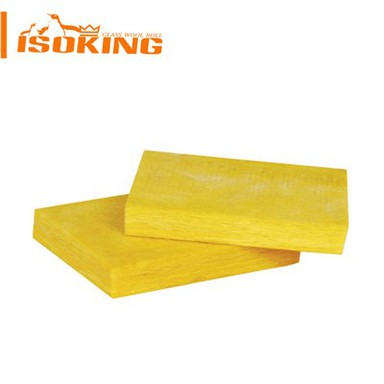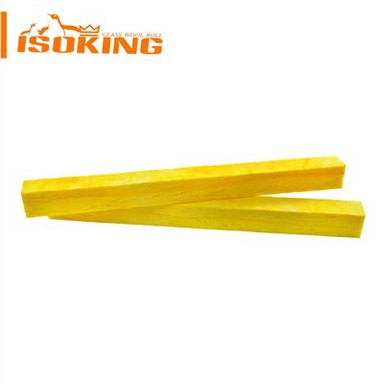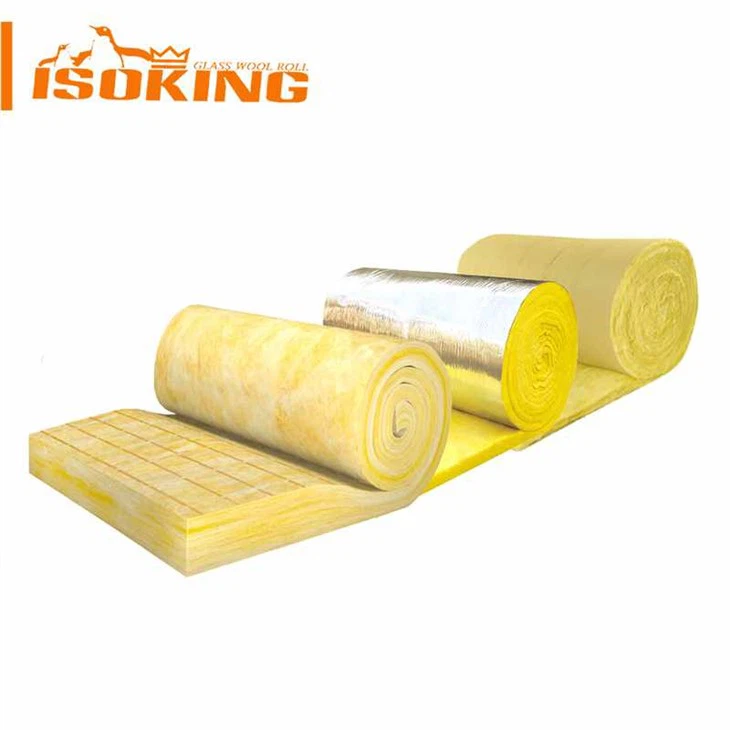
Resin Bonded Fibre Glass Wool
Length: 5-30m.
Width: 0.4-1.2m.
Density: 10-50kg/m3.
Thickness: 25-200mm.
Facing: None, FSK, Kraft, BGT (Black Glass Tissue).
- Fast Delievery
- Quality Assurance
- 24/7 Customer Service
Product Introduction
Resin Bonded Fiberglass Wool is crafted from pure silica sand, forming a compressible insulation material comprising fine, lengthy, inorganic glass fibers unified by a high-temperature resin binder. This versatile glass wool comes in rolls of different densities and thicknesses, featuring a diverse selection of factory-applied facings like reinforced aluminum foil, fiberglass tissue, black glass tissue, and a variety of premium imported facings
Production Process
Resin Bonded Fiberglass Wool begins its journey as silica sand, a natural resource abundant in purity and strength. The manufacturing process involves melting silica sand at high temperatures, transforming it into molten glass. Through centrifugal force or air streams, the molten glass is then converted into fine fibers, resembling wool in appearance. These fibers are then bound together using a high-temperature resin binder, forming the characteristic fluffy and compressible structure of glass wool insulation.


Performance Testing
There are generally several methods for testing resin bonded fibre glass wool:
Thermal Conductivity Testing: This method measures the material's ability to conduct heat. The lower the thermal conductivity value, the better the insulation performance. Common standards for thermal conductivity testing include ASTM C518 and ASTM C177.
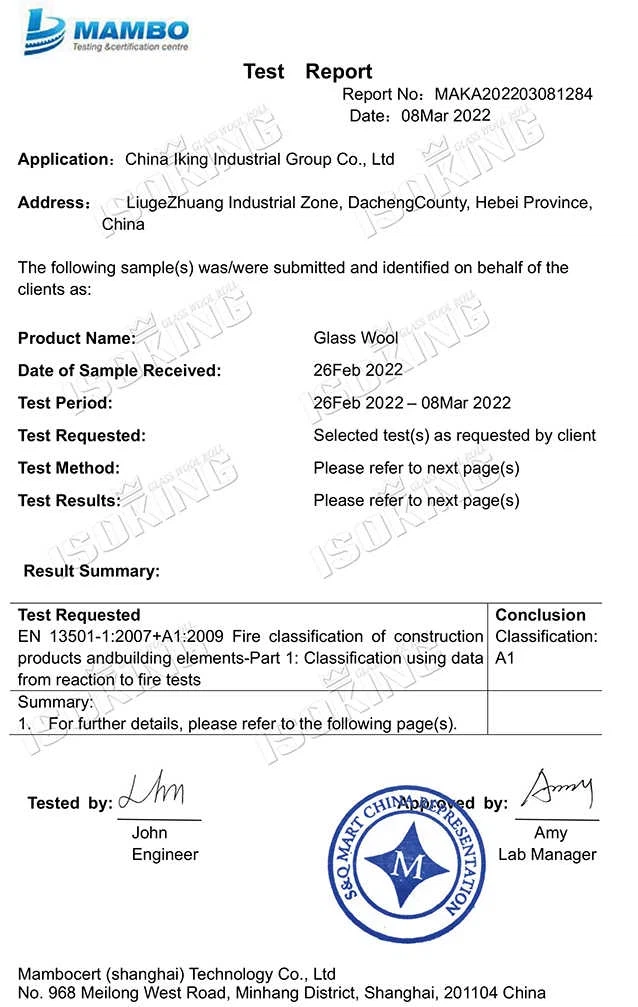
Fire Resistance Testing: Fire resistance tests assess how well the glass wool insulation resists flames and inhibits fire spread. Tests may include flame spread tests, smoke development tests, and fire resistance tests according to standards like ASTM E84 (Surface Burning Characteristics of Building Materials) and ASTM E136 (Behavior of Materials in a Vertical Tube Furnace at 750°C).
Acoustic Performance Testing: Acoustic testing evaluates the material's ability to absorb sound and reduce noise transmission. Tests such as sound absorption coefficient measurements (ASTM C423) and sound transmission class (STC) ratings assess the insulation's acoustic properties.
Durability and Environmental Testing: These tests evaluate the insulation's resistance to environmental factors such as moisture, aging, and chemical exposure. Methods may include accelerated aging tests, water absorption tests (ASTM C1104), and chemical resistance tests.
Density and Thickness Measurements: These measurements assess the density and thickness of the glass wool insulation, which are critical factors influencing its thermal and acoustic performance. Standards such as ASTM C167 and ASTM C168 outline procedures for density and thickness measurements.
Compression and Resilience Testing: Compression testing evaluates the material's ability to withstand pressure and regain its original thickness after compression. This testing is important for applications where the insulation may experience compression during installation or use.
Tensile Strength Testing: Tensile strength tests measure the material's resistance to pulling forces, assessing its structural integrity and durability.
Corrosion Resistance Testing: For applications where the insulation may be exposed to corrosive environments, corrosion resistance testing evaluates the material's ability to resist corrosion over time.
Thermal Stability Testing: Thermal stability tests assess how well the insulation maintains its properties and performance under high temperatures, ensuring suitability for specific applications.
Feature
High Thermal Insulation: Resin bonded fibre glass wool provides excellent thermal insulation properties, keeping interiors warm in winters and cool in summers.
Fire Resistance: Resistant to fire, making it a safe choice for buildings and industrial applications.
Noise Reduction: Effectively reduces noise transmission, creating a quieter and more comfortable environment.
Chemical Resistance: Resistant to various chemicals, ensuring long-term durability and performance.
Easy Installation: Simple to install, saving time and labor costs during construction or renovation projects.
Non-Corrosive: Does not corrode or degrade over time, maintaining its structural integrity.
Environmentally Friendly: Made from recycled materials and is recyclable, contributing to sustainability efforts.
Advantages
Energy Efficiency: Resin Bonded Fiberglass Wool helps reduce energy consumption by maintaining consistent indoor temperatures, leading to lower heating and cooling costs.
Safety: Provides a safe and protective barrier against fire hazards, enhancing overall building safety.
Comfort: Enhances indoor comfort by reducing heat loss/gain and minimizing noise disturbances.
Longevity: Durable and long-lasting, minimizing the need for frequent replacements and maintenance.
Versatility: Suitable for a wide range of applications including residential, commercial, and industrial buildings.

High temperature expansion of glass fiber
The expansion of fiberglass insulation in response to heat, particularly in the temperature range of about 45-100 degrees Celsius, can be attributed to a variety of physical phenomena.
Causes of expansion of fiberglass insulation
Thermal Expansion of Fibers: The glass fibers in fiberglass insulation expand when heated. Although the amount of expansion is relatively small due to the low thermal expansion coefficient of glass, it can still contribute to the overall expansion of the insulation material.
Air and Moisture Expansion: The air within fiberglass insulation can expand significantly due to heat. If moisture is present in the material, it will also expand and even evaporate at higher temperatures, causing overall expansion of the insulation. This is more pronounced in the temperature range mentioned above and can result in a significant increase in volume.
Adhesive Softening: Some fiberglass insulation products use a resin adhesive to hold the fibers together. At higher temperatures, these adhesives soften, resulting in a loose structure that may swell or "fluff." This change may be temporary if the material cools and the adhesive hardens again.
Relaxation of Compressed Materials: Fiberglass insulation is often compressed for packaging and shipping. When exposed to heat, the material will begin to "relax" and expand to its original, uncompressed volume, especially if the heat helps soften the adhesive.

Application areas
Residential Buildings: Ideal for insulating homes, apartments, and condominiums, providing energy-efficient solutions for comfortable living environments.
Commercial Offices: Helps maintain consistent indoor temperatures, reduces noise levels, and enhances energy efficiency in office buildings and workspaces.
Industrial Facilities: Provides thermal insulation and fire resistance in industrial settings such as factories, warehouses, and manufacturing plants.
Educational Institutions: Enhances the learning environment by controlling temperature fluctuations, reducing noise, and improving energy efficiency in schools, colleges, and universities.
Healthcare Centers: Supports a comfortable and safe environment in hospitals, clinics, and medical facilities by regulating temperatures and minimizing noise disturbances.
Hospitality Sector: Enhances guest comfort and safety in hotels, resorts, and hospitality establishments by providing thermal insulation and noise reduction properties.
Transportation Vehicles (e.g., trains, buses): Improves passenger comfort and safety in transportation vehicles such as trains, buses, and airplanes by insulating against external temperature variations and reducing interior noise levels.
Our factory
in one-stop service
IKING GROUP was established in 1995, with a total factory area of 120,000 square meters. It is a professional manufacturer and exporter of glass wool, rock wool, ceramic fiber wool, and rubber foam insulation materials in China. After more than 25 years of development, the company has 13 production lines for glass wool insulation materials, 8 production lines for rock mineral wool insulation materials, 10 production lines for rubber foam insulation materials, and 16 production lines for ceramic wool insulation materials. We currently have cooperation with more than 130 countries and have our own brands - ISOKING, FIRSTFLEX,PERFECTWOOL and KINGWOOL. High quality products and competitive prices make us popular all over the world. Our headquarters is located in Tianjin City, which is one of the largest seaports in northern China and provides a good external environment for the development of our company. Now we have joint-stock factories in Tianjin, Langfang, Shijiazhuang and other cities.

Certifications
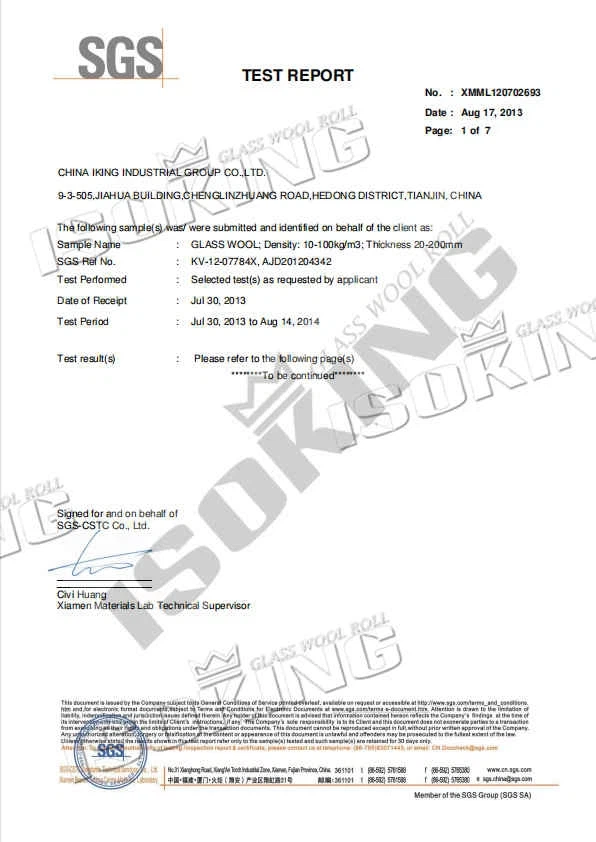
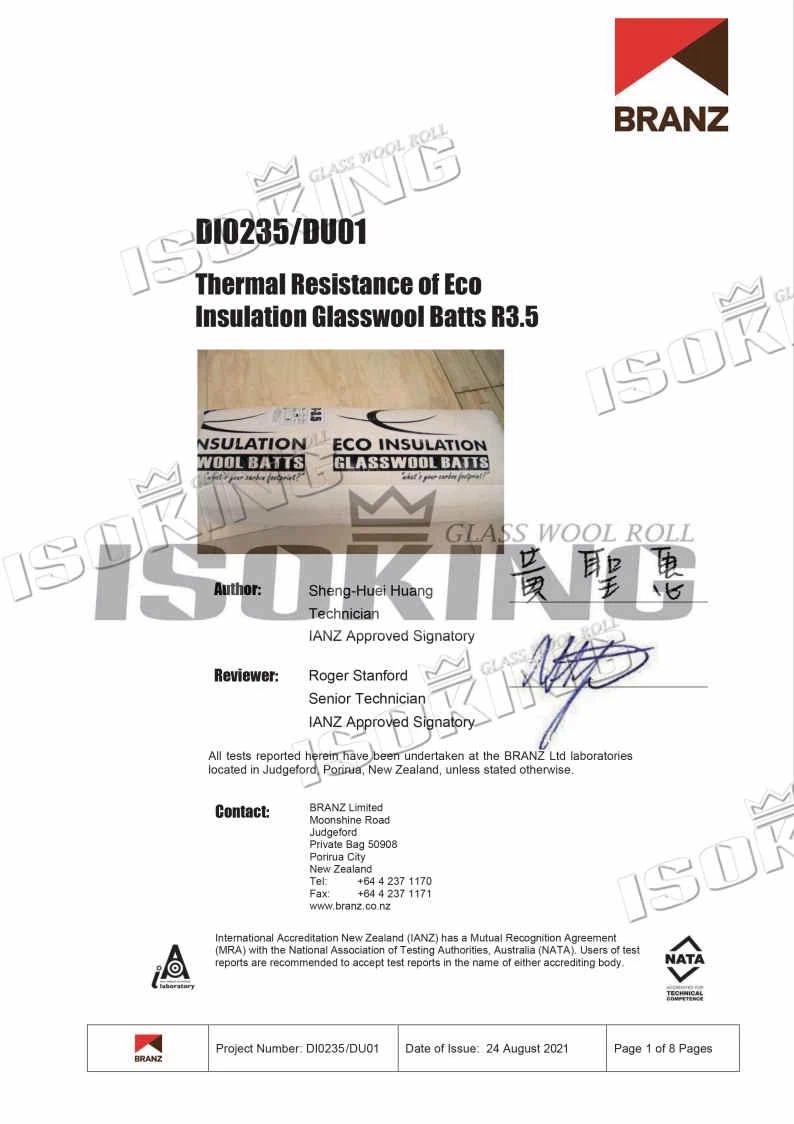
Products Packing
Rolls
Sheets
Custom Sizes Available on Request


FAQ