


What Is Glass Wool Insulation Material?
May 22, 2024
●What Is Glass Wool Insulation
●Is Glass Wool Insulation Safe
●How Much Is Glass Wool Insulation
●How Does Glass Wool Insulation Work
●Is Glass Mineral Wool Environmentally Friendly?
1.What is glass wool insulation
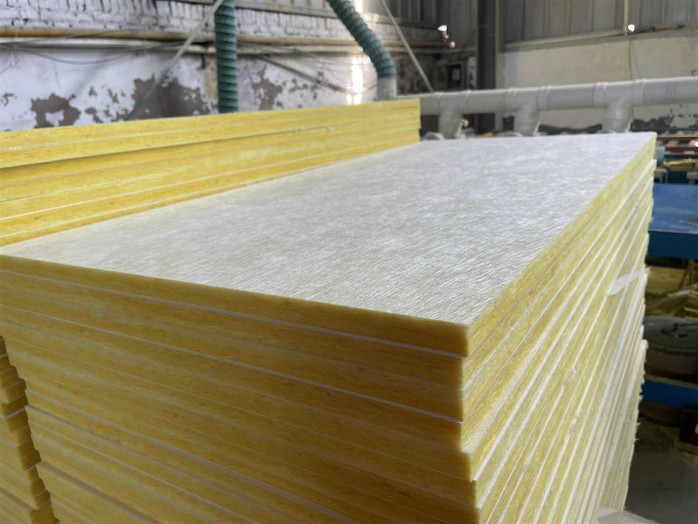
Glass wool, also known as fiberglass insulation, is a fibrous material made from very fine glass fibers. It is one of the most commonly used forms of insulation worldwide, mainly due to its high heat resistance, cost-effectiveness and ease of installation.
The main raw material for the production of acoustic roll insulation is sand, which is one of the most abundant natural resources. However, glass wool is also an environmentally friendly product because it contains large amounts of recycled glass, reducing the need for raw materials and minimizing waste. Other materials may include borax, soda ash, and limestone, which help lower the melting temperature and promote fiber formation.
The production of acoustic glass wool insulation begins with the melting of raw materials. The process involves a mixture of natural and recycled glass, often with up to 75% recycled content, as well as silica sand, soda ash and limestone. These ingredients are melted in a furnace at temperatures in excess of 1500°C until a liquid glass is formed.
This molten glass is then spun into fine fibers using a process similar to making marshmallows. Molten glass is extruded through small holes in a rapidly rotating cylindrical tool called a spinner, forming tiny, intertwined fibers. The fibers are then sprayed with an adhesive, which helps them stick together and maintain their shape as a mat or batting. The fiberglass is then cured in an oven, cut to size and packaged for shipping.
Glass wool insulation is known not only for its thermal insulation properties, but also for its contribution to sustainable building practices. The high content of recycled glass in many glass wool products helps reduce the need for natural resources and lowers the carbon footprint of the manufacturing process. Additionally, the structure of glass wool insulation is engineered to trap air within its fiber matrix, creating dead air spaces that inhibit heat transfer through conduction and convection. This thermal resistance, or R-value, makes glass wool an excellent insulator, effectively reducing heat flow and improving a building's energy efficiency. The energy savings provided by effective insulation of buildings significantly reduce the environmental impacts associated with heating and cooling, helping to reduce overall greenhouse gas emissions.
2.Is glass wool insulation safe
Insulation materials play a vital role in reducing energy consumption, keeping you warm in winter and cool in summer, and improving sound insulation. However, the safety of these materials is critical as their installation in our living or working environments can impact air quality and health. The safety of insulation materials includes not only direct toxicity, but also long-term health effects and environmental impacts. Manufacturers must adhere to strict regulations and standards to ensure that their products are safe to use. Glass wool is made from fiberglass, a fibrous material that is spun into clumps that look somewhat like wool, hence the name. The safety of glass wool insulation has been extensively researched, and it is generally considered safe for use in construction applications for several reasons:
01
Health and Safety Standards Compliance
Glass wool insulation undergoes rigorous testing and must comply with national and international health and safety regulations. These standards ensure that products have minimal impact on indoor air quality and are safe for installation and long-term exposure.
02
Fireproof properties
Glass wool is non-flammable. Its fire-resistant properties make it a safe choice for construction applications where reducing fire risk is critical. This feature ensures that it does not contribute to the spread of fire, providing a vital safety advantage in the event of a fire emergency.
03
Low Volatile Organic Compound (VOC) Emissions
Modern glass wool insulation products have low VOC emissions. This means that once installed, glass wool does not significantly release harmful chemicals and therefore maintains better indoor air quality than some other insulation types.
04
Innovative fiber technology
Recent advances in glass wool insulation include the use of biosoluble fibers, which are less harmful when inhaled. These fibers are designed to dissolve more easily in lung fluid, reducing the likelihood of long-term breathing problems.
Soundproofing rolls and soundproofing glass wool soundproofing materials
Specially designed products, such as acoustic roll insulation and acoustic glass wool insulation, can not only increase a building's thermal efficiency but also significantly improve sound absorption. These products are designed to reduce the transmission of sound between rooms and to exterior walls, providing a quieter, more comfortable living environment. The safety features of these soundproofing products are specifically designed to ensure they are safe to use in a variety of residential and commercial spaces.
3.How much is glass wool insulation
Average Price of Acoustic Glass Wool Insulation
When considering acoustic glass wool insulation, understanding the cost is crucial for budget planning. The price of acoustic glass wool insulation can vary significantly based on the product's quality and insulation properties. For a basic product, the acoustic glass wool insulation price typically ranges from $0.60 to $1.50 per square foot. However, if you opt for higher-end options with superior insulation or a higher R-value, the price can increase to between $1.50 and $3.00 per square foot. It's important to note that these costs usually cover only the materials and do not account for professional installation.

For a typical home project (such as insulating a standard room), you can probably expect to spend $100 to $500 on materials alone, depending on the thickness and quality of the product. Keep in mind that achieving optimal acoustic performance may require a larger investment in quality products.
There are several factors that affect the cost of acoustic glass wool insulation:
Density
The density of glass wool insulation materials plays an important role in its price. Higher density insulation typically costs more because additional material is required to achieve greater sound absorption and heat resistance.
01
Thickness and R-value
The thickness of the insulation and its R-value (a measure of thermal resistance) are key factors in determining its price. Higher R-values indicate better insulation, but often result in increased cost. For soundproofing, thicker layers are usually required, which further affects the overall cost.
02
Brand and quality
Like any product, the brand and quality of soundproof glass wool insulation will affect its price. Products from well-known brands with a reputation for quality may cost more than less well-known brands.
03
Installation complexity
Installation complexity will affect the overall cost of soundproof glass wool insulation. If professional installation is required or special tools and equipment are required, this may increase the overall cost.
04
Purchase Quantity
Buying acoustic glass wool insulation in bulk may result in unit cost savings, as suppliers may offer discounts for larger orders.
05
In addition to the cost of the insulation itself, there are other costs to consider when budgeting for acoustic glass wool insulation:
1. Installation: If you are not installing the insulation yourself, you will need to consider the cost of professional installation. This may vary depending on the complexity of the job and the fees charged by the contractor or installer.
2. Accessories and Tools: Depending on the installation method, you may need accessories such as adhesives, fasteners, and moisture barriers. Additionally, if you install the insulation yourself, you may need to purchase or rent tools, such as utility knives, safety devices, and cutting tools.
3. Shipping and Delivery: If you purchase acoustic glass wool insulation from a supplier, consider shipping and delivery costs, especially for larger orders or bulky materials.

While acoustic glass wool insulation requires an initial investment, it also provides us with some long-term benefits that can lead to cost savings over time:
Energy Efficiency
By regulating interior temperatures and consuming less energy, glass wool insulation can assist in lowering heating and cooling expenses.
Soundproofing
Soundproofing glass wool absorbs sound waves, reducing the spread of noise between rooms or from external sources. This improves comfort and productivity in residential and commercial spaces.
Durability and Longevity
High-quality acoustic glass wool insulation is durable and long-lasting, providing reliable performance for years to come. Investing in high-quality insulation can reduce subsequent maintenance and replacement costs.
4.How does glass wool insulation work
When it comes to building insulation, the materials chosen can significantly impact energy efficiency, comfort, and even the acoustics of the space. Among the various insulation materials available, glass wool insulation stands out for its effectiveness and affordability. But what exactly is glass wool? How does it keep our homes and offices comfortable?
Glass wool's effectiveness in insulating buildings depends on its unique structure and thermal conductivity science. Here's how it works:
- Trapping Air: Glass wool insulates primarily by trapping air within its fibers. Air is a poor conductor of heat, and glass wool minimizes the amount of heat passing through the air by trapping it. The dense fibers form a network of tiny air pockets, and it is these air pockets that give glass wool its high insulating properties.
- Minimizes Convection: In addition to trapping air, the structure of glass wool reduces air movement within the insulation itself. The minimization of airflow within the material reduces the possibility of heat transfer via convection, thereby enhancing its thermal insulation capabilities.
- Limit Radiation: The fibers in acoustic roll insulation also help reduce radiant heat transfer. The small spaces between the fibers scatter radiant heat, causing it to dissipate and lose energy as it attempts to pass through the insulation.
- Dampens Sound: Glass wool has the same properties that make it an effective thermal insulator, which also makes it a good soundproofing material. The tangled web of fibers absorbs and interferes with sound waves, helping to dampen noise inside and outside the building.
Together, these properties make glass wool an excellent thermal insulator, helping to maintain a building's internal temperature, reduce energy consumption, and increase occupant comfort.

Ensure the long-term effectiveness of glass wool insulation materials
To ensure that glass wool continues to function effectively as an insulator for many years, consider the following tips:
1. Correct installation:
Proper installation is critical to maximizing the effectiveness of glass wool insulation. It needs to be cut to fit snugly around corners, edges and between frames. Gaps and compression reduce its insulating properties because they allow heat and sound to pass through more easily. Properly seal gaps and cracks in walls, windows and doors to minimize heat loss and moisture penetration and maximize insulation efficiency.
2. Moisture-proof:
Glass wool is moisture-resistant but not waterproof. Wet insulation loses its insulating properties because water displaces air from the fibers, increasing heat conduction. To maintain the best performance of glass wool, be sure to have adequate ventilation in your attic and crawl space and ensure it remains dry to prevent moisture buildup, which can compromise the integrity of the insulation and lead to mold growth. A vapor barrier helps prevent moisture from entering, and good building design should include adequate ventilation to avoid condensation.
3. Regular inspection and maintenance:
Over time, any insulation will settle or become damaged. Regular inspections of the area where glass wool is installed can help identify and correct any problems such as settling, pest infestation or moisture issues. Replacing or filling in areas where the insulation has become thinner can help maintain its efficiency. So check the insulation regularly for signs of damage, such as compression, moisture intrusion or pest infestation. Address any issues promptly to prevent the situation from getting worse.
4. Combined with other insulation technologies:
To increase energy efficiency, glass wool can be combined with other forms of insulation technology. For example, rigid foam panels installed on exterior walls can supplement the thermal barrier provided by acoustic glass wool insulation on interior walls, creating a more comprehensive insulated envelope.
5.Does glass wool absorb heat?
Acoustic glass wool insulation, also known as fiberglass insulation, is a widely used material in the construction and manufacturing industries due to its excellent thermal insulation properties. But here comes the question: Does glass wool absorb heat? To understand this, we need to delve into the properties of glass wool and the principles behind heat absorption and insulation.
Learn about glass wool
Glass wool is made from glass fibers that are bonded together to create a wool-like texture. These fibers are made by melting glass and then spinning or drawing it into filaments. The final product is a mass of intertwined fibers with many air pockets within the material.
Insulation and heat absorption
Before discussing whether glass wool absorbs heat, it is necessary to distinguish between heat insulation and heat absorption.
Thermal insulation
Thermal insulation refers to the ability of a material to resist the transfer of heat. Good insulation reduces the rate at which heat enters or leaves a space, thus maintaining a more stable internal temperature.

heat absorption
Endotherm refers to the ability of a material to absorb and retain thermal energy. Endothermic materials typically increase temperature as they store energy.

Does glass wool absorb heat?
According to the above definition, we can probably judge that glass wool has thermal insulation properties. It is true, however, that glass wool is primarily known for its insulating properties rather than its ability to absorb heat. Let's understand how it is insulated so that its role in thermal management can be clarified.
Glass wool properties
Low thermal conductivity
Glass wool has a low thermal conductivity, which means it does not conduct heat easily. This property is critical to its function as an insulator. Low thermal conductivity is due to trapped air pockets within the fibers that hinder heat transfer.
High specific heat capacity
The specific heat capacity of a material is the amount of heat required to raise its temperature by a certain amount. Glass wool has a relatively high specific heat capacity, allowing it to absorb large amounts of heat before the temperature rises significantly. This feature helps it effectively stabilize the temperature within the space.
Thermal resistance (R-value)
R-value measures the thermal resistance of a material. Glass wool typically has a high R-value, indicating its effectiveness in resisting heat flow. This makes it an excellent choice for insulating buildings, reducing the need for heating and cooling.
Heat transfer mechanism and the role of glass wool
Heat transfer occurs through three main mechanisms: conduction, convection, and radiation. Acoustic glass wool insulation can minimize the impact of these three aspects:
- Conduction:The structure of glass wool consists of fine glass fibers and air pockets that significantly reduce heat conduction. Air pockets act as barriers to heat flow, and fiberglass inherently has low thermal conductivity.
- Convection:By trapping air within the fibers, glass wool minimizes the movement of air, thereby reducing convective heat transfer. When it comes to insulation, preventing drafts helps maintain a stable internal temperature.
- Radiation:Glass wool also reduces heat transfer through radiation. Some glass wool products are coated with reflective materials that reflect radiant heat, further enhancing their insulation properties.
Practical applications and benefits
- Building insulation:Glass wool is widely used in walls, roofs and floors to provide thermal insulation. By reducing heat transfer, it helps maintain a comfortable indoor temperature, saving energy and improving comfort.
- Industrial insulation:In industrial settings, glass wool is used to insulate pipes, boilers, and other equipment to prevent heat loss and increase energy efficiency.
- Sound insulation:In addition to thermal insulation, glass wool also has sound-absorbing properties, making it a popular choice for soundproofing buildings.

Environmental and health considerations
Modern acoustic glass wool insulation products are made safer and more environmentally friendly. Many manufacturers now produce glass wool with recycled glass content and improved adhesives to reduce dust and skin irritation during installation.
6.Is Glass Mineral Wool Environmentally Friendly?
Glass mineral wool, commonly known as fiberglass insulation, is popular in the construction industry for its excellent thermal and sound insulation properties. But beyond its functional benefits, there is growing interest in knowing whether glass mineral wool is environmentally friendly. This blog explores the environmental aspects of glass wool, details why it is considered environmentally friendly, and examines its advantages and potential disadvantages.
What is glass mineral wool?
Glass mineral wool is an insulating material made from spun fiberglass. The fibers are made by melting glass and stretching it into filaments, which are then bundled together to create a wool-like texture. Due to its effective heat resistance and noise reduction properties, this material is widely used for thermal and acoustic insulation in building construction.
Environmental benefits of glass mineral wool
High recycled content
One of the significant environmental advantages of glass mineral wool is its high recycled content. Many manufacturers use up to 80% recycled glass in their production processes. Not only does this reduce the need for raw materials, it also diverts glass waste from landfill, thereby promoting a circular economy.
01
energy efficiency
Glass mineral wool contributes to significant energy savings in buildings. By providing effective insulation, it reduces the need for heating and cooling, thereby lowering energy consumption and reducing greenhouse gas emissions. This long-term energy efficiency significantly reduces the carbon footprint of glass wool insulated buildings.
02
Durability
Glass wool is very durable and can maintain its insulating properties for a long time. This long life means it doesn't need to be replaced as often, reducing the resources and energy required to manufacture, transport and install new insulation.
03
Non-toxic and safe
Modern glass wool products are designed to be non-toxic and suitable for indoor use. They are treated to minimize the release of dust and fibers, ensuring that when installed correctly they do not pose a health risk to occupants.
04

How glass mineral wool becomes environmentally friendly
- Manufacturing process improvements:Advances in manufacturing technology have made the production of acoustic glass wool insulation more energy efficient. Technologies such as electrofusion and optimized fiber drawing processes reduce energy consumption and emissions during manufacturing.
- Use of renewable energy:Some manufacturers use renewable energy sources, such as wind and solar, in their production facilities. This shift helps reduce the carbon footprint associated with glass mineral wool production.
- Environmentally friendly adhesive:Traditional glass wool uses formaldehyde-based adhesives, which pose environmental and health concerns. However, the industry has moved toward environmentally friendly adhesives that are free of formaldehyde and other harmful chemicals. These adhesives are safer for the environment and human health.