


How To Use And Preserve Glass Wool ?
Sep 20, 2024
● Can glass wool be used in home decoration?
● What are the special features of the environmentally friendly production process of glass wool?
● Analysis of glass wool environmental protection measures
● How to store glass wool under extreme circumstances?
● How to choose glass wool bulk density?
Can glass wool be used in home decoration?
Glass wool can be used in home decoration, mainly because of its excellent thermal insulation, sound absorption and fire resistance. Here is a detailed analysis of how and why glass wool is used in home decoration.
Insulation
One of the main reasons glass wool is used for home decoration is its ability to insulate heat and cold indoors. It is very effective in the following areas:
Walls and ceilings
Glass wool is often installed behind drywall or in attics to maintain indoor temperatures. It reduces heat loss in the winter and keeps indoors cool in the summer, thereby improving energy efficiency.
Flooring
Glass wool insulation is installed under the floor to help maintain a constant temperature and create a comfortable living environment.
Soundproofing
Glass wool has excellent sound absorption properties, making it ideal for homes that require soundproofing. Common uses include:
Wall cavities
Installed between walls to reduce noise transmission between rooms or from external sources such as traffic.
Ceiling panels
Glass wool panels can be placed on the ceiling to attenuate noise coming from upstairs, especially in multi-story buildings.
Music rooms or home theaters
In these spaces, glass wool is used to reduce echo and external noise, thereby improving sound quality.

Fireproof
Glass wool is not flammable, so it is a popular choice for home decoration in areas with strict fire protection requirements. It can be used for
Partition walls
Installing glass wool in partition walls or ceilings can help slow the spread of fire, thereby improving overall safety.
Behind cladding and facades
Glass wool can also be placed behind exterior cladding to prevent fire risks while maintaining a stylish design.
Design Versatility
Decorative Ceiling Panels
Glass wool is often made into panels and covered with fabric or other decorative materials to create stylish acoustic ceilings. These panels are both beautiful and functional.
Wall Treatments
Acoustic glass wool panels are used in high-end interior design projects to blend style and acoustic needs. Some panels are designed to be visible and part of the decor rather than hidden behind drywall.
Under Wallpaper or Cladding
Glass wool can be hidden behind wallpaper or wood cladding, ensuring that thermal and acoustic benefits are achieved without compromising the aesthetics of the home.
Environmental Benefits
Using glass wool in home decoration is environmentally friendly. It is often made from recycled materials such as sand and glass, which contributes to sustainable development. In addition, its energy-saving properties can reduce a home's carbon footprint by reducing heating and cooling costs.
Moisture Resistance
In areas of the house where humidity needs to be controlled, such as basements or bathrooms, glass wool acts as a moisture barrier to reduce humidity problems and prevent mold growth. This makes it a reliable insulation option for homes in humid climates.
Durability
Glass wool has a long lifespan and does not degrade over time, making it a long-term solution for insulation and noise reduction. Once installed, little maintenance is required, which increases its appeal in home applications.
Key considerations
Installation
Professional installation is recommended, as improper handling may result in dust particles causing skin or respiratory irritation. Modern products are often treated to minimize this problem.
Cost
While glass wool is an affordable insulation material, incorporating it into your home decor may involve additional expenses for decorative treatments or specialized installation techniques.
Aesthetic customization
Glass wool can be paired with decorative fabrics, paints, or surface treatments to blend seamlessly with your home design theme.
What are the special features of the environmentally friendly production process of glass wool?

Energy consumption
Energy-saving furnaces: High temperatures are required to melt the raw materials in the production of glass wool, so manufacturers often use energy-saving furnaces to reduce fuel consumption. Modern glass wool plants may use regenerative burners or other heat recovery systems to optimize energy use.
Use of renewable energy: Some plants integrate renewable energy sources, such as solar or wind power, to reduce the carbon footprint of glass wool production.
Raw material recycling
Glass waste recycling: Glass wool is often made from recycled glass, such as post-consumer glass bottles or industrial waste glass. This reduces the demand for raw materials and reduces the environmental impact of mining and material extraction.
Internal waste recycling: Any waste generated during the manufacturing process is usually recycled and put back into the production cycle. For example, glass wool scraps can be re-melted and remade into new products.


Reduced emissions
Low carbon emissions: Advanced furnace technology and energy-saving processes help reduce CO2 emissions. In addition, the use of recycled materials in glass wool production helps reduce the energy required, further reducing emissions.
Filtration and washing technology: Modern factories often use filtration systems to capture and neutralize harmful emissions such as particulate matter, sulfur oxides (SOx) and nitrogen oxides (NOx) to prevent them from being emitted into the atmosphere.
Low VOC content
Low-VOC or zero-VOC adhesives: Traditional glass wool uses adhesives that release volatile organic compounds (VOCs), while environmentally friendly glass wool production tends to use low-VOC or no-VOC adhesives. This helps reduce indoor air pollution and the impact on the environment during production and product use.
Water-based or bio-based adhesives: Some manufacturers have turned to water-based or bio-based adhesives instead of synthetic chemicals to further reduce volatile organic compound (VOC) emissions and improve the environmental credentials of their products.


Environmentally friendly packaging
Recyclable and reduced material packaging: Glass wool is often packaged in materials that are fully recyclable or made from recycled materials. Using compressed packaging minimizes the materials used, thereby reducing the carbon footprint during transportation.
Biodegradable packaging solutions: Some manufacturers use biodegradable or compostable packaging materials to ensure minimal impact on the environment after disposal.
Production process monitoring
Real-time emission tracking: Advanced monitoring systems track emissions and pollutants in real time, enabling rapid adjustments to remain in compliance with environmental regulations. This ensures that the production process remains within safe emission limits.
Automated control systems: Modern glass wool production facilities utilize automated systems to precisely control energy use and material inputs, ensuring efficient use of resources and minimizing waste.
Employee training
Sustainability-focused training: Employees receive sustainable practices training to ensure they understand the importance of reducing waste, conserving energy, and properly handling materials. This includes training on how to operate machines in a way that reduces emissions and energy consumption.
Safety and environmental best practices: Workers are also educated on environmental safety protocols, including how to manage hazardous materials and ensure proper recycling of waste products.
Continuous Improvement
Lean Manufacturing Principles: Glass wool manufacturers use continuous improvement methods such as Lean and Six Sigma to optimize resource use, reduce waste and improve energy efficiency.
Environmental Innovation: Ongoing research and development efforts are aimed at creating more efficient production processes, incorporating more environmentally friendly technologies and finding new ways to recycle materials used in the production process.

Analysis of glass wool environmental protection measures
Glass wool production is an industrial process that is bound to have an impact on the environment, but manufacturers have taken a series of environmental protection measures to mitigate these impacts. The following will analyze these measures in detail from key aspects such as solid waste treatment, energy-saving and emission reduction technologies, stricter environmental standards, air pollution prevention and control, and water environmental impact.
1. Solid waste treatment
- Production waste recycling: One of the main waste materials generated during the glass wool production process is substandard or defective products, as well as excess materials generated by cutting and forming. Most manufacturers recycle these materials into the production line, thereby reducing the demand for new raw materials and minimizing the waste sent to landfills.
- Cullet recycling: Cullet (recycled glass) is a key raw material for the production of glass wool. It not only reduces the demand for virgin raw materials such as sand and soda ash, but also reduces energy consumption because recycled glass has a lower melting temperature than new materials.
- Waste minimization program: Many production facilities implement waste minimization programs aimed at reducing solid waste through improved process control, lean manufacturing principles, and better inventory management. By reducing production waste at the source, the amount of material that needs to be treated or disposed of is minimized.

2. Application of energy-saving and emission-reduction technologies
- Energy-saving melting technology: Melting raw materials to make glass fiber requires a lot of energy. Modern furnaces are equipped with high-efficiency burners, regenerative heat exchangers and waste heat recovery systems, which can capture heat from exhaust gases and reuse it to preheat combustion air or raw materials, thereby reducing overall energy consumption.
- Electromelting technology: Some glass wool manufacturers are transitioning from traditional gas furnaces to electromelting technology, which can significantly reduce carbon emissions, especially when combined with renewable energy.
- Low nitrogen oxide burners: In furnaces that still rely on combustion, low nitrogen oxide (NOx) burners are installed to limit the formation of nitrogen oxide gases, which are harmful pollutants that cause smog and acid rain.
- Energy recovery system: The heat generated during the production process is often reused to power other stages of manufacturing, such as drying or curing, reducing the need for additional energy input.
3. More stringent environmental protection standards
- Compliance with local and international standards: Glass wool manufacturers must comply with increasingly stringent environmental standards, including regulations set by local governments and international agencies. This includes compliance with directives such as the EU REACH (Registration, Evaluation, Authorization and Restriction of Chemicals) and the US EPA (Environmental Protection Agency) Clean Air Act.
- ISO 14001 Certification: Many glass wool manufacturers seek ISO 14001 certification, an internationally recognized standard for environmental management systems. This certification helps organizations systematically manage their environmental responsibilities and improve their overall environmental performance.
- Life Cycle Assessment (LCA): Some companies conduct life cycle assessments to evaluate the environmental impact of their products from raw material extraction to production, use, and disposal. These assessments help identify areas for improvement in energy use, emissions, and waste generation.

4. Air Pollution Prevention
- Advanced Filtration Systems: Fine particulate matter and other air pollutants are generated during the glass wool production process. To address this, manufacturers use advanced filtration and dust collection systems to capture particulate matter and prevent it from being emitted into the atmosphere.
- Reducing greenhouse gas emissions: Some plants are exploring technologies such as carbon capture and storage (CCS) to capture and store carbon dioxide emissions generated during the glass wool manufacturing process. In addition, reducing the use of fossil fuels in furnaces can reduce overall greenhouse gas emissions.
- Low-emission adhesive technology: In the past, the adhesives used in glass wool often contained formaldehyde, which released volatile organic compounds (VOCs) during the production process. Modern glass wool uses low-VOC or formaldehyde-free adhesives to reduce the emission of harmful chemicals into the air.
- Efficient curing process: The curing process hardens the adhesive in the glass wool, and the process is optimized to reduce the emission of VOCs and other pollutants. Use emission-controlled furnaces or curing chambers to manage and filter harmful gases.
5. Water Environmental Impact
- Efficient use and recycling of water: Glass wool production requires water for cooling and cleaning. Many manufacturers have implemented closed-loop water systems that recycle and reuse water, significantly reducing water consumption. This prevents pollution of natural water bodies and reduces the overall water footprint of the factory.
- Water pollution control: Any wastewater generated during the production process must be treated before discharge. Treatment systems may include physical, chemical, and biological processes to remove pollutants such as suspended solids, oils, and heavy metals to ensure compliance with local water quality standards.
- Reducing water use during binder preparation: Improvements in binder formulations have reduced the amount of water required to apply the binder to the glass fiber, thereby reducing water use and lowering emissions of volatile organic compounds (VOCs).

6. Other noteworthy measures
- Reducing harmful chemicals: Many glass wool manufacturers have phased out the use of harmful chemicals, such as formaldehyde-based binders, to improve worker safety and minimize environmental pollution. Safer alternatives are now widely used, further reducing the ecological footprint of production.
- Sustainable Product Design: Glass wool products themselves promote sustainability by providing thermal insulation, thereby reducing energy consumption in buildings and industrial facilities, thereby significantly reducing greenhouse gas emissions.
How to store glass wool under extreme circumstances?
Storing glass wool in extreme conditions requires careful planning to maintain its integrity and performance. Glass wool is a popular insulation material due to its thermal, acoustic and fire-resistant properties, but its performance can degrade if not stored properly, especially in challenging environments.
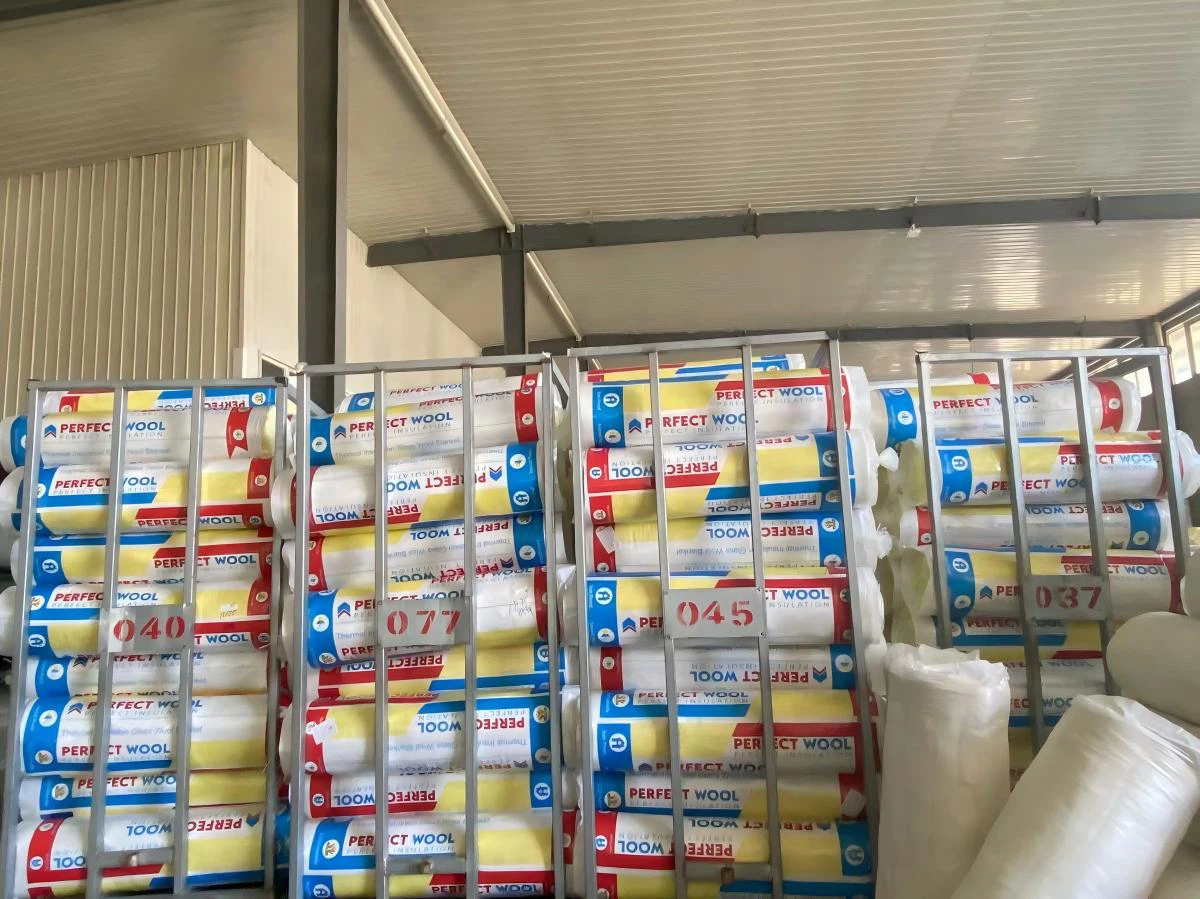
Waterproof packaging: Moisture is one of the biggest threats to the insulation effectiveness of glass wool. When storing in areas with high humidity or contact with water (such as during the rainy season or coastal areas), make sure the material is packaged in waterproof sealed bags. Vacuum seals or moisture-proof packaging can provide additional protection.
Overhead storage: Glass wool should be stored on pallets or racks off the ground to avoid direct contact with water, condensation, or standing water. This is especially important in warehouses or storage facilities where flooding or moisture accumulation may occur.
Ventilated storage space: Store glass wool in a well-ventilated area to reduce the risk of condensation and mold. Ensuring air circulation helps keep humidity low and prevent material damage. Dehumidifiers can also be used in enclosed storage areas to control humidity levels.
Humidity indicator systems: In extreme cases, humidity-sensitive indicators or alarms can be installed in storage facilities to monitor when humidity levels exceed a certain threshold and sound an alarm.


Extremely low temperatures (freezing conditions)
Temperature-controlled storage: In freezing conditions, glass wool can become brittle if exposed to subzero temperatures for extended periods of time. If stored in such an environment, choose a temperature-controlled storage unit or a warehouse where the temperature can be maintained above freezing.
Insulated packaging: Even when stored in a freezing environment, glass wool can be protected with insulating or thermal packaging materials. This reduces exposure to freezing air and helps maintain its flexibility.
Gradually adjust the temperature: If glass wool is stored in freezing conditions and needs to be used in a warmer environment, it should be allowed to acclimate to the new temperature gradually. Sudden temperature changes can cause thermal shock, which can cause the fibers to crack or break.
Health check
UV-resistant coverings: Direct sunlight can deteriorate glass wool over time, causing it to discolor and reduce its insulating properties. When storing in hot climates or exposed areas, be sure to cover the material with a UV-resistant tarp or place it in a container that blocks sunlight.
Cool place: If possible, store glass wool in a cool place away from direct heat sources. Overheating can damage the binders used in glass wool, causing fiber separation and loss of structural integrity.
Avoid stacking in hot environments: In hot areas, avoid stacking heavy glass wool rolls or boards too tightly. High temperatures can cause compression over time, which can reduce the insulating properties of the material.

Dusty, dirty environments
Dust-proof packaging: In dusty or dirty environments, such as construction sites or industrial areas, glass wool should be stored in dust-proof plastic packaging or sealed containers. Dust can penetrate the fibers and reduce the thermal and acoustic insulation efficiency of the material.
Clean, isolated storage areas: Store glass wool in an isolated, clean environment, preferably in an enclosed container or room to prevent dust, dirt, and other contaminants from accumulating on the material.
Earthquake or high vibration areas
Solid, secure pallets: In earthquake-prone areas or areas where high vibrations occur frequently, such as near industrial machinery, glass wool should be stored on solid, stable pallets. Pallets should be reinforced to prevent shifting or tipping during vibration.
Bundled stacking: When stacking glass wool rolls or boards in these areas, secure them with strapping or netting to prevent the material from sliding or falling, which could damage the fibers or cause injury.


Fire-prone areas
Fireproof enclosures: While glass wool is inherently fire-resistant, storing it in flammable areas requires extra precautions. Use fireproof storage rooms or containers to minimize the risk of fire.
Isolation from flammable materials: Keep glass wool away from flammable chemicals, oils, or solvents. Although glass wool is not easily ignited, its adhesives or packaging materials may ignite. Proper isolation reduces the risk of fire.
High wind or outdoor storage
Fixed pallets: In areas exposed to strong winds (such as construction sites, coastal areas, or during storms), secure glass wool on fixed pallets or in locked containers to prevent it from blowing away or being damaged.
Outdoor shelters: If glass wool must be stored outdoors, build a temporary shelter or tent to protect the material from wind and rain. These shelters should be durable and equipped with wind protection to minimize exposure to strong winds.


Handling and Transportation in Extreme Conditions
Proper handling techniques: Careful handling is essential to avoid damage to the material in all extreme conditions. Workers should use proper lifting techniques and avoid dropping or bending the material, as this may compromise its structure.
Vehicles for Specific Conditions: If transporting glass wool in extreme conditions, such as snow, rain, or extreme heat, use vehicles with covered or temperature-controlled compartments to protect the insulation from weather and environmental stresses.
Pest Control
Rodent-proof Storage: In some areas, especially rural or forested areas, glass wool is susceptible to damage by rodents. Store the material in rodent-proof containers or ensure that the storage area is regularly inspected and treated for pests.
Insect-proof Packaging: If glass wool is stored in an outdoor or semi-outdoor environment where it is vulnerable, use insect-proof packaging materials.

How to choose glass wool bulk density?
Selecting the correct bulk density of glass wool is critical to optimizing its performance in thermal insulation, acoustic insulation, and other applications. Bulk density refers to the weight of a material per unit volume (usually expressed in kg/m³). Different densities affect the thermal, acoustic, and mechanical properties of glass wool, so choosing the right density for your project will ensure it meets performance requirements while remaining cost-effective.
Below is a detailed guide on how to choose the right bulk density of glass wool, taking various factors into consideration:
1. Application Type
The first step in choosing the right bulk density is to determine the intended use, as glass wool is used in a variety of industries, each requiring specific performance characteristics.
1.Thermal Insulation: For applications where thermal insulation is important, such as walls, roofs, or HVAC systems, low to medium density glass wool (10-50 kg/m³) is generally sufficient. Low-density materials reduce heat transfer by trapping air in the fibers, providing good thermal resistance (R-value).
● For example: building insulation, roof insulation, pipe insulation.
2.Acoustic Insulation: For sound insulation or noise reduction applications, medium to high density glass wool (40-100 kg/m³) is recommended. Higher density materials absorb sound waves better and are ideal for use in walls, ceilings, and around noisy machinery.
● Examples: movie theaters, recording studios, machinery enclosures.
3.Mechanical or structural support: If the glass wool needs to bear loads or provide structural support (for example, in sandwich panels or industrial applications), high density glass wool (80-150 kg/m³) is required. The higher density ensures that the material retains its shape and integrity under pressure.
● Examples: panels for prefabricated buildings, industrial insulation systems.

2. Thermal performance (R-value)
- The thermal resistance (R-value) of glass wool is an important consideration when choosing its bulk density. The R-value indicates the material's ability to resist heat flow, and the higher the R-value, the better the insulation.
- Lower density (10–25 kg/m³): This is often used in applications where maximum thermal performance is not critical, but cost and ease of installation are important. It is suitable for attic spaces, cavity walls, and roof insulation, which allow for thicker insulation.
- Medium density (25–50 kg/m³): This offers a balance between good thermal and acoustic insulation. It is suitable for areas where space constraints limit insulation thickness and higher R-values are required, such as wall insulation.
- High density (50–150 kg/m³): High-density glass wool is used when there is limited space to insulate but a high R-value is required. Its compact nature provides superior insulation in thinner layers, such as in HVAC systems or high-performance industrial insulation.
3. Acoustic performance
- The density of glass wool plays a role in its ability to absorb sound and reduce noise transmission.
- Low density (<25 kg/m³): This density has minimal sound absorption. While it can still provide some degree of sound insulation, its performance is limited due to its light and fluffy structure.
- Medium density (25–80 kg/m³): This range is ideal for sound absorption. It strikes a balance between flexibility and mass and is effective in reducing airborne noise in residential and commercial buildings.
- High density (>80 kg/m³): For maximum sound insulation, such as in studios or auditoriums, high-density glass wool is best. It effectively absorbs both high- and low-frequency sounds, making it ideal for heavy-duty acoustic applications.

4. Space constraints
- The amount of space available for insulation is another factor that influences the choice of bulk density for glass wool.
- Limited space: If there is limited space to insulate (e.g., thin walls, ducts), high-density glass wool (50-100 kg/m³) is recommended. The higher the density, the thinner the insulation layer can be while still providing the required thermal or acoustic performance.
- Ample space: In areas with more available space (such as attics or external insulation), lower-density glass wool (10–30 kg/m³) can be used. This allows for a thicker layer, achieving the same or better performance than higher-density glass wool at a lower cost.
5. Fire requirements
- Glass wool is naturally fire-resistant due to its non-combustible nature, but its density affects its behavior in extreme temperatures.
- Low to medium density (10-50 kg/m³): These densities are still fire resistant but may not hold their shape or provide the same level of mechanical strength during a fire.
- High density (>50 kg/m³): For applications that require enhanced fire resistance (such as fire doors or industrial fire protection), high-density glass wool is best used because it has better stability and integrity in the event of a fire.

6. Mechanical Strength and Durability
- Glass wool with higher density tends to have better mechanical strength, which is necessary in applications where the material is subject to pressure or vibration.
- Low density (<20 kg/m³): This glass wool is softer and less rigid, making it unsuitable for applications where mechanical durability is critical. It is best used in low-pressure environments such as attic or roof insulation.
- Medium density (20-80 kg/m³): It has medium mechanical strength and is used in building applications that require a certain degree of rigidity and shape stability, such as wall insulation.
- High density (>80 kg/m³): Necessary in applications where the insulation is subject to mechanical stress or load-bearing conditions, such as industrial insulation or sandwich panels.
7. Cost considerations
- Low density: More affordable due to lower material cost and easier handling. However, thicker layers may be required to achieve the desired performance, which may increase material costs if space is limited.
- Medium density: A balance between cost and performance. It provides good thermal and acoustic insulation without the need for thick layers, making it an affordable option for most building applications.
- High density: The most expensive option due to higher material cost and more complex manufacturing process. It is typically used in high-performance or specialized applications that require excellent insulation or mechanical properties.

8. Environmental conditions
- Moisture-prone areas: In areas with high humidity or where there is a risk of water infiltration, medium- and high-density glass wool should be selected because it has better moisture resistance than low-density glass wool. While glass wool does not absorb water, high-density products are less likely to allow moisture to penetrate.
- Extreme Temperatures: For areas with extremely hot or cold temperatures, high-density glass wool can provide superior thermal performance, ensuring energy efficiency and comfort in residential and industrial settings.


