Why Use Glass Wool ?
Oct 10, 2024
● Glass Wool Manufacturing Process
● The Global Importance Of Glass Wool Insulation
● Advantages of Glass Wool Insulation Materials
● About Iking: Chinese glass wool manufacturer
● The Impact of Environment on Insulation Materials
In the continuous updating of the insulation material industry, the quality and cost of insulation materials are the goals that people are constantly pursuing. Among them, glass wool has high competitiveness. Iking group is a trustworthy glass wool supplier in China and has certain advantages in the production and service of glass wool.
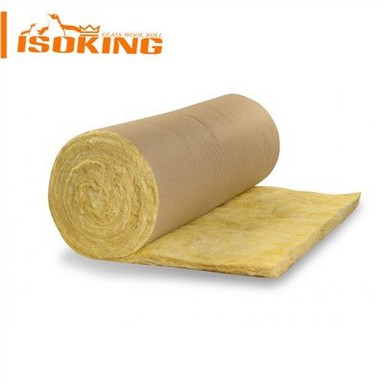
Glass wool is a type of insulating material made from thin, flexible fibers of glass. It is produced by melting glass and then spinning it into fine strands, which are bound together to create a lightweight, wool-like structure.
Glass Wool Manufacturing Process
The manufacturing process of glass wool begins with the careful preparation of raw materials, including silica sand, recycled glass, limestone, and soda ash, which are measured and mixed in specific proportions. This blend is then heated in a furnace at temperatures between 1,400°C and 1,500°C until it melts into a liquid glass. The molten glass is spun or drawn through fine nozzles to create thin glass fibers, which are cooled and shaped by high-speed air jets. A binding agent, typically a thermosetting resin, is applied to the fibers to bond them together into a fluffy, wool-like structure. Afterward, the formed glass wool is cured in an oven to stabilize the fibers. Finally, the glass wool is cut to desired sizes and packaged for distribution, resulting in a versatile insulation material known for its excellent thermal and acoustic properties.
Glass wool works by utilizing its structure of fine glass fibers and trapped air pockets to effectively reduce heat transfer and absorb sound. The material is composed of thousands of tiny glass fibers arranged in a dense, wool-like form. These fibers create air pockets that significantly slow down the movement of heat, making glass wool an excellent thermal insulator. The trapped air limits heat conduction and convection, helping to keep indoor spaces warm in winter and cool in summer, improving energy efficiency.
Additionally, the porous nature of glass wool makes it effective at absorbing sound waves, reducing noise transmission in buildings. This makes it a popular choice for acoustic insulation in homes, offices, and industrial settings. Glass wool is also non-combustible, offering fire resistance, which adds to its safety features. Overall, glass wool's unique structure makes it a versatile material for both thermal and sound insulation in various applications.

The Global Importance Of Glass Wool Insulation
The global glass wool insulation market is on the rise due to the increasing emphasis on energy efficiency and sustainable construction in recent years. Based on reasonable forecasts, this market is expected to reach considerable value by the end of the century, reflecting strong demand in residential, commercial, and industrial sectors.
1. Rising Energy Costs
As energy prices continue to climb, homeowners and businesses are increasingly looking for effective insulation solutions to reduce heating and cooling bills. Glass wool insulation has excellent thermal properties that help maintain comfortable indoor temperatures while minimizing energy consumption. This trend is likely to drive demand for glass wool products in new construction and renovation projects.
2. Stringent Building Codes and Regulations
Governments and regulators around the world are implementing stricter building codes that require higher energy efficiency standards. Many countries are enacting regulations that require buildings to have better insulation materials to achieve sustainable development goals and reduce carbon footprints. Glass wool has excellent insulation properties and meets safety standards, becoming a top choice for builders and contractors.
3. Environmental Awareness
Rising awareness of environmental issues is driving the demand for sustainable building materials. Glass wool is recyclable and is often made from recycled glass, making it attractive to environmentally conscious consumers and builders. The emphasis on green building practices has promoted the adoption of glass wool insulation as part of sustainable construction efforts, further driving market growth.
4. Technological Advancements
Innovations in production processes and product development are improving the performance of glass wool insulation. New formulations improve its heat resistance, fire resistance, and sound insulation, making it more suitable for a variety of applications. Manufacturers are also focusing on making lighter and more flexible glass wool products to expand their availability in construction projects.

5. Growth in construction and renovation activities
The global construction industry is recovering, driven by urbanization and infrastructure construction. The residential and commercial sectors are increasingly adopting glass wool insulation materials in new and renovated buildings to meet energy efficiency standards and improve occupant comfort.
6. Market diversification
While the main application of glass wool is still insulation, manufacturers are exploring new markets and applications, including automotive, aerospace, and industrial uses. This diversification is opening up new sources of revenue and promoting overall market expansion.
Advantages of Glass Wool Insulation Materials
1. Fire Resistance
One of the most significant safety features of glass wool is its inherent fire resistance. Being non-combustible, glass wool can withstand high temperatures without igniting. This property helps to slow the spread of fire, providing valuable time for occupants to evacuate and potentially minimizing property damage. Glass wool meets stringent fire safety standards, making it an ideal choice for building insulation.
2. Thermal Performance
Glass wool is an effective thermal insulator, helping to maintain consistent indoor temperatures and reducing energy consumption. By minimizing heat transfer, glass wool contributes to energy efficiency and lowers heating and cooling costs, enhancing the overall safety and comfort of the living environment.
3. Acoustic Comfort
In addition to thermal insulation, glass wool provides excellent sound absorption properties. Its fibrous structure effectively dampens sound waves, reducing noise transmission between rooms and from outside sources. This acoustic comfort is particularly beneficial in residential buildings, offices, and industrial spaces where a quiet environment is essential for productivity and well-being.
4. Mold and Moisture Resistance
Glass wool is resistant to moisture and does not support the growth of mold and mildew, which can pose health risks. This characteristic enhances the safety of indoor air quality, making glass wool a suitable choice for environments where humidity is a concern, such as basements and bathrooms.

5. Durability and Longevity
Glass wool insulation is designed to be durable and maintain its performance over time. It does not settle or sag, which means it retains its insulating properties for the lifespan of the building. This durability reduces the need for frequent replacements, resulting in lower maintenance costs and a longer-term return on investment.
6. Environmentally Friendly
Many glass wool products are made from recycled materials, contributing to sustainability efforts. The ability to recycle glass wool at the end of its life cycle further supports eco-friendly building practices. By choosing glass wool, builders and homeowners can enhance safety and durability while minimizing environmental impact.
About Iking: Chinese glass wool manufacturer
Founded in 1995, Aike Group is a professional manufacturer and exporter of glass wool, rock wool, ceramic fiber wool, rubber foam insulation materials in China. After 28 years of development, we have strong production capacity and our own brands, which are popular all over the world for high quality and competitive prices.
- Our factory covers an area of approximately 120,000 meters.
- We have 47 production lines with strong production capacity and delivery capabilities.
- High quality products and competitive prices make us popular all over the world.
- We currently have good cooperative relationships with more than 130 countries.
- Our headquarters is located in Tianjin, one of the largest seaports in northern China, which provides a good external environment for the company's development.

1. Effective Thermal Insulation
Glass wool is an excellent thermal insulator, helping to regulate indoor temperatures by minimizing heat transfer. This property makes it ideal for use in residential, commercial, and industrial buildings, leading to significant energy savings by reducing heating and cooling costs.
2. Sound Absorption
The fibrous structure of glass wool provides superior sound insulation, making it an effective choice for reducing noise levels in different environments. It is commonly used in offices, schools, and residential buildings to enhance acoustic comfort, ensuring a quieter and more productive atmosphere.
3. Lightweight and Easy to Handle
Glass wool is lightweight, making it easy to transport, install, and handle during construction or renovation projects. Its lightweight nature allows for efficient installation without requiring specialized equipment, which can help reduce labor costs.
4. Versatile Applications
Glass wool is suitable for a wide range of applications, including wall, roof, and floor insulation, as well as HVAC systems. Its adaptability makes it a preferred choice in various industries, including construction, automotive, and industrial manufacturing.
The Impact of Environment on Insulation Materials
1. Climate Conditions
Temperature Variations
One of the most significant environmental factors affecting insulation materials is temperature. Insulation is designed to reduce heat transfer, keeping buildings warm in winter and cool in summer. In regions with extreme temperature fluctuations, insulation materials must perform effectively under varying conditions. For example, in colder climates, materials such as fiberglass or foam board insulation are favored for their high R-value, which indicates their thermal resistance. These materials help minimize heat loss, keeping indoor spaces comfortable and reducing energy consumption.
Conversely, in hotter climates, insulation materials must limit heat gain to maintain a cool indoor environment. Reflective insulation materials, such as radiant barriers, are effective in hot climates as they reflect radiant heat away from living spaces. The choice of insulation material thus depends on the local climate, necessitating careful consideration to ensure optimal performance throughout the year.
Humidity and Moisture
Humidity levels also significantly influence the effectiveness of insulation materials. In regions with high humidity, moisture can accumulate within insulation, leading to a decrease in thermal performance and the potential growth of mold and mildew. Insulation materials that absorb moisture can become less effective over time, compromising their insulating properties.
To mitigate these issues, builders often opt for moisture-resistant insulation materials, such as closed-cell spray foam or treated fiberglass. These materials help prevent moisture infiltration and maintain the integrity of the insulation system. Additionally, proper ventilation systems are essential in humid climates to control moisture levels and promote air circulation, ensuring that insulation materials perform effectively without compromising indoor air quality.

2. Air Quality
Indoor Air Quality
Insulation materials can have a direct impact on indoor air quality (IAQ). Some insulation products may emit volatile organic compounds (VOCs) or other pollutants that can affect health and comfort. For instance, traditional fiberglass insulation may release tiny glass fibers into the air, leading to respiratory issues for sensitive individuals. Therefore, selecting insulation materials with low emissions and ensuring proper installation is crucial for maintaining healthy indoor environments.
In contrast, natural insulation materials, such as cellulose or wool, tend to have fewer harmful emissions and can contribute positively to indoor air quality. These materials are often treated with fire retardants and pest repellents, ensuring they meet safety standards while remaining environmentally friendly.
Ventilation
Effective ventilation is essential for maintaining good indoor air quality and supporting the performance of insulation materials. Poor ventilation can lead to moisture accumulation, resulting in condensation within insulation systems and promoting mold growth. Proper ventilation strategies, such as using exhaust fans, air exchangers, and ducted systems, can help manage humidity levels and ensure that insulation materials function effectively.
3. Environmental Sustainability
Recyclability
As environmental awareness continues to grow, the demand for sustainable insulation materials is increasing. Insulation products made from recycled materials, such as cellulose or glass wool, help reduce waste and minimize the environmental impact of new construction. Many manufacturers are now focused on creating insulation materials that incorporate recycled content, contributing to a circular economy.
Moreover, the recyclability of insulation materials at the end of their life cycle is becoming a critical consideration. Materials that can be easily recycled or repurposed help reduce landfill waste and conserve natural resources. This shift toward sustainability encourages builders and homeowners to choose eco-friendly insulation options that align with broader environmental goals.
Life Cycle Assessment
Evaluating the environmental impact of insulation materials through a life cycle assessment (LCA) is essential for making informed decisions. LCA considers the energy and resources used in the production, transportation, installation, and disposal of insulation materials. By assessing the full life cycle, builders can choose insulation products with lower embodied energy and carbon footprints, contributing to a more sustainable built environment.

4. Fire Safety
Fire Resistance
The fire resistance of insulation materials is a critical factor influenced by the environment. In areas prone to wildfires or high temperatures, selecting insulation materials that meet fire safety standards is crucial. Insulation products made from non-combustible materials, such as mineral wool or fiberglass, can help slow the spread of flames and enhance the overall fire safety of a building.
Building codes often dictate the fire safety requirements for insulation materials, which can vary by region. Ensuring that insulation materials comply with local regulations is essential for minimizing fire risks and protecting occupants.
5. Regulatory Standards
Building Codes
Different regions have specific building codes and regulations that dictate the type and performance of insulation materials used in construction. These codes often consider environmental factors, ensuring that insulation materials contribute to energy efficiency and safety. Builders must stay informed about local regulations and select insulation materials that comply with these standards.
As governments increasingly prioritize energy efficiency and sustainability, building codes are evolving to include stricter requirements for insulation performance. This shift encourages the adoption of advanced insulation technologies and materials that meet modern energy standards, ultimately benefiting both builders and occupants.
1. Building Insulation
- Walls: Glass wool is widely used for insulating exterior and interior walls in residential, commercial, and industrial buildings. It helps maintain comfortable indoor temperatures and reduces energy costs.
- Roofs: It is applied in roof insulation to prevent heat loss during winter and minimize heat gain in summer, contributing to energy efficiency.
- Floors: Glass wool insulation is also installed in floors, especially in buildings with basements or crawl spaces, to enhance thermal performance and reduce sound transmission.
2. HVAC Systems
- Duct Insulation: Glass wool is commonly used to insulate heating, ventilation, and air conditioning (HVAC) ducts. This helps maintain the desired temperature of air as it travels through the ducts, improving system efficiency.
- Soundproofing: Its sound-absorbing properties make it suitable for insulating HVAC systems, reducing noise from airflow and equipment.

3. Industrial Applications
- Piping Insulation: Glass wool is used to insulate pipes in industrial settings, helping to maintain the temperature of hot or cold fluids and preventing energy loss.
- Equipment Insulation: It is applied to various equipment, such as boilers and furnaces, to improve energy efficiency and protect against heat loss.
4. Acoustic Insulation
- Studios and Auditoriums: Glass wool is often used in recording studios, theaters, and auditoriums for soundproofing and enhancing acoustic quality by reducing sound reflections and echoes.
- Office Spaces: It is utilized in office buildings to create quieter work environments by minimizing noise transmission between rooms.
5. Fireproofing
Fire Barriers: Due to its non-combustible properties, glass wool is used as a fire barrier in buildings to slow the spread of flames and protect structural integrity during a fire.
6. Transportation
- Automotive Industry: Glass wool insulation is used in vehicles for thermal and acoustic insulation, helping to maintain comfortable cabin temperatures and reduce noise from the engine and road.
- Aerospace: In the aerospace industry, glass wool is utilized for insulation in aircraft to enhance thermal performance and reduce weight.
7. Consumer Products
Home Appliances: Glass wool can be found in the insulation of appliances like refrigerators, water heaters, and ovens, helping to improve energy efficiency.