Ceramic Fiber Module Installation
Length x width (mm): 300x300;450x300;600x300
Height(mm): 100;150;200;250;300
- Fast Delievery
- Quality Assurance
- 24/7 Customer Service
Product Introduction
Specifications:
Length x width (mm): 300x300;450x300;600x300
Height(mm): 100;150;200;250;300
Product Description of Ceramic Fiber Module:
IKING GROUP Kingwool ceramic fiber wool module is made from compressed ceramic fiber blanket. The module is specially designed to meet the thermal insulation requirements of industrial furnaces in some special thermal conditions. Iking ceramic fiber module is produced with various anchoring systems to enable quick, easy and efficient installation in most furnace linings. Module linings can increase the furnace productivity and reduce the maintenance costs.
Advantages of Ceramic Fiber Module:
High Temperature Resistance: Ceramic fiber modules can withstand extremely high temperatures, making them ideal for applications in industries such as metallurgy, glass, and ceramics.
Low Thermal Conductivity: They have low thermal conductivity, meaning they effectively minimize heat transfer. This property is crucial for conserving energy and maintaining stable temperatures in high-temperature processes and equipment.
Lightweight: Ceramic fiber modules are lightweight, reducing the overall load on structures and making them easier to handle and install.
Low Heat Storage: They have low heat storage capacity, allowing for rapid heating and cooling cycles without a significant delay. This property is important for applications with fluctuating temperatures.
Thermal Shock Resistance: Ceramic fiber modules are resistant to thermal shock, meaning they can handle rapid temperature changes without cracking or deteriorating, ensuring durability in demanding conditions.
Flexibility and Easy Installation: They are flexible and can be easily cut, shaped, and installed, conforming to the intricate shapes of industrial equipment. This flexibility simplifies the installation process and reduces labor costs.
Chemical Resistance: Ceramic fiber modules are generally resistant to most chemicals, making them suitable for applications where exposure to corrosive substances is a concern.
Fire Resistance: They are inherently fire-resistant and do not contribute to the spread of flames. This property enhances the overall safety of industrial processes and facilities.
Longevity: High-quality ceramic fiber modules have a long service life, providing long-term insulation solutions and reducing maintenance frequency.
Energy Efficiency: By effectively insulating high-temperature equipment and structures, ceramic fiber modules contribute to energy efficiency by reducing heat loss, leading to energy savings and reduced operational costs.
Customizability: Ceramic fiber modules are available in various densities, thicknesses, and sizes. This customization allows them to be tailored to specific industrial applications, ensuring optimal insulation performance.
Acoustic Insulation: In addition to thermal insulation, ceramic fiber modules provide some degree of sound absorption, making them valuable in applications where noise reduction is necessary.
Non-Toxic: Ceramic fiber modules are non-toxic and do not emit harmful fumes or gases when exposed to high temperatures, ensuring a safe working environment.
Application of Ceramic Fiber Module:
Furnaces and Kilns: Ceramic fiber modules are commonly used to line industrial furnaces and kilns in industries such as metal, glass, ceramics, and cement. They provide excellent thermal insulation, ensuring high-temperature stability and energy efficiency in heat treatment processes.
Boilers and Incinerators: Ceramic fiber modules are employed in boilers to insulate walls, doors, and ducts. They also line the combustion chambers of incinerators, ensuring efficient waste incineration by containing and conserving heat.
Petrochemical and Chemical Industries: These modules find applications in high-temperature equipment such as reactors, heaters, and reformers in petrochemical and chemical plants. They provide insulation, enabling efficient chemical reactions and processes.
Steel and Non-Ferrous Metal Industry: Ceramic fiber modules are used in steel plants for ladles, tundishes, and reheating furnaces. In the non-ferrous metal industry, they insulate equipment like aluminum melting furnaces, ensuring proper metal casting processes.
Glass Manufacturing: Ceramic fiber modules line the melting tanks, furnaces, and annealing lehrs in the glass industry. They help maintain high temperatures necessary for glass production while conserving energy.
Power Plants: Ceramic fiber modules are utilized in power plants to insulate components such as boilers, ducts, and stacks. They contribute to energy efficiency by minimizing heat loss and ensuring the optimal performance of power-generating systems.
Coke Ovens: Ceramic fiber modules are applied in coke ovens to insulate the walls and roofs. They withstand the extreme heat during the coking process, enabling the conversion of coal into coke used in steel production.
Foundries: In foundries, ceramic fiber modules insulate coreless induction furnaces, crucibles, and ladles. They ensure consistent and efficient metal melting and casting operations.
Crematories: Ceramic fiber modules are used to line the combustion chambers of crematories. They provide insulation for high-temperature cremation processes, ensuring efficient and controlled operations.
Aerospace Industry: Ceramic fiber modules are employed in aerospace applications, including insulating components in rocket engines. Their ability to withstand extreme heat makes them valuable in aerospace manufacturing.
Heat Treatment Furnaces: Ceramic fiber modules are used in heat treatment furnaces for processes such as annealing, tempering, and quenching of metal parts. They ensure uniform heating and precise temperature control, essential for heat treatment applications.
Refractories: Ceramic fiber modules are utilized in the production of various refractory products. They enhance the thermal insulation properties of refractory linings, ensuring durability and efficiency in high-temperature environments.
Our Services:
1). 24 hours service.
2). Reply email in 8 hours.
3). 10 production lines for fast delivery time.
4). Support factory tours.
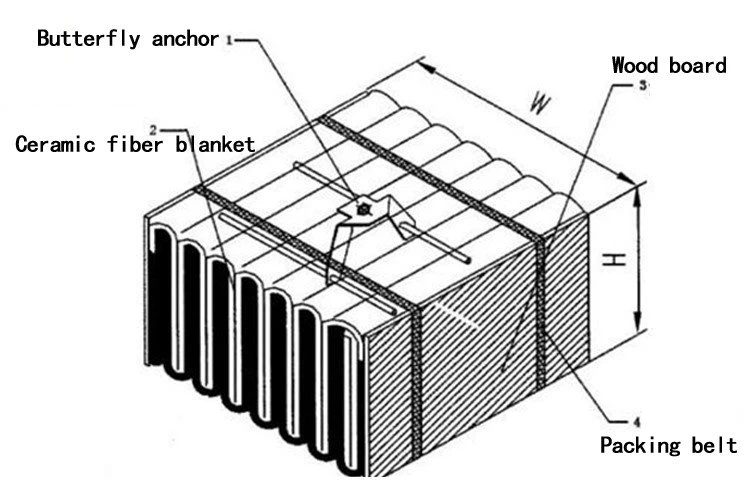
Ceramic Fiber Module Installation Drawings:
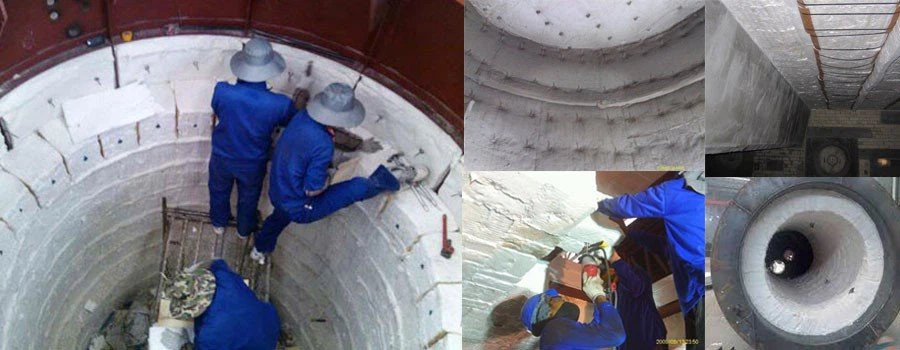
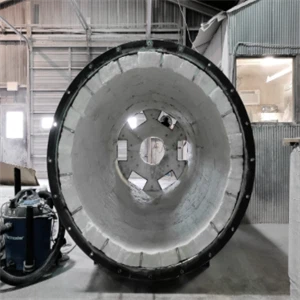
Ceramic Fiber Module Installation Project Photos:


Technical Parameters of Ceramic Fiber Module:

No Information