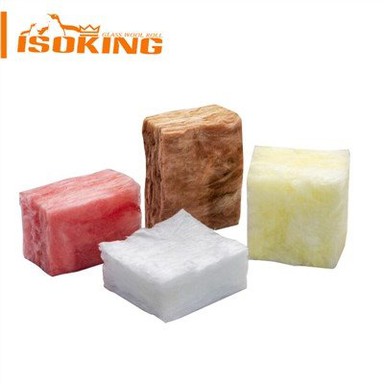
Ceramic Fiber Wool Bulk
The ceramic fiber is manufactured from high purity raw material: alumina powder, silica sand for the high temperature grades and zircon sand is also used.
- Fast Delievery
- Quality Assurance
- 24/7 Customer Service
Product Introduction
Product Description of Ceramic Fiber Wool Bulk:
The ceramic fiber is manufactured from high purity raw material: alumina powder, silica sand for the high temperature grades and zircon sand is also used. The ceramic mixture is heated in a high temperature electric furnace and the stream of molten material is drawn into fibers by either spinning or blowing. It is produced by advanced "blown" and "spun" processes.
Advantages of Ceramic Fiber Wool Bulk:
High Temperature Resistance: Bulk ceramic fiber can withstand extremely high temperatures, making it ideal for applications in industries such as steel, petrochemical, and aerospace, where materials are exposed to intense heat.
Low Thermal Conductivity: Ceramic fiber has low thermal conductivity, meaning it is an excellent insulator. It helps in conserving energy by minimizing heat loss, making it valuable for insulation in industrial furnaces, kilns, and other high-temperature processing equipment.
Lightweight: Ceramic fiber is lightweight, making it easy to handle, transport, and install. This property simplifies the construction and maintenance of industrial furnaces and kilns.
Low Heat Storage: Bulk ceramic fiber has low heat storage capacity, allowing for rapid heat-up and cooldown cycles in industrial applications. This characteristic improves energy efficiency and reduces processing time.
Chemical Resistance: Ceramic fiber is resistant to most chemicals, acids, and alkalis. This resistance makes it suitable for use in environments where exposure to corrosive substances is a concern.
Excellent Thermal Shock Resistance: Ceramic fiber can withstand sudden changes in temperature without cracking or breaking. This thermal shock resistance is crucial in applications where rapid temperature fluctuations occur, ensuring the material's durability over time.
Flexibility: Bulk ceramic fiber is flexible and can be shaped or molded to fit various complex surfaces, providing effective insulation solutions for intricate industrial equipment.
Sound Absorption: Ceramic fiber materials can absorb sound, making them useful in applications where noise reduction is required, such as in industrial facilities or automotive manufacturing.
Non-Combustible: Ceramic fiber is non-combustible and does not contribute to fire hazards. This property is vital in applications where fire safety is a primary concern.
Environmentally Friendly: Ceramic fiber is asbestos-free and safe to use, meeting modern environmental and health standards. Additionally, it can be recycled, contributing to sustainability efforts in various industries.
Versatility: Bulk ceramic fiber finds applications not only in insulation but also in filtration, gasketing, and as a raw material for the production of other ceramic products.
Application of Ceramic Fiber Wool Bulk:
Heat Treatment: It is used in heat treatment equipment such as annealing and tempering furnaces, as well as in the production of metal, glass, and ceramics, to provide uniform and controlled heat distribution.
Foundry and Casting: In foundry operations, ceramic fiber is used to line molds, ladles, and other equipment to maintain high temperatures, enhance casting quality, and reduce energy consumption.
Power Generation: Bulk ceramic fiber is used to insulate various components in power plants, including boilers, steam turbines, and exhaust systems, to improve energy efficiency and reduce heat-related wear and tear.
Petrochemical and Refining: It is employed to insulate pipes, vessels, and equipment in the petrochemical and refining industries to protect against extreme temperatures and improve the safety and efficiency of processes.
Glass Manufacturing: In the glass industry, ceramic fiber is used for furnace linings and crown insulation to facilitate the melting and shaping of glass products.
Aerospace and Automotive: Ceramic fiber finds applications in the aerospace and automotive industries for insulating engine components, exhaust systems, and spacecraft reentry shields due to its lightweight nature and high-temperature resistance.
Acoustic Insulation: Bulk ceramic fiber provides sound absorption properties, making it suitable for noise control in industrial settings, buildings, and transportation applications.
Fire Protection: It is used in fire doors, fire-rated walls, and other fire protection systems to provide heat insulation and protect structural elements from high temperatures in the event of a fire.
Kiln and Pottery: Ceramic fiber is used in the construction of kilns and pottery ovens to maintain high temperatures, improve firing efficiency, and achieve consistent ceramic product quality.
Infrared Heating: Infrared heaters in various industrial processes often use ceramic fiber as a radiant insulation material to focus and direct heat energy.
Chemical Processing: Ceramic fiber is employed in the chemical industry for insulation in reactors, heat exchangers, and other equipment, where exposure to corrosive chemicals and high temperatures is common.
Cryogenic Applications: In cryogenic environments, such as in the liquefied natural gas (LNG) industry, ceramic fiber is used to insulate storage tanks and piping to minimize heat transfer.
Nuclear Industry: Ceramic fiber is used in nuclear facilities for insulating reactors, steam generators, and other components that require temperature stability and radiation resistance.
Our Services:
1). 7*24hours service.
2). Reply email in 10hours.
3). 10 production lines for short delivery time.
4). Support visit factory.
Technical Parameters of Ceramic Fiber Bulk:
Type | COM | STD | HP | HA | HZ |
Classification temp(ºC) | 1100 | 1260 | 1260 | 1360 | 1430 |
(2012℉) | (2300℉) | (2300℉) | (2480℉) | (2606℉) | |
Work temp(ºC) | <1000 | 1050 | 1100 | 1200 | 1350 |
(1832℉) | (1922℉) | (2012℉) | (2192℉) | (2462℉) | |
Color | Pure White | Pure White | Pure White | Pure White | Pure White |
Fiber diameter(um) | 2--3 | 2--3 | 2--3 | 2--3 | 2--3 |
AL2O3(%) | 44 | 45--46 | 47--49 | 52--55 | 39--40 |
AL2O3+SIO2(%) | 96 | 97 | 99 | 99 | ------- |
ZrO2(%) | -------- | -------- | -------- | -------- | 15--17 |
Fe2O3(%) | <1.2 | <1.0 | 0.2 | 0.2 | 0.2 |
Na2O+K2O(%) | ≤0.5 | ≤0.5 | 0.2 | 0.2 | 0.2 |