What Are The Basic Characteristics Of Glass Wool?
Apr 22, 2024
●Is there asbestos in glass wool?
●Is glass wool the same as fibreglass?
●Will the glass wool insulation material be damp?
●Does glass wool conduct electricity?
●Is glass wool used for hot or cold insulation?
●Is thicker glass a better insulator?
1.Is there asbestos in glass wool?
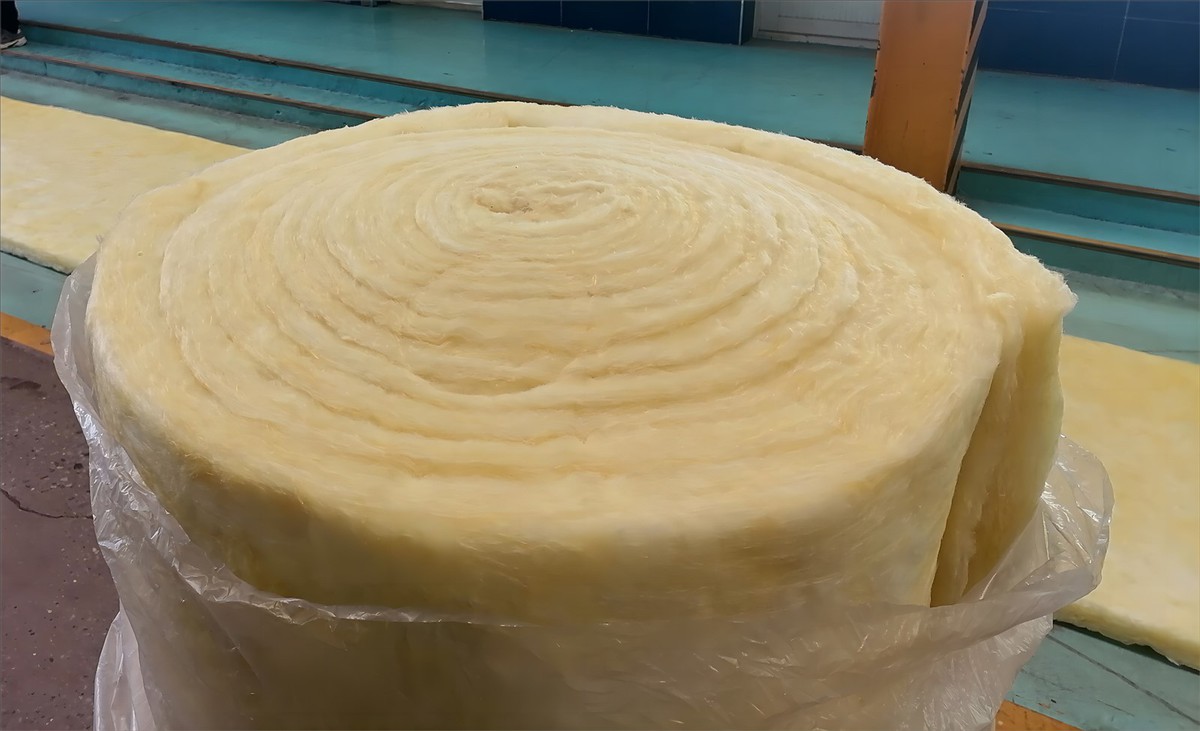
What is glass wool?
Glass wool, also known as fiberglass insulation, is a synthetic material made from a mixture of natural and recycled glass that is converted into fine fibers using modern manufacturing techniques. Due to its excellent insulation and fire resistance properties, it is widely used for thermal insulation, sound insulation, and as a filter in a variety of applications.
Materials used for glass wool
The main components of glass wool are silica sand, soda ash and limestone. These substances are abundant in sources and usually do not cause harm to health after processing. Sometimes glass wool is also infused with recycled glass, which not only makes it environmentally friendly but also effective in terms of thermal insulation properties. The fibers in glass wool are held together using a resin, the composition of which can vary depending on the manufacturer, but is usually a formaldehyde-based resin.
Does glass wool contain asbestos?
It is important to understand that glass wool is naturally asbestos-free. Confusion about glass wool and asbestos may stem from insulation materials used in the past before the health risks of asbestos were widely recognized. Asbestos was commonly used in a variety of building materials, including insulation, until many countries banned it in the late 20th century due to its carcinogenic properties.
Modern glass wool products are manufactured without asbestos. Regulatory standards set by the U.S. Environmental Protection Agency (EPA) and the Occupational Safety and Health Administration (OSHA) strictly monitor and control the use of hazardous substances, including asbestos, in construction materials. Additionally, reputable manufacturers comply with these regulations to ensure that their products are safe and asbestos-free.

Glass wool production process
The production of resin bonded fiberglass wool involves melting raw materials at high temperatures to form molten glass. The molten glass is then spun into fibers using a process similar to that used to make marshmallows. The fibers are coated with a binder, which helps maintain their shape and increase their insulating properties. After the adhesive is applied, the fibers are cured in an oven and then cut into usable forms such as rolls and batting.
2.Is glass wool the same as fibreglass?
The terms "glass wool" and "fiberglass" are often used interchangeably when talking about insulation materials, but this can sometimes lead to confusion. Are they really the same? Next, let us better understand glass wool and fiberglass.
1. Understand glass wool and fiberglass
First, it's important to understand that glass wool and fiberglass are part of the same family of fiberglass materials and are manufactured using similar processes. The main difference usually lies in how the fiber is spun and its specific application in the industry.

2.Materials and production processes
Both glass wool and fiberglass are made from molten glass. This glass is derived from silica sand, soda ash, limestone, and sometimes recycled glass, which is melted at high temperatures to form a liquid. The liquid glass is then spun into fibers using a different process.
For glass wool, the spinning process of the fibers produces small, random, entangled fibers with typical diameters ranging from 5 to 15 microns. The fibers are then sprayed with an adhesive, which helps them stick together in the mat or felt. The final product is lightweight and has a fluffy texture that's perfect for trapping air, making it an effective insulator.
Fiberglass, on the other hand, tends to refer to slightly thicker fibers spun into continuous filaments. These fibers are often woven into fabric-like materials and can be used in more structural applications than glass wool. The fibers in fiberglass are generally smoother and more uniform than those in glass wool, and the product is less fluffy, making it suitable for different types of uses.

3.Characteristics and uses
Glass wool:
Features: non-flammable, good sound insulator, effective heat insulator.
Usage: Mainly used for heat insulation and sound insulation of buildings. It often appears in bats or rolls on attics, walls, and ceilings.
glass fiber:
Characteristics: High tensile strength, relatively rigid, and less compressible than glass wool.
Uses: In addition to being used for insulation, fiberglass is used in a variety of industrial applications. It is used in the production of car bodies, boat hulls, roofs and pipe insulation in HVAC systems.
Although resin bonded fiberglass wool and fiberglass are made from similar materials and similar processes, they are not exactly the same. Differences in fiber thickness, texture, and methods of spinning and using the fiber result in different products suitable for different applications.

3.Will the glass wool insulation material be damp?
Glass wool is a ubiquitous insulation material favored for its thermal and sound insulation properties. It is made from spun fiberglass and is widely used in residential and commercial construction. A common question about insulation materials is their reaction to moisture, as moisture can damage their insulating properties. In this blog we will look at whether glass wool insulation is susceptible to moisture and the effects of this.
Glass wool consists of tiny interwoven glass fibers formed into mats or rolls.
These fibers are non-hygroscopic in nature, meaning they do not readily absorb moisture. However, this does not completely protect glass wool from moisture. The main way moisture affects glass wool is through external exposure, such as leaks or condensation within the building.

Why glass wool usually doesn't get wet

Non-hygroscopic material: As mentioned earlier, the fibers in glass wool do not absorb water. This is because the glass itself is impermeable to water, making glass wool largely resistant to moisture and direct contact with water.
Manufacturing Process: During the manufacturing process, glass wool is often treated with silicone-based products to improve its water resistance.
This treatment helps ensure that water droplets do not stick to the fibers and penetrate the material.
Although glass wool is moisture-resistant, certain conditions may cause it to become damp. Improper installation, building envelope failure, or exposure to sustained high humidity can allow moisture to penetrate or condense within the insulation. If glass wool gets wet, the following will happen:
Reduced thermal insulation efficiency: The moisture in the glass wool fills the air gaps between the fibers, thus ensuring the thermal insulation performance of the glass wool. Water has a higher thermal conductivity than air, so the presence of moisture greatly reduces the material's effectiveness as an insulator.
Potential for Mold Growth: When resin bonded fiberglass wool remains damp for an extended period of time, it can become a breeding ground for mold and mildew. This not only affects air quality but also causes health problems for residents.
Compromised Structural Integrity: Continuous exposure to moisture can cause the adhesive in glass wool to deteriorate, causing damage to its shape and structural integrity. This sagging or compression reduces its insulation coverage and effectiveness.

Precaution
In order to prevent glass wool from getting damp, it is crucial to implement the following protection strategies:
Proper installation: Make sure the glass wool is installed correctly with no gaps or spaces where moist air can penetrate. It should fit snugly between framing members without becoming compressed.
Vapor Barrier: In cold climates, installing a vapor barrier on the warm side of the insulation can prevent the warm, moist air inside the building from condensing within the glass wool.
Check for leaks: Regular maintenance checks and repairs for leaks in the building envelope, such as around doors, windows and roofs, can prevent water from seeping into the insulation.
4.Does glass wool conduct electricity?
Glass wool is a common insulator used in residential and commercial buildings for thermal and acoustic insulation, and its performance is often affected by various issues, one of which is its conductivity. Knowing whether glass wool conducts electricity is critical to ensuring safe insulation practices and determining its suitability for various applications. Here we will take a closer look at the electrical properties of glass wool, exploring the reasons behind its behavior based on its structural characteristics.
Glass wool is made from fiberglass that is spun or blown into large tangles of filaments. These filaments are produced by melting silica sand, soda ash, and other chemical additives at high temperatures to form molten glass. The molten glass is then extruded through a fine nozzle, cooled rapidly, and formed into fibers. The fibers are usually coated with a resin binder and then pressed into rolls or sheets. This unique fiber structure is key to understanding its thermal and electrical insulation properties.
In order to determine whether glass wool conducts electricity, we need to consider the properties of the material it is made of. Glass is the main material of glass wool and is an excellent electrical insulator. This means it does not allow electricity to flow freely. Fiberglass retains this insulating property, which is why glass wool does not conduct electricity.
The reason behind this lies in the atomic structure of glass. Glass is mainly composed of silicon dioxide (SiO2), an amorphous solid. Unlike metals, where electrons can move freely between atoms (promoting conductivity), electrons in glass are tightly bound within their molecular structure, preventing them from moving freely.
The structure of resin bonded fiberglass wool contributes to its effectiveness as an electrical insulator. The tangled and tangled nature of glass wool fibers creates many air pockets within the material. Air is another excellent insulator and increases the overall resistivity of glass wool. Therefore, even if trace amounts of conductive material are present, the discontinuous fiber structure filled with air gaps makes it extremely unlikely for electrical current to pass through the glass wool.

Practical impact
The non-conductive properties of glass wool make it safe to use in electrical applications and building insulation where there may be close contact with wires and components. This feature ensures that there is no risk of electrical short circuits or fires due to the insulation material itself being conductive.
Its current resistance makes it an ideal material for thermal and electrical insulation of buildings, ensuring safety from electrical hazards. For anyone looking to install or replace insulation in an environment involving electrical systems, glass wool provides a reliable and safe option.
Often used for thermal insulation in buildings and various industrial applications, glass wool is a material derived from fiberglass. It is known for its excellent insulating properties, which makes it a popular choice in the construction and manufacturing sectors. A key aspect of understanding the effectiveness of glass wool as an insulator involves examining its internal structure, specifically whether it is porous. In the following, let's delve into the specific structure of glass wool to reveal its properties and the presence of porosity.
The resin bonded fiberglass wool we see every day is made by blowing or spinning molten glass into fine fibers. The fibers are then bonded together using resin to form a mat-like material that can be packaged in rolls or sheets.
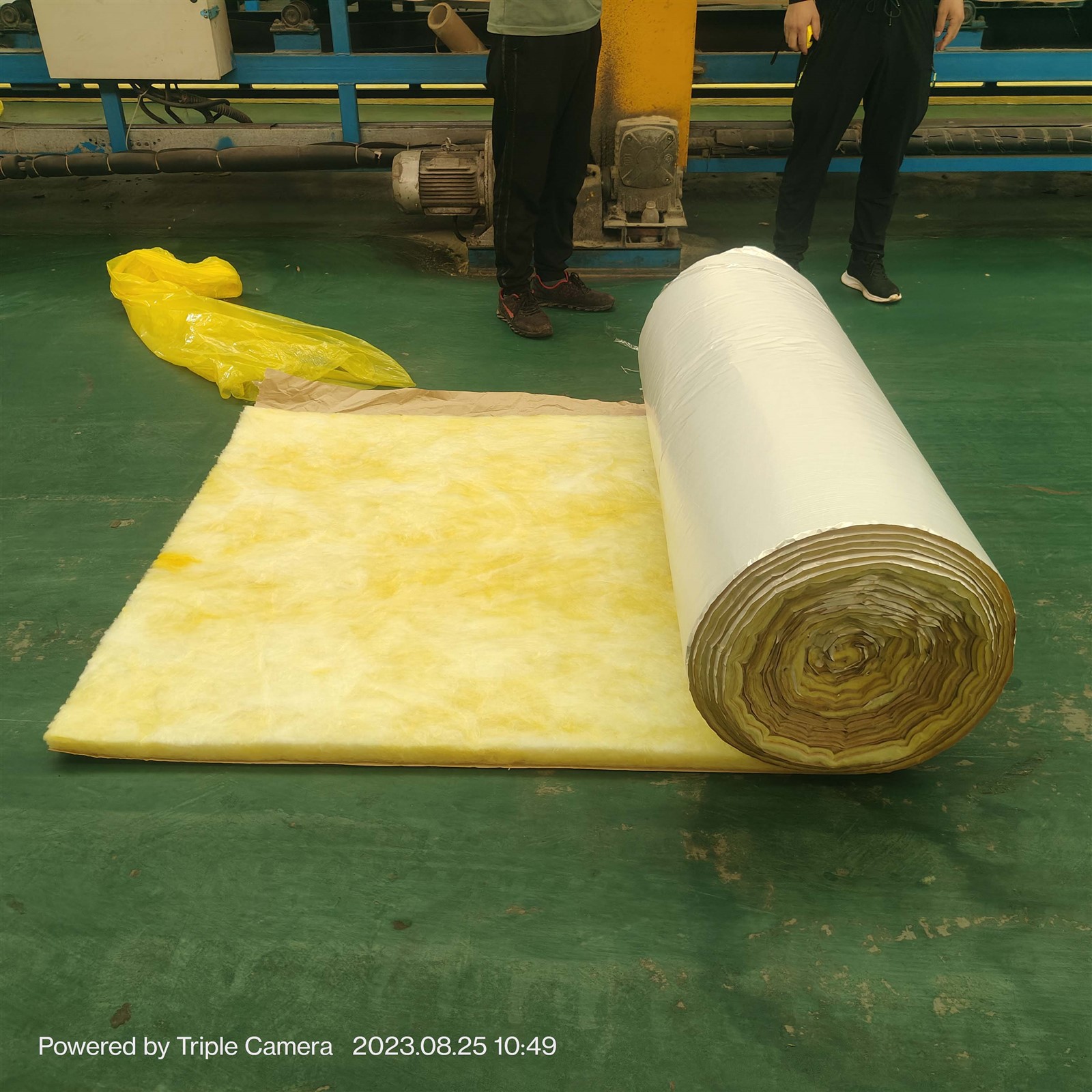
Internal structure of glass wool
The internal structure of glass wool consists primarily of a random network of intertwined glass fibers. This structure is not only random, but also very complex, with countless tiny air pockets sandwiched between the fibers. These air pockets play an important role in the performance of glass wool, especially its ability to insulate.
Porosity of glass wool
Porosity refers to the small pores or voids present within a material. In the case of glass wool, it is considered highly porous due to the extensive network of air pockets that permeate its structure. These air pockets are naturally formed when fiberglass is spun or blown during the manufacturing process. Air is trapped within the fibers, creating voids throughout the material.
Why is porosity important
The porosity of glass wool is critical to its function as an insulator. Air pockets within the material significantly reduce heat transfer, enhancing its insulating properties. Air itself is a poor conductor of heat, and by confining air within its structure, glass wool effectively blocks the flow of heat, helping to maintain temperature stability in the environment in which it is installed.
In addition, the porous nature of glass wool can better exert its sound insulation properties. Air gaps that inhibit heat transfer also help dampen sound waves, making glass wool an effective sound insulator. This dual function is particularly important in building construction, where temperature and sound control are often required.
Effect on humidity and breathability
The porosity of glass wool also affects its interaction with moisture. While fiberglass itself is not hygroscopic and the material is generally waterproof, air pockets can trap moisture, leading to concerns about humidity and condensation issues under certain conditions. However, the breathability provided by its porous structure can also help alleviate moisture issues by allowing some air circulation, thereby preventing moisture build-up.
6.Is glass wool used for hot or cold insulation?
In the field of thermal insulation materials, glass wool stands out for its versatility and efficiency. Commonly used in residential and commercial settings, glass wool is an insulating material that can meet a variety of temperature control needs. But what exactly makes glass wool suitable for both hot and cold insulation? Let's delve deeper into whether glass wool is used for heat or cold insulation and explore the properties that make it a top choice and the benefits it brings.
Learn about glass wool insulation materials
Glass wool, also known as fiberglass insulation, is made from fine glass fibers spun into a lightweight mat. These fibers are held together using adhesives, which give the material its shape and form. The result is a highly efficient insulation material that can be used in a variety of forms, including batts, rolls and loose fill.

Characteristics of glass wool
Thermal Insulating Properties: The main property of glass wool is its excellent ability to limit heat transfer. This property is due to the many tiny air pockets within the glass wool. Air is a poor conductor of heat, greatly enhancing the insulating properties of glass wool by trapping heat or cold depending on the outside temperature.
Density and Thickness: Glass wool comes in a variety of densities and thicknesses and can be selected based on specific insulation requirements. Higher densities generally reduce heat transfer more effectively and help manage more extreme temperatures.
Moisture Resistance: While glass wool itself absorbs very little moisture, ensuring it is installed correctly and sometimes adding a moisture barrier can prevent condensation and moisture penetration, which is crucial in both hot and cold environments.
Hot and cold insulation explained
Glass wool is effective in both thermal and cold insulation applications:
Hot Insulation: In hot climates or industrial environments where equipment operates at high temperatures, glass wool helps retain heat within a system or building. This reduces energy consumption and increases the efficiency of the heating system. By limiting the escape of heat, glass wool ensures economical use of energy and maintains a comfortable indoor temperature without overtaxing the heating system.
Cold Insulation: Conversely, in cold environments, glass wool insulation prevents the transfer of heat from the inside of a home or facility to the outside, thereby maintaining a warm indoor atmosphere. This is particularly beneficial for residential buildings, where preventing heat loss can significantly reduce heating costs and energy use during colder months.
Benefits of using glass wool for insulation and cold insulation
Energy Efficiency: By increasing the thermal efficiency of a building or system, glass wool reduces the need for excessive heating or cooling, thereby lowering energy consumption and utility costs.
Comfort: Whether keeping your space cool in the summer or warm in the winter, glass wool helps create a more comfortable living and working environment.
Environmental Impact: Reducing energy consumption means reducing carbon emissions, which is good for the environment. Using glass wool as an insulator can contribute to more sustainable living practices.
Cost-Effectiveness: Compared to other insulation materials, glass wool is relatively inexpensive and can result in significant savings over time due to reduced energy costs.
Sound insulation: In addition to its thermal properties, glass wool is an effective sound-absorbing material that can reduce noise pollution and improve the acoustic comfort of a space.
Glass wool is a versatile insulation material that can withstand both hot and cold conditions. Its unique structure filled with air pockets makes it an excellent heat transfer barrier regardless of the direction of the temperature gradient. Whether used in industrial applications to control high temperatures or to maintain warmth in residential environments, glass wool offers high performance, comfort and energy efficiency, making it a popular choice for thermal insulation.

Glass wool, also known as fiberglass insulation, is a commonly used material in building construction and is highly valued for its thermal insulation properties. However, one aspect that is often considered when choosing a thermal material is its breathability. This feature can significantly impact the durability of the building structure and indoor air quality. In this blog, we take a closer look at the breathability of glass wool, exploring why it has this property and the benefits it offers.
Understand the breathability of building materials
The breathability of building materials refers to their ability to allow moisture vapor to pass through. It's not about air movement; Rather, it has to do with the material's permeability to water vapor. This feature is crucial as it helps manage moisture levels within the building structure, reducing the risk of condensation and mold growth.
Glass wool composition and structure
Glass wool is made from glass fibers arranged into a wool-like texture. The fibers are held together with adhesives and formed into mats and rolls. The structure of glass wool is key to understanding its breathability. It consists of many interconnected microscopic-level air pockets and gaps that occur naturally due to the fibrous and fluffy nature of the material.
Why is glass wool breathable?
The breathability of glass wool is primarily due to its fiber structure. Air gaps within the material allow vapor molecules to diffuse through them. This spreading occurs because fiberglass itself does not absorb water. Instead, they provide a matrix through which air and moisture can move.
Glass wool typically has a high vapor permeability, which means it allows water vapor to pass through without letting large amounts of water (such as rain) penetrate. This property is especially important in climates where insulation needs to cope with high humidity or significant temperature differences between indoor and outdoor environments.
Benefits of using breathable glass wool insulation materials
Moisture Management: By allowing moisture to pass through, glass wool helps prevent the build-up of condensation within the insulation. This is critical to preventing mold growth and wood rot in building frames, which can compromise structural integrity and indoor air quality.
Enhanced durability: Structures insulated with breathable materials like glass wool are less likely to suffer moisture-related damage. This extends the service life of building components and reduces maintenance costs.
Improves indoor air quality: Breathable insulation reduces the potential for mold growth, helping to create a healthier indoor environment. This is especially important for people with allergies or respiratory conditions.
Energy Efficiency: While the primary function of glass wool is to insulate and prevent unwanted heat transfer, its breathability helps maintain the effectiveness of its insulating properties by preventing moisture accumulation. Dry insulation performs better and retains its heat resistance over time.
Environmental adaptability: The breathability of resin bonded fiberglass wool makes it suitable for various climate conditions. It effectively adapts to seasonal changes, handling internal humidity loads without affecting its insulating properties.
Installation Precautions
While glass wool insulation is naturally breathable, proper installation techniques are critical to maximizing its effectiveness. This includes ensuring a continuous layer of insulation with no gaps or compression, and providing adequate ventilation in the building envelope to allow air circulation.
Additionally, using a vapor barrier or membrane can help control the spread of moisture and prevent excess moisture from entering the insulation. These barriers should be installed on the warm side of the insulation to prevent condensation in cold climates and on the cool side of the insulation in warm climates to prevent moisture penetration.
8.Is thicker glass a better insulator?
When considering insulation materials for a building or renovation project, glass wool is often the first choice due to its thermal and acoustic properties. Understanding how the thickness of glass wool affects its ability to insulate can help you make informed decisions about its use in a variety of applications. This blog explores whether thicker glass wool provides better insulation, the factors that affect its efficiency, and how its insulating strength affects its range of applications.

Glass wool is a fibrous material made by spinning molten glass into filaments that are then made into mats or blankets. It is widely used for thermal insulation, soundproofing, and even filtration processes. The properties that make glass wool an effective insulator are primarily its density, thickness and fiber structure.
One of the key questions about glass wool is whether increasing its thickness will enhance its insulating capabilities. Simply put, to some extent, the answer is yes. Thicker layers of glass wool can trap more air within its fibers, and since air is a poor conductor of heat, this increases the material's overall thermal resistance, often measured as R-value. The R-value indicates a material's ability to resist the flow of heat; a higher value means better insulation.
While thickness plays an important role, it is not the only factor that determines the effectiveness of glass wool as an insulator. Here are some key elements to consider:
- Density: Higher density sometimes means better sound absorption, but can also reduce insulation quality because denser materials can conduct heat more effectively than lighter materials.
- Installation Quality: Even the best glass wool will not perform well if it is not installed properly. Overcompressing a material reduces its thickness, thereby reducing its insulating effectiveness.
- Moisture resistance: Glass wool that absorbs moisture will have its insulating properties significantly reduced because water is a better conductor of heat than air.
- Fiber Diameter: The finer the fibers in glass wool, the more effectively they trap air and increase their insulating capabilities.

The strength of resin bonded fiberglass wool insulation is critical in determining its application. For example, materials with higher R-values are better suited for climates with extreme temperature changes because they can retain heat more effectively in the winter and retain heat in the summer. In industrial settings, glass wool with higher density and thickness can be used to prevent heat loss in pipes and boilers.
Glass wool's versatility makes it suitable for a variety of applications, from residential and commercial buildings to industrial facilities. Its applications range from loft and wall insulation in homes to soundproofing recording studios and thermal insulation in power plants. The choice of thickness and density will depend on specific needs, such as energy saving, noise reduction or temperature control.