Aluminum Cladding Introduction
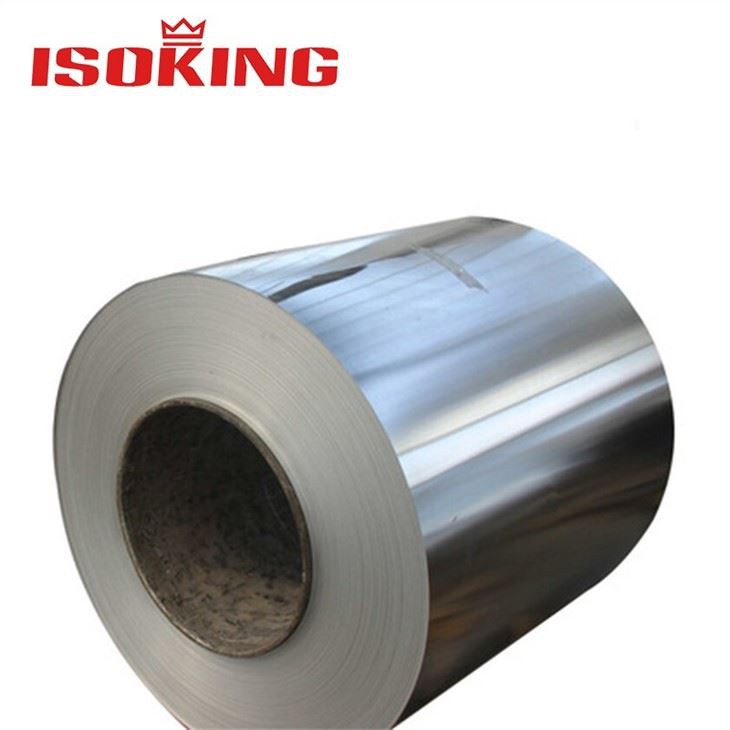
ISOKING ALUMINUM CLADDING INTRODUCTION ISOKING® Aluminum Jacketing is the premier protective outer surface for mechanical insulation systems including pipe, vessels, and equipment.It protects the insulation and underlying pipe/vessel from physical damage, UV exposure, corrosive atmospheres, and...
- Fast Delievery
- Quality Assurance
- 24/7 Customer Service
Product Introduction
ISOKING ALUMINUM CLADDING INTRODUCTION
ISOKING® Aluminum Jacketing is the premier protective outer surface for mechanical insulation systems including pipe, vessels, and equipment.It protects the insulation and underlying pipe/vessel from physical damage, UV exposure, corrosive atmospheres, and water.
SPECIFICATION
A. Alloy Offered: AA 1XXX, AA 3XXX, AA 5XXX, AA 8XXX
B. Temper Offered: O, H12, H14, H16, H18, H26, H46
C. Chemical Composition: The material chemical composition is checked with spectrometer and complies to ASTM B 209M-14 STANDARDS and BS EN STANDARDS.
D. Mechanical Composition: The material mechanical composition is checked with tensile test machine and complies to ASTM B 209M-14 STANDARDS and BS EN STANDARDS.
E. Applicable Standards For MILL FINISH : ASTM B-209M-14 and BSEN For COATED SHEET : ECCA/ASTM
Advantage
Lightweight: Aluminum is a lightweight material, making it easy to handle, transport, and install. This characteristic reduces construction costs and labor requirements.
Durability: Aluminum cladding is highly durable and can withstand harsh weather conditions, such as rain, wind, and UV exposure. It is also corrosion-resistant, which helps maintain its appearance and structural integrity over time.
Low Maintenance: Aluminum cladding requires minimal maintenance. It doesn't rust, warp, or rot, so it doesn't need frequent painting or other upkeep, reducing long-term maintenance costs.
Aesthetic Appeal: Aluminum cladding is available in a wide range of colors, finishes, and textures, allowing architects and designers to achieve various aesthetic effects. It can mimic the look of other materials, such as wood or stone, while retaining the benefits of aluminum.
Insulation Properties: Some aluminum cladding systems come with insulating materials, improving the building's energy efficiency and reducing heating and cooling costs. This feature contributes to environmental sustainability and lower energy bills.
Fire Resistance: Aluminum cladding can be fire-resistant when manufactured with appropriate core materials. This can enhance the safety of the building, especially in fire-prone areas.
Customization: Aluminum cladding panels can be easily cut, bent, and shaped to create custom designs and configurations. This flexibility allows architects and builders to explore innovative and unique architectural concepts.
Eco-Friendly: Aluminum is a recyclable material, making it an environmentally friendly choice. Recycling aluminum is energy-efficient and reduces the environmental impact of construction projects.
Cost-Effective: While aluminum cladding may have a higher initial cost than some other materials, its long-term benefits, including reduced maintenance and improved energy efficiency, can result in cost savings over the building's lifespan.
Rapid Installation: Aluminum cladding systems are designed for quick and straightforward installation, helping to speed up construction schedules and reduce labor costs.
Versatility: Aluminum cladding can be used for a variety of applications, including facades, roofing, wall cladding, signage, and interior decor. Its versatility makes it suitable for both residential and commercial projects.
Resistance to Fading: The finish on aluminum cladding panels is typically resistant to fading, ensuring that the building maintains its appearance over time.
No Information