How to understand rock wool?
Dec 05, 2023
- What is rock wool?
- Are rockwool acoustic panels safe?
- Is rock wool fireproof?
- Can rock wool catch fire?
- Can rock wool burn?
- Can rock wool get wet?
- Does rockwool need a vapor barrier?
- Does rockwool mold?
- Can you reuse rockwool?
- How rockwool is made?
Rockwool: A Natural and Sustainable Insulation Material
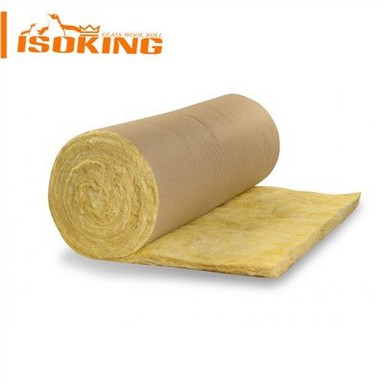
Rockwool, also known as stone wool or mineral wool, is a type of insulation material made from natural rock and recycled steel slag. It has many advantages over conventional insulation materials, such as fiberglass, in terms of thermal performance, fire resistance, sound absorption, water repellency, and environmental impact.
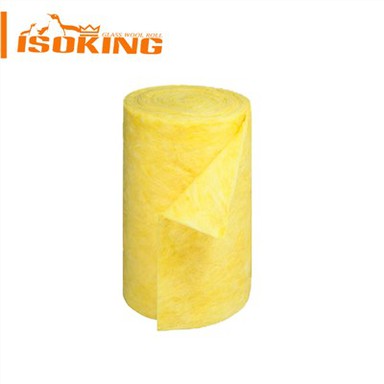
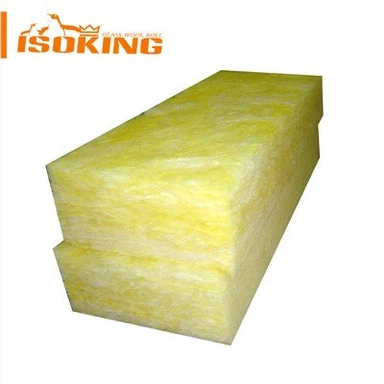
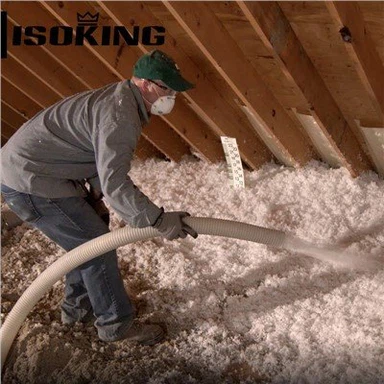
Rockwool is produced by melting basalt rock and steel slag at temperatures above 3,000 degrees Fahrenheit, and then spinning the molten mixture into fine fibers. The fibers are then compressed into dense mats or slabs, which can be cut into various sizes and shapes for different applications. Rockwool can be used to insulate walls, roofs, floors, ceilings, and other spaces in residential, commercial, and industrial buildings.
One of the main benefits of rockwool is its high thermal resistance, which helps to reduce heat loss and energy consumption in buildings. Rockwool has a low thermal conductivity, which means it slows down the transfer of heat between the inside and outside of a building. Rockwool also reduces thermal bridges, which are areas where heat can escape more easily due to the presence of more conductive materials, such as metals. Rockwool can achieve an R-value of up to 4.3 per inch of thickness, which is higher than most fiberglass products.
Another advantage of rockwool is its excellent fire safety. Rockwool is non-combustible and can withstand temperatures up to 2,150 degrees Fahrenheit without melting or releasing toxic gases. Rockwool can also act as a firestop between floors or walls of a building, preventing the spread of flames and smoke in case of a fire. Rockwool has been tested and certified to meet various fire standards around the world.

Rockwool also provides effective sound insulation and noise reduction for buildings. Rockwool has a porous and fibrous structure that absorbs and dissipates sound waves, reducing the transmission of noise from one room to another or from outside sources. Rockwool can help create a quieter and more comfortable living or working environment for occupants.
Rockwool is also resistant to water and moisture, which can cause mold and mildew growth in other types of insulation. Rockwool has a hydrophobic property that repels water and allows moisture to escape from the insulation. Rockwool does not absorb water or lose its shape or performance when exposed to wet conditions.
Finally, rockwool is a natural and sustainable insulation material that contributes to environmental protection and social responsibility. Rockwool is made from abundant and renewable resources, such as volcanic rock and steel slag. Rockwool also contains up to 75 percent recycled content, depending on the product. Rockwool can help reduce greenhouse gas emissions by saving energy and preventing heat loss in buildings. Rockwool can also be recycled at the end of its life cycle.
Rockwool is a versatile and superior insulation material that offers many benefits for building owners, designers, contractors, and occupants. Rockwool can improve the thermal efficiency, fire safety, sound quality, water resistance, and environmental impact of buildings. Rockwool is available in various products and solutions for different applications and needs.
02.Are rockwool acoustic panels safe?
Are Rockwool Acoustic Panels Safe for Your Home Theater?
If you are planning to improve the sound quality of your home theater, you might be considering installing some acoustic panels on your walls or ceiling. Acoustic panels are designed to absorb unwanted sound reflections and reduce reverberation, echo, and noise. They can make a big difference in how you enjoy your movies, music, and games.
But before you buy or make your own acoustic panels, you might be wondering: are they safe for your health and environment? Many acoustic panels are made of mineral wool, also known as rockwool, which is a fibrous material made from melted rocks. Rockwool is widely used for insulation, fireproofing, and soundproofing purposes. But is it safe to have in your home theater?

The short answer is yes, as long as you take some precautions. Rockwool is not carcinogenic, according to OSHA, which regulates occupational safety and health in the US. Unlike asbestos, which is a known cancer-causing agent, rockwool fibers do not stay in bundles when they break apart. They are small enough to be expelled from the lungs if inhaled.
However, rockwool can still cause irritation to the skin, eyes, nose, and throat if exposed to loose fibers. This can happen when handling raw rockwool or cutting it to fit your panels. Therefore, it is recommended that you wear protective gloves, mask, goggles, and clothing when working with rockwool. You should also avoid breathing in dust or fumes from rockwool.
Another way to prevent irritation and exposure is to cover your rockwool acoustic panels with a breathable but tightly woven fabric that will keep the fibers from escaping. This will also make your panels look more attractive and professional. You can choose any color or pattern that matches your home theater decor. Some people also spray their rockwool slabs with diluted PVA glue to reduce fiber shedding.
If you buy premade acoustic panels, you don't have to worry about any of these issues. They are already covered with fabric and sealed with glue. However, some commercial panels may have a fishy smell at first due to the glues used. This can be solved by unwrapping them and letting them air out for a few days before installation.
In conclusion, rockwool acoustic panels are safe for your home theater as long as you handle them properly and cover them with fabric. They are not harmful to your health or the environment and they can improve the acoustics of your room significantly. So go ahead and enjoy your home theater with better sound quality and comfort!
How to Protect Your Building from Fire with Rockwool Insulation
Fire is one of the most serious threats to any building, as it can cause severe damage, injuries, and fatalities. To prevent or reduce the impact of fire, it is important to use proper insulation materials that can resist high temperatures and prevent the spread of flames and smoke. One of the best insulation materials for fire protection is rockwool, also known as stone wool or mineral wool. Rockwool is made from natural rock and recycled steel slag that is melted and spun into fine fibers.

One of the main benefits of rockwool is its high fire resistance, which helps to protect buildings and occupants from fire hazards. Rockwool is made of stone wool fibers that are non-combustible and can withstand temperatures above 1,000°C for extended periods of time. This means that rockwool does not contribute to the spread of fire or the production of toxic smoke in case of a fire. Rockwool also has a low flame spread index, which measures how fast a flame can travel along a material. Rockwool has a flame spread index of 25, which falls into the Class A or Class 1 category, indicating the highest level of fire performance.
Rockwool can also act as a fire barrier between different parts of a building, such as walls, floors, ceilings, and roofs. Rockwool can prevent the passage of flames and smoke through gaps, joints, and penetrations in the building structure. Rockwool can also reduce the risk of fire spreading from one building to another, especially in densely populated urban areas. Rockwool has been tested and certified to meet various fire standards around the world.
In addition to its fire resistance, rockwool also offers other benefits for building owners, designers, contractors, and occupants. Rockwool can improve the thermal efficiency of buildings by reducing heat loss and energy consumption. Rockwool can also provide effective sound insulation and noise reduction for buildings by absorbing and dissipating sound waves. Rockwool is also resistant to water and moisture, which can cause mold and mildew growth in other types of insulation. Rockwool is also a natural and sustainable insulation material that is made from abundant and renewable resources and contains recycled content. Rockwool can help reduce greenhouse gas emissions by saving energy and preventing heat loss in buildings. Rockwool can also be recycled at the end of its life cycle.
Rockwool insulation is not only a great way to protect your building from fire, but also to improve its thermal performance, sound quality, water resistance, and environmental impact. Rockwool can help you save energy and money by reducing heat loss and energy consumption in your building. Rockwool can also help you create a quieter and more comfortable environment by absorbing and reducing unwanted noise in your building. Rockwool insulation is available in various products and solutions for different applications and needs.
Is Rockwool Insulation Flammable? A Guide to Its Fire Safety Features
Can rock wool catch fire? This is a common question that many people have when they are looking for insulation materials for their buildings. The answer is no, rock wool is not flammable and does not contribute to fire spread. In fact, rock wool is one of the most fire-resistant insulation materials available on the market.
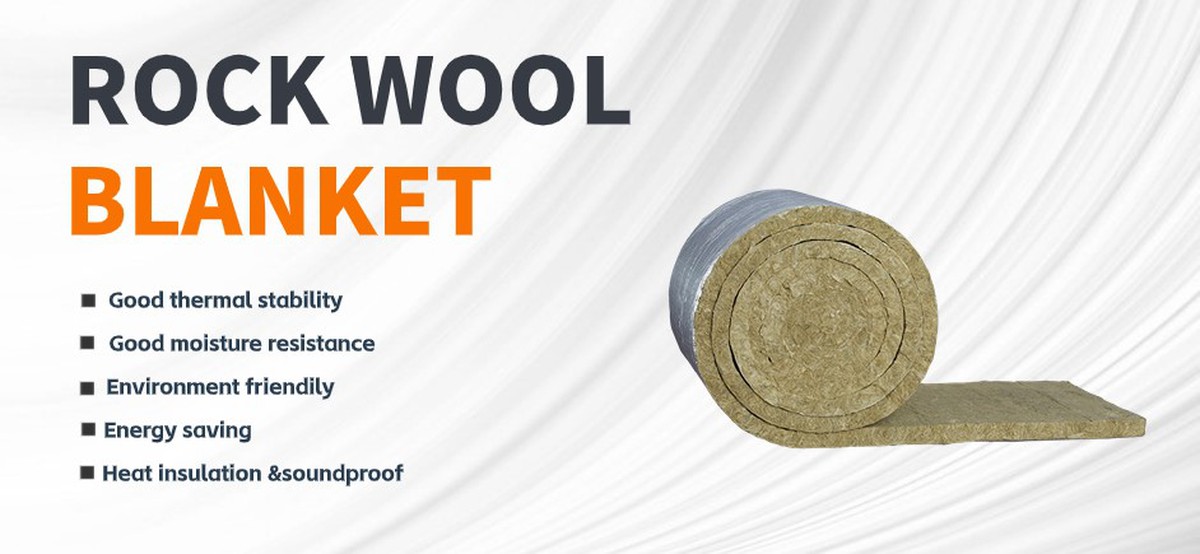
One of the most important features of rock wool is its fire resilience. Rock wool is considered a non-combustible material, which means it has minimal or zero contribution to the spread of fire. Rock wool insulation will not ignite when exposed to flames and can prevent fire from spreading to other materials. By limiting fire spread, rock wool also contributes to ensuring the safe escape of buildings' occupants and first responders' intervention.
Rock wool is more than a fire-resistant material - it is in fact a fire-resilient material, which can hinder the spread of fire, decreasing fire-related damages and the associated environmental, societal, and financial impacts. Fire-resilient materials are key drivers in reducing the major cost of fires, currently estimated at approximately 1 percent of global GDP per year. By minimizing the potential impact of fire, rock wool products also contribute to maintaining a healthy and safe environment.
Rock wool products are tested and certified according to various fire safety standards and regulations. For example, rock wool has a flame spread index of 25 or less, which means it falls into Class A or Class 1 fire rating. This rating is typical for materials that do not burn well and are very unlikely to contribute fuel to a fire. Rock wool also meets the requirements of NFPA 285, a standard test method for evaluating the fire performance of exterior wall assemblies.
Rock wool is widely used in various applications where fire safety is a priority, such as exterior walls, roofs, floors, ceilings, attics, basements, crawl spaces, pipes, ducts, and more. Rock wool can also be used to protect combustible elements as well as steel structures from fire giving residents more time to evacuate the building and firefighters a safer environment to extinguish the fire and rescue people.
Rock wool is a smart choice for anyone who wants to improve the fire performance and energy efficiency of their buildings. Rock wool is not only a fire-resistant material, but also a fire-resilient material, which can reduce the impact of fire on the environment, society, and economy. Rock wool is a natural fire barrier that can help create safer and more resilient buildings.

Rock Wool: A Fireproof Insulation Material
When it comes to choosing insulation materials for your home or building, you may want to consider not only their thermal performance but also their fire safety. Some insulation materials, such as fiberglass or cellulose, can catch fire or melt when exposed to high temperatures, creating a potential fire hazard and compromising their insulating properties. However, there is one insulation material that can resist fire and heat without burning, smoking, or melting: rock wool.
Rock wool is a type of mineral wool insulation that is made from rock fibers, usually from basalt or slag. Rock wool is produced by superheating these materials to over 2,900 degrees Fahrenheit, and then spinning them into thin fibers that are compressed into mats or slabs. Rock wool insulation has many advantages over other types of insulation, such as:
- It can withstand temperatures up to 2,150 degrees Fahrenheit without melting, smoking, or catching on fire.
- It has a low flame spread index of 25, which means it does not contribute to the spread of fire.
- It does not produce toxic gases or smoke when exposed to fire³.
- It is resistant to mold, pests, and chemicals.
- It is a good sound absorber, as it can reduce noise transmission between rooms and from outside sources.
Rock wool insulation is widely used in residential, commercial, and industrial buildings, as well as in marine and offshore applications. Rock wool can provide effective fire protection for walls, ceilings, floors, roofs, pipes, ducts, and electrical cables. Rock wool can also help prevent the spread of fire from one room or building to another, as well as reduce the risk of structural damage and collapse.

However, rock wool insulation also has some drawbacks that you need to be aware of before installing it, such as:
- It is more expensive than other types of insulation.
- It is heavier and denser than other types of insulation.
- It can cause skin irritation and respiratory problems if not handled properly.
- It is not waterproof, and it can lose its insulating properties if it gets wet.
Therefore, it is important to protect rock wool insulation from moisture and water damage by installing a vapor barrier or a waterproof membrane on top of it. It is also important to wear protective gloves, clothing, and masks when handling rock wool insulation, and to dispose of it properly.
Rockwool insulation is a product that combines innovation, sustainability, and safety. It is a fireproof solution that can protect homes and buildings from the devastating effects of fire, while also enhancing their energy efficiency and acoustic quality. Rockwool insulation is a smart investment for anyone who values comfort, security, and peace of mind.
How to Prevent Wet Rock Wool from Ruining Your Insulation?
If you are looking for a way to improve the energy efficiency and soundproofing of your home or building, you may have heard of rock wool insulation. Rock wool is a type of mineral wool that is made from rock fibers, usually from basalt or slag. Rock wool insulation has many advantages over other types of insulation, such as fiberglass or cellulose. Rock wool can withstand high temperatures and fire, and it is also resistant to mold, pests, and chemicals. Rock wool is also a good sound absorber, as it can reduce noise transmission between rooms and from outside sources.
However, rock wool insulation also has some drawbacks that you need to be aware of before installing it. One of the main disadvantages of rock wool is that it is not waterproof. Rock wool is permeable, which means that water and air, as well as water vapor, can pass through it without any resistance. This can cause problems if rock wool gets wet, either from rain, leaks, floods, or condensation. If rock wool insulation gets wet, it can lose its insulating properties, both thermal and acoustic. Wet rock wool can also sag or collapse, causing gaps
and unevenness in the insulation layer.

The good news is that rock wool insulation can recover its original shape and performance if it dries completely. However, this may take a long time, depending on the amount of moisture and the ventilation conditions. Moreover, drying rock wool may not be enough to prevent future problems, as wet rock wool can also create a favorable environment for mold growth and corrosion. Therefore, it is better to prevent rock wool from getting wet in the first place, rather than trying to fix it after the damage has been done.
How can you protect rock wool insulation from moisture and water damage? The best way to do so is by installing a vapor barrier or a waterproof membrane on top of the rock wool layer. A vapor barrier is a thin sheet of plastic or metal that prevents water vapor from passing through. A waterproof membrane is a thicker layer of material that blocks both water vapor and liquid water from reaching the insulation. Both types of barriers can help keep rock wool dry and effective. However, you need to make sure that the barriers are installed correctly and sealed properly, as any gaps or holes can allow moisture to enter.
Rock wool insulation is a durable and effective material that can help you save energy and reduce noise in your home or building. However, you need to be careful about its exposure to moisture and water, as wet rock wool can compromise its quality and performance. By installing a vapor barrier or a waterproof membrane on top of the rock wool layer, you can prevent water damage and ensure the longevity and quality of your insulation. Rock wool insulation is a great choice for many applications, but it needs proper installation and maintenance to achieve its full potential.
07.Does rockwool need a vapor barrier?
How Rockwool Insulation Combines Vapor Resistance and Fire Protection for Homes and Buildings
Rockwool insulation is widely used in residential, commercial, and industrial buildings for its thermal, acoustic, and fire-resistant properties. But how does rockwool insulation deal with water vapor, which can cause mold and mildew growth, and reduce its insulation performance? And how does rockwool insulation prevent the spread of fire and smoke in concealed spaces, which can pose a serious threat to the safety of occupants and firefighters?
According to several sources, rockwool insulation does not need a vapor barrier, as it is naturally resistant to water vapor. Therefore, rockwool insulation does not require a separate vapor barrier to prevent mold and mildew growth or to maintain its thermal and acoustic efficiency.

However, rockwool insulation is not waterproof, which means that it is permeable to water and air, and therefore vapor as well. This means that if rockwool insulation gets saturated with water, it becomes a less effective insulator, both thermally and acoustically. Therefore, it is important to prevent water intrusion and ensure proper ventilation when using rockwool insulation.
In addition to its vapor-resistant qualities, rockwool insulation also has fireproof qualities. Rockwool insulation can prevent the spread of fire and smoke within roof and ceiling voids, by using fire barrier systems that are specially developed to offer easy to install solutions. Rockwool fire barrier systems feature a patented 'Quick Fix' support system, which offers fire resistance of up to 60 minutes. Alternatively, rockwool fire barrier slab can provide fire resistance of up to 120 minutes.
Rockwool fire barrier systems are composed of dense stone wool rolls with an integral wire mesh, which is foil-faced on one or both sides. The high density of the stone wool fibers and the foil facing reduce the passage of smoke and heat through the barriers. The wire mesh provides strength and support for the barriers. The fire barrier systems can be fixed to concrete decks, timber, and steel structures.
Rockwool fire barrier slab comprises a high-density stone wool core which is foil-faced on both sides. Fire barrier slab has been developed to prevent the spread of flames, inhibit heat and smoke through concealed spaces in buildings, and improve sound reduction. Fire barrier slab can be installed by simple butt-jointed and friction fit application.
Rockwool insulation is a product that offers many advantages for homes and buildings. It is a vapor-resistant and fireproof solution that can protect against mold, mildew, fire, smoke, noise, and heat loss. Rockwool insulation is a smart investment for anyone who values comfort, safety, and energy efficiency.
Rockwool Insulation: How It Resists Mold and Mildew in Homes and Buildings
Rockwool insulation is widely used in residential, commercial, and industrial buildings for its thermal, acoustic, and fire-resistant properties. But does rockwool insulation mold, and how does it resist mold and mildew in homes and buildings?
Mold and mildew are types of fungi that can grow on organic materials, such as wood, paper, or fabric. They thrive in warm, moist, and dark environments, and can cause health problems and damage the insulation. Mold and mildew can also reduce the energy efficiency and durability of the building envelope, as they can affect the thermal and acoustic performance of the insulation.
Rockwool insulation is a product that can prevent mold and mildew growth, as it is made of inorganic materials that do not support fungal growth. Rockwool insulation is also water-repellent, which means that it does not absorb water or moisture. If it gets wet, water beads up and rolls off without soaking into the fibers⁴. This makes rockwool insulation resistant to mold and mildew growth, as well as corrosion, rot, bacteria, and insects.
However, rockwool insulation is not waterproof, which means that it is permeable to water and air, and therefore vapor as well. This means that if rockwool insulation gets saturated with water, it becomes a less effective insulator, both thermally and acoustically. Therefore, it is important to prevent water intrusion and ensure proper ventilation when using rockwool insulation.
The good news is that rockwool insulation can recover its insulation performance once it dries completely. Since it is made of rock, it does not degrade or lose its shape when exposed to water. It is also durable and easy to install and can be cut into various sizes and shapes to fit different applications.
Rockwool insulation is a product that offers many advantages for homes and buildings. It is a mold-resistant solution that can protect against fire, noise, and heat loss. Rockwool insulation is a smart investment for anyone who values comfort, safety, and energy efficiency.
Rockwool: A Reusable Insulation Material for Green Buildings

Rockwool is a type of insulation material made from molten rock that is spun into fine fibers and formed into batts, slabs, or boards. It is widely used in buildings for thermal, acoustic, and fire protection purposes. But what happens to the rockwool after a building is demolished or renovated? Can it be reused for another project, or does it need to be landfilled?
The answer is yes, rockwool can be reused for building insulation, but it requires some processing and quality control. Reusing rockwool can help reduce environmental impact and save resources, but it can also pose some challenges to ensure its performance and safety.
According to a website that provides home improvement information and tips, there are several benefits of reusing rockwool for insulation:
- Rockwool is made from natural and recycled materials, such as basalt rock and steel slag, and can be recycled indefinitely without losing its properties.
- Rockwool has excellent thermal resistance, which means it can keep the indoor temperature stable and reduce energy consumption.
- Rockwool has high fire resistance, which means it can prevent the spread of flames and smoke in case of a fire.
- Rockwool has good sound absorption, which means it can reduce noise transmission between rooms or from outside sources.
However, reusing rockwool for insulation also involves some challenges and limitations. There are several steps to follow before reusing rockwool for insulation:
- Remove the old rockwool from the building and transport it to a recycling facility. This can be done by using specialized equipment and vehicles that can handle bulky and heavy materials.
- Sort and clean the old rockwool to remove any contaminants or impurities that may have accumulated over time. This can be done by using mechanical or chemical methods that can separate the fibers from the dirt.
- Reshape and repackage the old rockwool into new products that meet the required specifications and standards. This can be done by using advanced technologies that can melt, spin, cut, and compress the fibers into different shapes and sizes.

Reusing rockwool for insulation is not a common practice yet, as it requires more research and development to optimize the process and ensure the quality of the recycled products. Reusing rockwool for insulation is still a niche market that faces some barriers such as:
- Lack of awareness and demand from consumers and contractors who may prefer new products over recycled ones.
- Lack of incentives and regulations from governments and authorities who may not support or encourage the reuse of insulation materials.
- Lack of infrastructure and facilities that can collect, transport, process, and distribute the old and recycled rockwool.
Therefore, reusing rockwool for insulation is a potential solution for green buildings, but it needs more innovation and collaboration to overcome the obstacles and make it more accessible and attractive. The key is to demonstrate the environmental, economic, and social benefits of reusing rockwool for insulation, as well as to ensure its reliability and safety.
How Rockwool Is Made: The Process and Benefits of Stone Wool Insulation
Rockwool has many applications in various sectors, such as construction, horticulture, and hydroponics. Rockwool has many advantages over other types of insulation, such as fire resistance, water repellency, sound absorption, and durability. It can help improve energy efficiency, fire safety, sound quality, and indoor comfort. But how is rockwool made, and what makes it so innovative and sustainable?
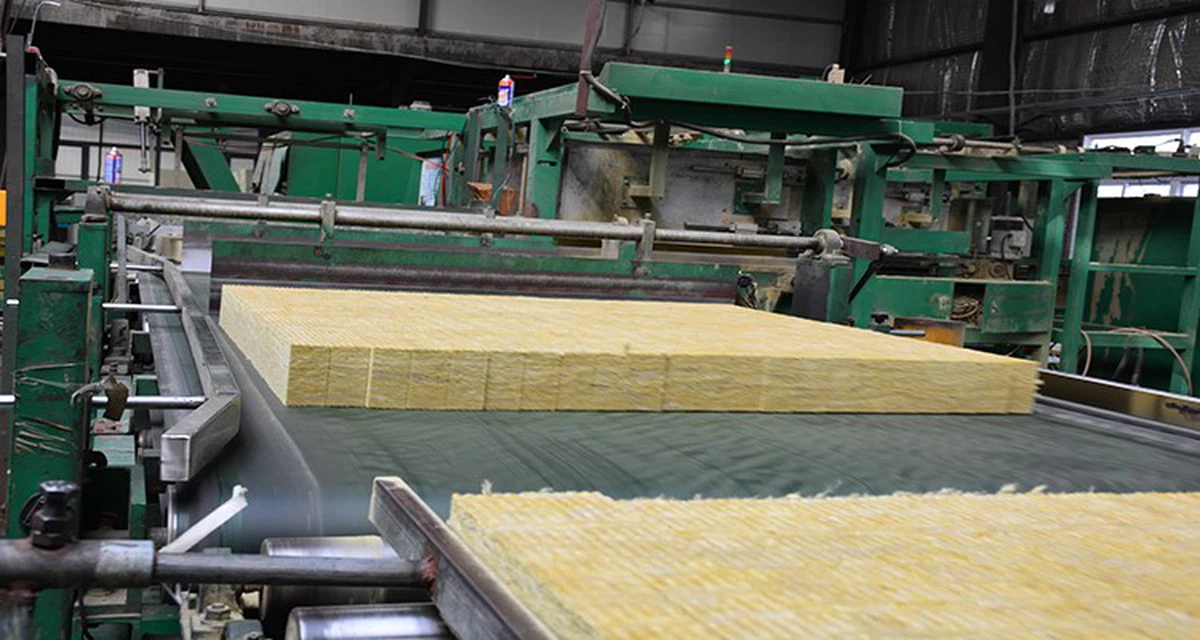
The main ingredients of rockwool are basalt rock and chalk, which are abundant and renewable resources. These materials are melted together in a furnace at temperatures above 2,900 degrees Fahrenheit, forming a molten lava-like liquid. The liquid is then spun into thin fibers using a spinning machine that resembles a cotton candy maker. The fibers are collected and compressed into mats, which are then cut into slabs or rolls of rockwool insulation.
The process of making rockwool is not only environmentally friendly but also beneficial for the quality of the product. By heating the materials to such high temperatures, all organic matter is eliminated, making rockwool resistant to mold, mildew, and pests. By spinning the liquid into fibers, air pockets are created within the product, giving it excellent thermal and acoustic insulation properties. By compressing the fibers into mats, rockwool becomes dense and strong, making it suitable for various applications.
Rockwool insulation can be used in residential, commercial, and industrial buildings, as well as in horticulture and hydroponics. Rockwool can help reduce energy consumption, improve indoor air quality, protect against fire and water damage, and enhance comfort and safety. Rockwool is also easy to install and maintain, as it does not sag, shrink, or deteriorate over time.

Rockwool is a product that is made with stone wool, for people, and by people. It is a product that reflects the natural power of stone, as well as the human potential of innovation and sustainability. Rockwool is a product that enriches modern living in many ways.
Rockwool is a remarkable product that is made from natural and recycled materials. It is a sustainable and effective solution for insulation needs. Rockwool is not only good for the environment but also for the people who use it.