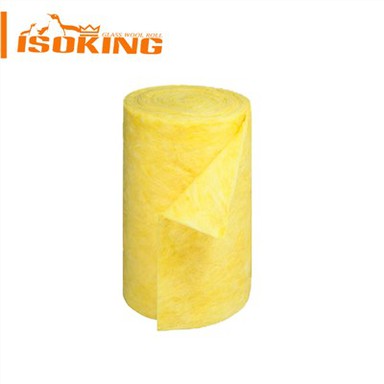
Ceramic Fiber Paper Insulation
(1220) 610*60000*1mm;
(1220) 610*30000*2mm;
(1220) 610*20000*3mm;
(1220) 610*15000*4mm;
(1220) 610*12000*5mm;
- Fast Delievery
- Quality Assurance
- 24/7 Customer Service
Product Introduction
Specifications:
(1220) 610*60000*1mm;
(1220) 610*30000*2mm;
(1220) 610*20000*3mm;
(1220) 610*15000*4mm;
(1220) 610*12000*5mm;
Product Description of Ceramic Fiber Paper:
The ceramic fiber paper consists primarily of high purity alumino-silicate fiber and is made through a fiber washing process. This process controls the content of unfiberized shots to a very minimal level within the paper. Ceramic Fiber Paper features lightweight, structure uniformity and low thermal conductivity, which serve as a perfect solution for high temperature insulation, chemical corrosion resistance and thermal shock resistance. Ceramic Fiber Paper can be used in various types of refractory and sealing applications.
Ceramic Fiber Paper is available in 3 grades with a variety of thicknesses, widths and temperature ratings:
• Standard grade: maximum service temperature of 2300 °F
• Premium grade: maximum service temperature of 2300°F
• Zirconia grade: maximum service temperature of 2600°F
Advantages of Ceramic Fiber Paper:
High Temperature Resistance: Ceramic fiber paper can withstand extremely high temperatures, often exceeding 1000 degrees Celsius (1832 degrees Fahrenheit). This makes it ideal for applications where exposure to intense heat is a concern, such as in furnaces, kilns, and other high-temperature industrial equipment.
Excellent Thermal Insulation: It provides outstanding thermal insulation, reducing heat transfer and maintaining stable temperatures in high-temperature environments. Its low thermal conductivity makes it an effective insulating material.
Low Thermal Mass: Ceramic fiber paper has low thermal mass, meaning it does not store heat for extended periods. This property allows for quick heating and cooling processes, improving overall efficiency in various applications.
Flexibility and Conformability: Ceramic fiber paper is flexible and can be easily cut, folded, and wrapped around complex shapes and equipment. This flexibility allows for easy installation in tight spaces and intricate designs.
Low Heat Storage: Ceramic fiber paper has low heat storage capacity, meaning it heats up and cools down rapidly. This property enables efficient thermal cycling in industrial processes.
Chemical Resistance: It is resistant to most chemicals, acids, and alkalis. This property makes ceramic fiber paper suitable for use in chemically aggressive environments.
Resistance to Thermal Shock: Ceramic fiber paper can withstand rapid changes in temperature without cracking or breaking. This resistance to thermal shock ensures reliability in applications where temperature fluctuations are common.
Sound Absorption: Ceramic fiber paper has good sound-absorbing properties, making it useful in applications where noise reduction is desired.
Electrical Insulation: Ceramic fiber paper is an excellent electrical insulator, making it suitable for applications where electrical conductivity needs to be minimized.
Easy to Handle: Ceramic fiber paper is lightweight and easy to handle, making it convenient to work with during installation and maintenance.
Customizable: It can be cut and shaped to fit specific applications and requirements, allowing for flexibility in design and installation.
Environmentally Friendly: Ceramic fiber paper is made from natural materials and does not contain harmful substances. It is safe for the environment and can be recycled, reducing its environmental impact.
Non-Combustible: Ceramic fiber paper is non-combustible and does not contribute to the spread of fire, making it suitable for fire-resistant applications.
Application of Ceramic Fiber Paper:
Furnace and Kiln Linings: Ceramic fiber paper is used to line the walls and roofs of industrial furnaces and kilns. It provides insulation, reducing heat loss and improving energy efficiency. The paper is easily shaped and conforms to the contours of the furnace, making it an ideal choice for insulating complex shapes.
Gaskets and Seals: Ceramic fiber paper is often used as gaskets and seals in high-temperature applications. It provides a flexible and heat-resistant barrier between joints and surfaces, preventing heat loss and ensuring a tight seal.
Expansion Joints: In industrial settings, ceramic fiber paper is used in expansion joints to allow for thermal expansion and contraction in pipes and ducts. It provides insulation while accommodating movement, preventing leaks and maintaining efficiency.
Wrapping and Insulation: Ceramic fiber paper can be wrapped around pipes, tubes, and equipment to provide thermal insulation. It is used in various industries to reduce heat loss and maintain stable temperatures in piping systems and machinery.
Casting and Molding: Ceramic fiber paper is used in foundries and metal casting operations as a lining material for molds and patterns. It provides insulation, allowing for controlled cooling and solidification of molten metal.
Fire Protection: Ceramic fiber paper is used in fireproofing applications, such as in the construction of fire doors, fire curtains, and fire-resistant barriers. It helps delay the spread of flames and maintains structural integrity in case of a fire.
Automotive and Aerospace: In the automotive and aerospace industries, ceramic fiber paper is used for heat shielding applications. It provides thermal insulation in components like exhaust systems, ensuring that excessive heat does not damage surrounding parts.
Electrical Appliances: Ceramic fiber paper is used in electrical appliances, such as ovens and stoves, to provide insulation and prevent heat transfer to the outer surfaces. It helps maintain high temperatures inside the appliances while keeping the exterior cool to the touch.
Soundproofing: Ceramic fiber paper is used in acoustic panels and barriers for soundproofing applications. Its sound-absorbing properties help reduce noise levels in buildings, industrial facilities, and transportation vehicles.
Insulating Pads: Ceramic fiber paper is often used as insulating pads in various equipment and machinery to reduce heat transfer and provide thermal protection.
Laboratory Equipment: Ceramic fiber paper is used in laboratories for insulation in high-temperature applications, such as lining furnace walls and trays.
Hobbies and Crafts: Ceramic fiber paper finds use in hobbies and crafts, especially in pottery and glassworking. It is used as a mold liner and in the construction of kilns for small-scale artistic creations.
MAIN PROPERTIES of Ceramic Fiber Paper:
Physical Properties | STD PAPER | KINGWOOL PAPER |
Classification temperature°C | 1260 °C | 1400 °C |
Chemical composition (%) (IS:12107 / XRF) | ||
Al2O3 | > 42 | > 32 |
SiO2 | < 56 | < 52 |
ZrO2 | --- | < 19.5 |
Loss on ignition % | < 10 | < 10 |
Tensile strength (Kgf/m2) (ENV 1094-7) | 9000 | 9000 |
Linear shrinkage % - 24 hrs (Max) (ENV 1094-7) | 2.0 (At 1100°C) | 2.0 (At 1200°C) |

No Information