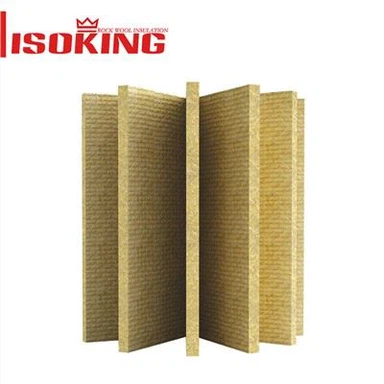
What Should We Pay Attention To About Glass Wool?
Jul 18, 2024
● Is glass wool used in refrigerator?
● Is Rockwool and Glasswool the same?
● How long does glasswool last?
Glass Wool Basics
Glass wool is a fibrous insulation material made from molten glass that is spun or drawn into fine fibers. The resulting material resembles wool, hence the name. It is prized for its ability to trap air within the fibers, providing excellent insulation.

Production Process
One of the key technologies in glass wool production is centrifugal technology.
- Melting: Raw materials such as silica sand, recycled glass, limestone, and other additives are placed in a furnace and heated at extremely high temperatures, usually over 1,400°C (2,552°F), until they are melted.
- Fiber Formation: The molten glass is then fed into a centrifugal spinner, where it spins at high speeds. This action forces the molten glass through the spinner's fine holes, forming long, thin fibers.
- Bonding and Curing: These fibers are then sprayed with a binder, usually a resin, to bind them together. These fibers are collected on a conveyor belt to form a mat. This mat is then fed into an oven, where the binder cures, solidifying the structure.
- Cutting and Forming: After curing, the glass wool is cut into various shapes and sizes depending on its intended use.
Shapes and forms of glass wool
Glass wool comes in a variety of forms, each tailored for a specific use:
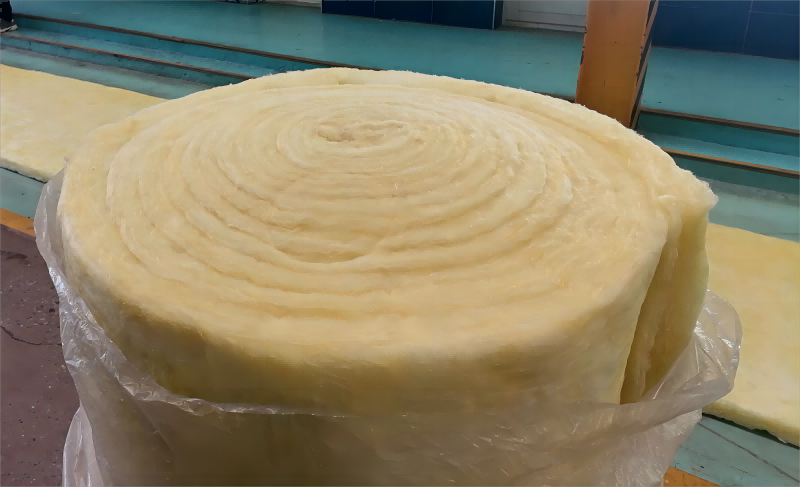
- Batts and rolls: These are common forms of building insulation. Batts are pre-cut panels, while rolls are long sheets that can be cut to fit any space. Both are easy to install in walls, attics, and floors.
- Loose fill: This fill consists of small pieces or particles of glass wool that can be blown into a space using special equipment. It's great for filling irregular or hard-to-reach areas.
- Blankets: Similar to rolls, blankets are large sheets of glass wool that can be wrapped around pipes, ducts, and other structures.
- Panels and sheets: Rigid or semi-rigid panels are used to insulate flat surfaces and provide sound insulation for walls and ceilings.

Veneers and veneers
To enhance the functionality and durability of glass wool, a variety of finishes and overlays are available:
- Foil facing: Aluminum foil facing is often used to provide a vapor barrier, reflecting radiant heat and enhancing the thermal performance of the insulation.
- Kraft paper: Kraft paper overlays are often used to improve handling and provide a moisture barrier in residential insulation applications.
- Plastic film: Plastic facings provide moisture resistance and additional durability, making glass wool suitable for applications where exposure to moisture is a concern.
The structure of glass wool
The structure of glass wool is critical to its performance and includes several key ingredients:
- Fiber composition: Glass wool is made of countless fine glass fibers randomly interwoven. This fibrous structure creates a large number of air pockets, which are critical to its insulating properties.
- Adhesive: The adhesive used in glass wool holds the fibers together, providing structural integrity and stability. The adhesive is usually a resin that is cured during the manufacturing process.
- Air pockets: The fibers are entangled with each other, forming countless tiny air pockets inside the material. These air pockets trap air, which is a poor conductor of heat, significantly reducing heat transfer through the material.
- Surface Treatment: The outer surface of glass wool can be treated or covered with various materials to enhance its properties, such as being waterproof, fireproof or easy to handle.

Glass wool applications
Glass wool can be used for a variety of purposes due to its special qualities.
- Building Insulation: In order to save energy costs and maintain pleasant interior temperatures, glass wool is used to insulate the walls, roofs, floors, and attics of residential, commercial, and industrial buildings.
- Soundproofing: Because of its capacity to absorb sound, it's a great material for acoustic panels and other soundproofing materials used in theaters, workplaces, and recording studios.
- Industrial Insulation: Glass wool offers energy efficiency and thermal protection when used to insulate pipes, ducts, and other industrial equipment.
- HVAC Systems: By insulating HVAC ducts with glass wool, you can lower energy expenditures and increase system performance by preventing heat gain or loss.
2.Is glass wool used in refrigerator?
Glass Wool In Refrigerator
Glass wool is indeed used in refrigerators, mainly because of its excellent insulating properties. Refrigerators require effective insulation to keep the internal temperature constant and prevent heat exchange between the inside of the appliance and the surrounding environment. The following are the contributions of glass wool to refrigerator efficiency:
- Thermal Insulation: Glass wool has low thermal conductivity, which means it can significantly reduce the rate of heat transfer. This feature helps maintain low temperatures inside the refrigerator, ensuring that food and other perishable items stay fresh for a longer period of time.
- Energy efficiency: By reducing heat transfer, glass wool helps your refrigerator run more efficiently. This insulation minimizes the load on your refrigerator's compressor, thereby lowering energy consumption and reducing your electricity bill.
- Durability: Glass wool is moisture-proof, mildew-proof and mildew-proof, making it an ideal material for use in humid environments in refrigerators. Its durability ensures that the insulation remains effective for the life of the refrigerator.
- Fire resistance: Glass wool is non-flammable and resistant to high temperatures, adding extra safety to household appliances such as refrigerators.
Glass Wool in Furniture
Glass wool is best known for its use in appliances and construction, but it also plays an important role in furniture manufacturing. Here are some examples and benefits of using glass wool in furniture
Cushioning and Filling
Glass wool can be used as filling for a variety of furniture, such as sofas, chairs, and mattresses. Its soft, flexible properties provide comfortable cushioning and adapt to the user's body shape.
Durability
Glass wool is resistant to moisture, mildew, and insects, ensuring long-lasting use. Furniture made with glass wool fillings will retain its shape and comfort for a long time, reducing the need for frequent replacement.
Safety
The fire-resistant properties of glass wool add an important safety feature to furniture, reducing the risk of fire accidents and improving overall safety.
Noise Reduction
Glass wool has excellent sound insulation properties, making it an ideal choice for furniture designed to create a quieter, more peaceful environment, such as office partitions and acoustic panels.
Energy Efficiency
By improving the thermal insulation of furniture, glass wool can improve the energy efficiency of buildings, helping to maintain comfortable indoor temperatures and reduce reliance on heating and cooling systems.
Lightweight and easy to handle
Glass wool is lightweight and easy to carry and install on furniture. This feature is beneficial to the manufacturing process, and ease of use can increase production efficiency and reduce labor costs.
Examples of Glass Wool in Furniture
- Sofas and Armchairs: Glass wool is used as padding in sofas and armchairs to provide comfortable seating. Its ability to conform to the shape of the body while retaining its shape makes it an ideal material for high-quality furniture.
- Office Partitions: In open-plan offices, glass wool is often used in partitions to reduce noise and create a more conducive working environment. The sound-isolating properties of glass wool help to provide privacy and minimize distractions.
- Mattresses: Some mattress manufacturers use glass wool to improve comfort and support. The insulating properties of this material also help maintain a constant temperature, which improves sleep quality.
- Acoustic Panels: Glass wool is often used in acoustic panels in home theaters, recording studios, and office spaces. These panels help absorb sound and reduce echo, thereby improving the sound quality of a room.
- Outdoor Furniture: For furniture that is exposed to varying weather conditions, glass wool can provide thermal and moisture insulation, ensuring durability and comfort.
3.Is Rockwool and Glasswool the same?
When it comes to insulation, there are two popular choices: rock wool and glass wool. While they look similar and both are primarily used to insulate buildings, they have unique characteristics and benefits.
What is rock wool?
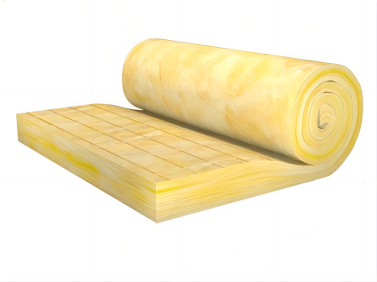
Rock wool, also known as mineral wool or asbestos, is made from natural stone and recycled slag, a byproduct of the steel industry. The raw materials are melted at high temperatures and then spun into fibers. Resins are then used to bond these fibers together, creating a dense mat of fibers.
What is glass wool?
Glass wool, commonly known as fiberglass insulation, is made from recycled glass and sand. Similar to the production of rock wool, the raw materials are melted and spun into fibers. These fibers are also bonded together using resins, creating a light and fluffy material.
Similarities between Rockwool and Glasswool
Insulation
Both rockwool and glasswool are highly effective thermal insulation materials. They trap air in their fiber structure, reducing heat transfer, keeping buildings warmer in winter and cooler in summer.

Sound insulation
Both materials have excellent sound insulation properties. Their fiber structure absorbs sound waves, reducing noise transmission and enhancing acoustic comfort within the building.

Fire resistance
Both rockwool and glasswool have good fire resistance. They are non-combustible materials that can withstand high temperatures, making them suitable for use in areas that require fire protection.

Ease of installation
Both types of thermal insulation materials are relatively easy to install. They can be cut into various shapes and sizes, so they can be flexibly used in different applications such as walls, roofs, and floors.
Differences between Rockwool and Glasswool
| Glasswool | Rockwool | |
| Material composition | Made from recycled glass and sand. | Made from natural stone and recycled slag. |
| Density and weight | Lighter, less dense, easier to handle and install, especially in ceiling cavities and attic spaces. | Generally denser and heavier than glasswool. This higher density gives it excellent sound absorption and thermal insulation properties. |
| Moisture resistance | It absorbs moisture more easily. When wet, its insulating properties will decrease and may need to be replaced. |
Compared with glasswool, rockwool is more resistant to moisture and water damage. Rockwool does not absorb water and can maintain its insulating properties even in humid environments. |
| Effects on the environment | Made primarily from recycled glass, which reduces waste and the environmental impact of production. It generally has a lower carbon footprint, making it a more environmentally friendly choice. | Made from abundant natural materials and industrial byproducts. However, its production process can be very energy-intensive, resulting in a higher carbon footprint compared to glass wool. |
Advantages of Glass Wool
- Cost-effectiveness: Glass wool is generally cheaper than rock wool, making it a cost-effective insulation solution. It provides good thermal and acoustic insulation at a lower price.
- Lightweight and easy to install: Glass wool is lightweight, making it easy to handle and install. It is particularly suitable for DIY projects and for use in ceiling cavities and loft spaces, where ease of installation is crucial.
- Recycled material: Glass wool is made from a high percentage of recycled glass, making it an environmentally friendly choice. Its production helps reduce waste and supports recycling efforts.
- Versatility: Glass wool comes in a variety of forms, including batts, rolls, and loose fill, giving it flexibility for different applications. It can be used in walls, roofs, floors, and around pipes.
Choosing between Rock Wool and Glass Wool
The choice between rock wool and glass wool depends on the specific requirements of the project. Here are some factors to consider:
- Fire safety: If fire protection is the main concern, rock wool is a better choice due to its excellent fire resistance.
- Sound insulation: To enhance sound insulation, rock wool has a higher density, so it is more effective in reducing noise transmission.
- Moisture-prone areas: In areas exposed to moisture, rock wool's water-resistant properties make it a more suitable choice.
- Budget: If cost is an important factor, glass wool can provide good insulation at a lower price.
- Environmental impact: For those who prioritize environmental sustainability, glass wool's high recycled content and lower carbon footprint make it an attractive option.
The word "synthetic" generally refers to materials that are artificially created using chemical processes, rather than materials that occur naturally. By this definition, glass wool can be considered a synthetic material. Here's why:
- Processed Materials: While glass wool is made from natural raw materials such as sand and recycled glass, the production process involves extensive chemical and thermal processing to transform these materials into fine fibers. This transformation is a hallmark of a synthetic material.
- Binders: The use of synthetic resins as binders further classifies glass wool as a synthetic product. These resins are essential for binding the fibers together and giving the material structure.
- Factory-made: Glass wool is produced in an industrial setting using specialized equipment and controlled processes, which distinguishes it from natural materials that are harvested or mined.
5.How long does glasswool last?
When it comes to insulation, glass wool stands out for its outstanding performance and durability. But one question homeowners and builders often ask is: How long does glass wool last? Understanding the lifespan of glass wool is essential to making a smart insulation investment decision.
Glass Wool Lifespan
Glass wool insulation, also known as fiberglass insulation, is known for its long-lasting and durable properties. Under normal conditions and when installed correctly, glass wool can last 50 years or more. This long lifespan makes it a top choice for many residential and commercial buildings.
Why Glass Wool Lasts
Several factors influence the lifespan of glass wool insulation
Material composition
Glass wool is made from recycled glass and sand, which are inherently durable materials. The fibers are bonded together with resins to form a stable and resilient structure.
01
Moisture resistance
Glass wool has excellent moisture resistance. While it is not completely waterproof, it does not absorb water like some other insulation materials. This moisture resistance helps prevent mold growth and maintain the integrity of the insulation.
02
Non-flammable
Glass wool is non-flammable, which means it will not burn or contribute to the spread of fire. This safety feature also helps protect its structure in the event of a fire.
03
Pest resistance
Unlike some organic insulation materials, glass wool is not a food source for pests, reducing the risk of damage from insects or rodents.
04
Stable R-value
R-value is a measure of the thermal resistance of insulation materials, and the R-value of glass wool remains stable over time. This ensures that the thermal performance of glass wool remains consistent throughout its service life.
05
How to Care for Glass Wool Insulation
To maximize the life and effectiveness of glass wool insulation, proper maintenance is essential. Here are some tips to help you keep your glass wool insulation in top condition:
- Regular Inspections: Regularly inspect the insulation for signs of damage, such as water seepage, mold, or physical wear and tear. Catching these issues early can prevent more extensive damage and extend the life of the insulation.
- Moisture Barriers: Make sure the roof and walls of your building are well sealed to prevent leaks. Moisture is one of the main factors that affect the life of glass wool insulation. Using a vapor barrier can also help prevent moisture intrusion.
- Avoid Physical Damage: Be careful not to compress or damage the insulation during renovations or repairs. Compressed insulation loses its effectiveness, so always handle it with care and avoid placing heavy objects on it.
- Pest Control: Although glass wool is resistant to pests, it is still a good idea to take pest control measures to prevent rodents and insects from nesting in or around the insulation.

Reusability of Glass Wool
Glass wool, also known as fiberglass insulation, can indeed be reused. Its reusability makes it a great choice for environmentally conscious builders and homeowners who want to reduce waste and minimize their ecological footprint. Here are some key points about the reusability of glass wool:
- Durability: Glass wool is extremely durable and can maintain its insulating properties for decades. This durability means that it can often be removed and reused in new construction or renovation projects.
- Easy to Dispose: Unlike some other insulation materials that degrade over time, glass wool retains its structure and effectiveness, making it easy to dispose of and reinstall.
- Environmental Benefits: Reusing glass wool reduces the need for new raw materials and reduces the amount of waste sent to landfills. This contributes to more sustainable building practices and helps conserve natural resources.
How to Reuse Glass Wool
In order to maximize the benefits of reusing glass wool, it is important to follow the correct removal, storage, and reinstallation procedures. Here are some tips on how to effectively reuse glass wool:
- Remove with Care: When removing glass wool from an existing structure, handle it with care to avoid damaging the fibers. Wear protective gear, such as gloves and a mask, to prevent the tiny glass fibers from irritating your skin.
- Inspection: Before reusing glass wool, inspect it for any signs of damage, contamination, or mold. Only reuse glass wool that is in good condition to ensure it continues to provide effective insulation.
- Proper Storage: Store removed glass wool in a dry, clean environment to prevent it from becoming contaminated or damaged. Protect it from moisture and pests using airtight containers or heavy-duty plastic bags.
- Reinstallation: When reinstalling reused glass wool, ensure it is properly installed and sealed to prevent air leaks. Proper installation is essential to maintaining its insulating properties and achieving energy efficiency.


Recycling Glass Wool
If reusing glass wool is not an option, recycling is a viable alternative. Many manufacturers offer recycling programs for used glass wool. Here are ways to recycle glass wool:
- Contact the Manufacturer: Contact the manufacturer of glass wool insulation to ask about their recycling program. Many companies have established processes for recycling used insulation.
- Local Recycling Centers: Some local recycling centers accept glass wool for recycling. Check with your local waste management agency to see if they accept fiberglass insulation.
- Professional Recycling Companies: There are companies that specialize in recycling building materials, including glass wool. These companies can process the material and ensure it is properly recycled.
Benefits of Reusing and Recycling Glass Wool
- Environmental Impact: Reusing and recycling glass wool significantly reduces the environmental impact associated with producing and disposing of insulation materials. It conserves resources, reduces greenhouse gas emissions, and minimizes landfill waste.
- Cost Savings: Reusing existing glass wool can save money on purchasing new insulation. Additionally, recycling programs are often more cost-effective than disposal, reducing overall project costs.
- Sustainability: By choosing to reuse and recycle glass wool, builders and homeowners contribute to more sustainable building practices. This aligns with the growing emphasis on green building and environmental responsibility.

Safety Concerns
The main safety concerns associated with glass wool are related to the tiny glass fibers that can become airborne during installation or removal. The main concerns are as follows:
- Skin irritation: Direct contact with glass wool can cause skin irritation. The tiny glass fibers can embed into the skin, causing itching, redness, and discomfort.
- Respiratory Concerns: Breathing in airborne glass fibers can irritate the respiratory tract. This can lead to coughing, sore throats, and in some cases, respiratory problems such as bronchitis.
- Eye irritation: Glass wool fibers can also cause irritation if they come into contact with the eyes, causing redness, itching, and discomfort.
- Long-term Health Concerns: Despite concerns that glass wool may have long-term health effects, such as causing cancer, numerous studies and regulatory reviews have found that modern glass wool products do not pose significant health risks when used properly. The International Agency for Research on Cancer (IARC) classifies glass wool as not classifiable as carcinogenic to humans.
Safe Handling Practices
To mitigate the potential risks associated with glass wool, proper handling and installation practices must be followed. Here are some tips to ensure safe use:
- Protective clothing: When handling glass wool, wear long-sleeved shirts, pants, gloves, and a dust mask to protect your skin and respiratory system from irritation. Also wear protective glasses to protect your eyes from airborne fibers.
- Ventilation: Make sure the work area is well ventilated to disperse airborne fibers. Using a fan or working in a well-ventilated space can help minimize the risk of inhalation.
- Gentle handling: Handle glass wool gently to reduce the release of fibers into the air. Avoid excessive cutting, tearing, or compressing the material.
- Proper storage: Store glass wool in its original packaging until ready to use to prevent fibers from falling out. Keep the storage area clean and dry.
- Cleanup: After handling glass wool, wash your hands and exposed skin thoroughly with soap and water. Clean the work area with a damp cloth or a vacuum cleaner equipped with a HEPA filter to remove any residual fibers.
Myths and realities
Carcinogenicity issues
There is a misconception that glass wool is a carcinogen. However, numerous studies conducted by health organizations, including the International Agency for Research on Cancer (IARC), have concluded that there is no consistent evidence that human exposure to glass wool causes cancer when used and handled according to safety guidelines.
Fire Safety
Contrary to concerns, glass wool is not flammable. It does not contribute to the spread of fire and is often used as a fire-resistant insulation material in buildings.

Benefits of Glass Wool
- Energy Efficiency: Glass wool insulation reduces heat loss in the winter and heat gain in the summer, which can reduce heating and cooling costs and significantly improve energy efficiency.
- Sound Absorption: Effectively reduces noise transmission between rooms and from external sources, improving acoustic comfort within buildings.
- Durability: Glass wool insulation is durable and can last for decades when properly installed and maintained, making it an affordable option for long-term insulation needs.